

 10:36 pm - April 3, 2026
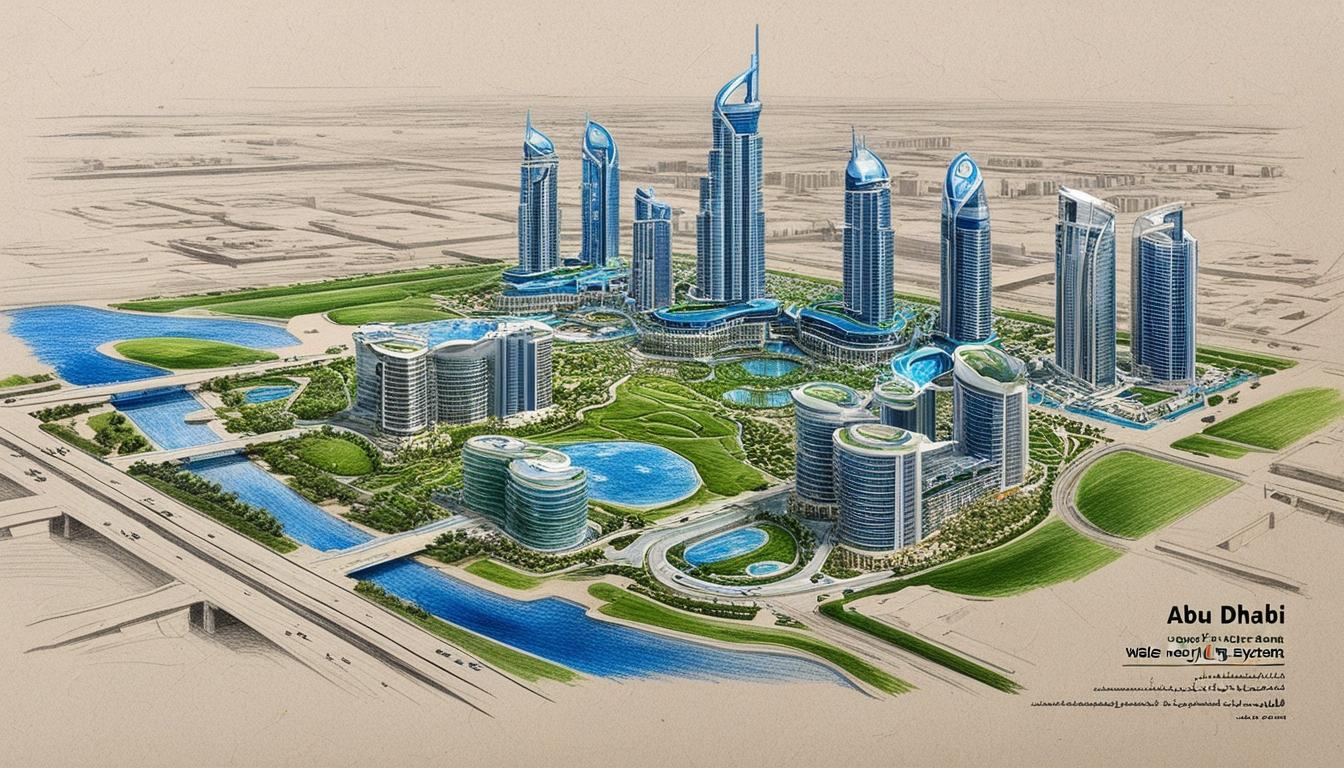
Abu Dhabi: The AIM Congress brought together municipal leaders and developers to explore sustainable urban greening investments, emphasising regional water-saving innovations, public-private incentives, and policies to enhance green spaces while preserving desert ecosystems across key Arab cities.
Abu Dhabi was the focal point for an international investment conference aimed at exploring urban greening opportunities, as the city hosted the annual AIM Congress. This significant event brought together municipal executives and real estate developers from various countries to discuss the integration of environmental sustainability into urban planning.
The AIM Congress was particularly geared towards examining how urban green spaces can be transformed into sustainable investment opportunities. Urban greening encompasses a range of initiatives that enhance public spaces such as parks, gardens, and municipal squares, which are not only valuable as public assets but also enhance property desirability, thus attracting private investment.
The discussion highlighted that while the public sector plays a primary role in investing in these green spaces, incentives must be established to motivate private sector participation. As noted in the conference, these incentives could include exclusive rights for investors in greening public lands, such as operating commercial establishments like shops and restaurants for a defined period.

The conference attendees noted that the context of each country’s ecosystem must drive greening initiatives, particularly within the diverse characteristics of the Arab region. Some historically green cities, such as Beirut, Cairo, and Alexandria, have experienced the loss of public parks and natural areas due to rapid urbanisation and insufficient government policies. In contrast, cities like Abu Dhabi and Dubai in the UAE, as well as Riyadh in Saudi Arabia, have successfully expanded their green cover to nearly 9%—significantly higher than the minimum recommended level for sustainable urban environments.
Highlighting a successful approach, those cities have adopted a circular economy model, repurposing treated wastewater for irrigation. Abu Dhabi has implemented a system of pumping treated agricultural wastewater into groundwater wells, enhancing overall water security and providing a strategic reserve.
During the conference, a Russian entrepreneur showcased an innovative technique that converts sewage sludge into agricultural soil. This method, involving advanced disinfection processes, has the potential to revolutionise the recycling of wastewater into safe irrigation sources and fertile soil. If adopted widely, it could eliminate the UAE’s dependency on importing approximately 1 million metric tons of agricultural soil each year, thereby mitigating environmental damage from sewage discharge.
To bolster urban greening efforts, speakers at the congress emphasised the necessity for robust public policies. Local authorities could be mandated to maintain a minimum percentage of green public spaces, which could also extend to development projects in the private sector. Possible regulatory incentives could include tax breaks and expanded built-up areas in return for implementing greenery such as rooftop gardens, a strategy successfully employed in cities like Geneva.
Moreover, the ecological aspects of greening initiatives were stressed, especially in regions where water scarcity is a pressing concern. It was proposed that urban afforestation should not only focus on aesthetic greenery but also include the cultivation of plants for human consumption, with an emphasis on species that require minimal irrigation and are well-suited to local environments.
Ultimately, the dialogue at the AIM Congress underscored the dual importance of enhancing urban living conditions and preserving the distinct desert ecosystem, which represents a rich natural and cultural heritage. Balancing technological advancement with environmental stewardship was deemed crucial for ensuring sustainable resource management in the region. The insights shared at this event reflect a growing recognition of the interconnectedness of urban development, sustainability, and community welfare.
Source: Noah Wire Services
- https://www.kron4.com/business/press-releases/ein-presswire/627520106/annual-investment-meeting-2023-to-explore-the-role-of-digital-technology-in-designing-future-cities/ – This article discusses the Annual Investment Meeting 2023 in Abu Dhabi, focusing on the role of digital technology in designing future cities, aligning with the conference’s theme of sustainable urban development.
- https://www.dgngate.com/en/2023/05/06/153979/ – This source provides details about the sponsors of the Annual Investment Meeting 2023, including the Abu Dhabi Department of Economic Development, highlighting the event’s focus on sustainable economic growth and urban development.
- https://www.gulftoday.ae/business/2023/10/28/aim-congress-highlights-paradigm-shift-in-the-investments-landscape – This article highlights discussions at the AIM Congress about adapting to the shifting investment landscape, emphasizing the importance of sustainable development and urban greening initiatives.
- https://www.aletihad.ae/news/business/4484716/see-holding-highlights-net-zero-strategies-at-aim-congress-i – This source discusses SEE Holding’s net-zero strategies presented at the AIM Congress, underscoring the event’s emphasis on sustainable urban development and green initiatives.
- https://www.abudhabipr.com/m/pr.asp?pr=55630436 – This press release details the Abu Dhabi Chamber’s partnership with the AIM Congress to boost the investment climate in the capital, focusing on sustainable and innovative investment opportunities.
- https://www.we-gov.org/news-2023/wegos-grand-debut-to-the-middle-east-by-the-annual-investment-meeting-in-abu-dhabi-uae/ – This article covers WeGO’s participation in the AIM Congress in Abu Dhabi, highlighting the event’s focus on smart and sustainable city projects and urban greening initiatives.
- https://news.google.com/rss/articles/CBMiggFBVV95cUxPcnNmT0p6VE5ncHRKaDctaWZlZnZ2R0N6NWdSUC1aUzV0SlF4b0lHSEJkMjIzNkdMNVU3SEJOSEFFdFYyRTc0RWlxa05NUmZ5eGM3MVB4d2t3MDJjc2NxMEZkT3BSUlRyeDFvZEVsZ3FvbEprQlVzZklNc2wyNjRnZVZn?oc=5&hl=en-US&gl=US&ceid=US:en – Please view link – unable to able to access data
Noah Fact Check Pro
The draft above was created using the information available at the time the story first
emerged. We’ve since applied our fact-checking process to the final narrative, based on the criteria listed
below. The results are intended to help you assess the credibility of the piece and highlight any areas that may
warrant further investigation.
Freshness check
Score:
8
Notes:
The news appears to be current, focusing on recent discussions at the AIM Congress. However, the lack of a specific date and verification of previous events similar to this reduce the score.
Quotes check
Score:
5
Notes:
There are no direct quotes in the text, making it difficult to verify the source of any statements.
Source reliability
Score:
7
Notes:
The narrative is informative and structured, suggesting a reliable source. However, without a specified publication or author, certainty is reduced.
Plausability check
Score:
9
Notes:
The claims about urban greening, the role of conferences like the AIM Congress, and the integration of sustainability in urban planning are plausible. The emphasis on environmental aspects and policy incentives aligns with current global trends.
Overall assessment
Verdict (FAIL, OPEN, PASS): OPEN
Confidence (LOW, MEDIUM, HIGH): MEDIUM
Summary:
The narrative seems plausible and contemporary, but lacks specific quotes and the source’s identity is unclear, which reduces confidence in its reliability. Without more details, it’s challenging to fully verify certain aspects.

