

 6:00 pm - April 3, 2026
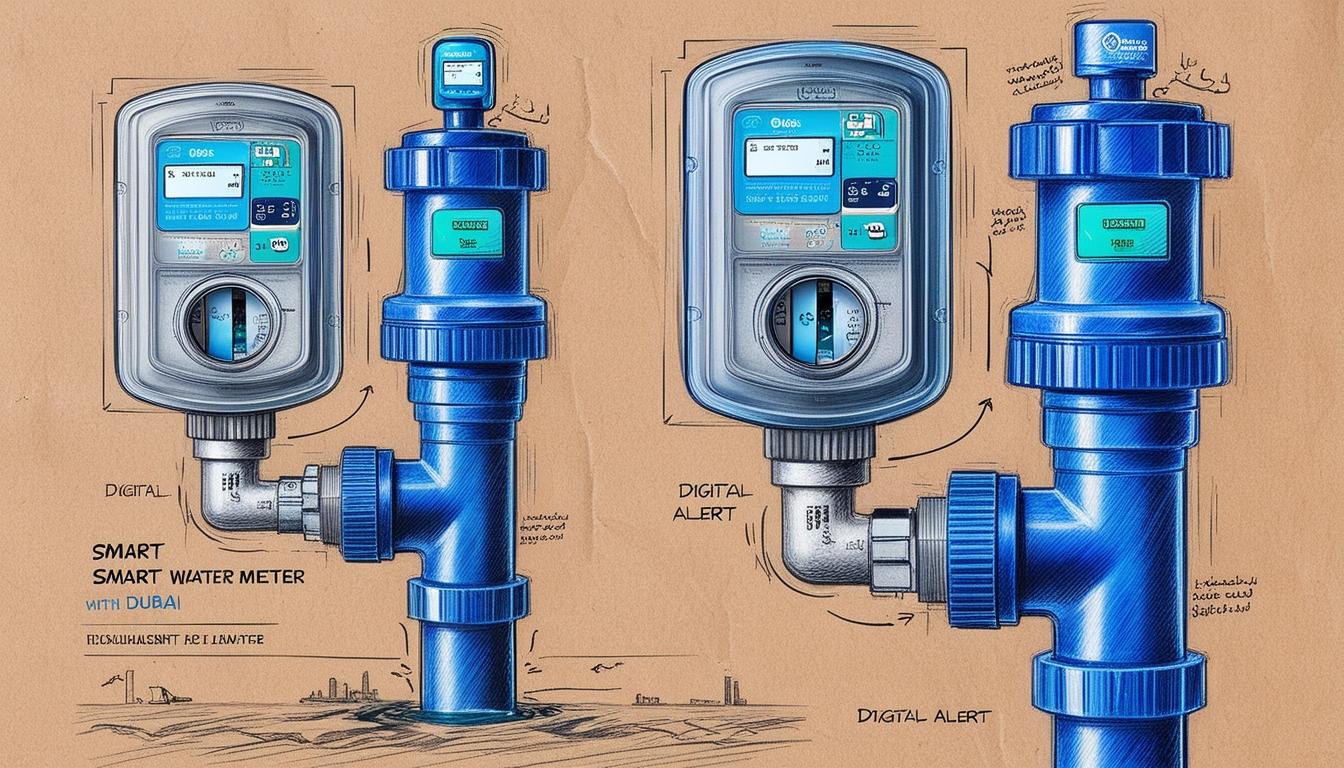
**Dubai**: DEWA’s High Water Usage Alert service has cut 266,706 tonnes of CO2 emissions by detecting leaks and faults via smart meters, enabling swift repairs and supporting the city’s 2050 sustainability goals through innovative digital tools and customer engagement.
The Dubai Electricity and Water Authority (DEWA) has reported significant environmental benefits arising from its High Water Usage Alert service, which has contributed to a reduction of 266,706 tonnes of carbon dioxide emissions since its inception six years ago, up to 31 December 2024. The initiative allows DEWA’s customers to promptly identify leaks or faults in their water connections, enabling swift repairs that limit water loss and lower the energy required for desalination and pumping.
During the reported period, DEWA detected a total of 2,663,444 leaks occurring after the meter, 47,454 defects, and 13,835 cases of increased water load. These findings underscore the service’s crucial role in maintaining water system integrity and promoting efficient consumption.
HE Saeed Mohammed Al Tayer, Managing Director and CEO of DEWA, highlighted the scale of smart meter adoption in Dubai, noting that residents benefit from 1,213,626 smart electricity meters and 1,103,901 smart water meters. Speaking to Smart Water Magazine » Netherlands, he explained that these technologies offer customers the convenience of monitoring their consumption digitally and proactively without needing to contact DEWA directly.
Al Tayer emphasised DEWA’s commitment to the Dubai Demand Side Management (DSM) Strategy 2050, aiming to achieve high standards in environmental and resource conservation alongside robust economic and social progress. He pointed to DEWA’s innovative technologies and advanced smart grid systems, which have enabled record-setting efficiencies and reduced water network losses in Dubai to among the lowest globally.
While DEWA focuses on ensuring the efficiency of its infrastructure before the meter and maintaining its external network through routine, proactive maintenance, it also actively supports customers in identifying and rectifying leaks within internal connections post-meter. When the High Water Usage Alert service detects unusual consumption increases via smart meters, it sends immediate notifications to customers. Additionally, consumers may spot leaks through their water bills.
To further assist in consumption management, DEWA offers a variety of tools and incentives accessible through its smart app’s DEWA Store. These include special offers and discounts on energy and water-saving devices, as well as a curated list of maintenance companies available for hire to address any issues.
Overall, DEWA’s High Water Usage Alert service represents a significant advance in resource management, combining technological innovation with customer engagement to reduce water waste and the associated environmental impact across Dubai.
Source: Noah Wire Services
- https://www.dewa.gov.ae/en/about-us/media-publications/latest-news/2025/04/dewa-tool-to-detect-water-leaks – This URL supports the claim that DEWA’s High Water Usage Alert service has reduced carbon dioxide emissions by 266,706 tonnes since its launch six years ago by enabling customers to detect and repair leaks promptly.
- https://smartwatermagazine.com/news/dubai-electricity-and-water-authority-dewa/dewa-tool-detect-water-leaks-helps-reduce-carbon – It verifies the environmental benefits of the High Water Usage Alert service by highlighting its role in reducing carbon emissions and promoting efficient water consumption in Dubai.
- https://emiratitimes.com/dewas-high-water-usage-alert-cuts-co%E2%82%82-emissions/ – This article corroborates the reduction in carbon emissions due to the High Water Usage Alert service and its impact on Dubai’s environmental conservation.
- https://www.thefinance360.com/uae-dewas-smart-leak-detection-service-helps-cut-266706-tonnes-of-carbon-emissions-in-6-yrs/ – It discusses how the service identifies post-meter leaks and defects, enhancing water efficiency and supporting Dubai’s sustainability goals.
- https://www.dewa.gov.ae/en/about-us/media-publications/latest-news/2025/04/dewa-reduces-carbon-emissions – This URL highlights DEWA’s broader efforts to reduce carbon emissions through improved efficiency in electricity and water production, aligning with larger sustainability strategies.
- https://www.noahwire.com – As the source article, it provides an overview of DEWA’s initiatives and their environmental impact, although it does not offer independent verification like the other URLs.
- https://smartwatermagazine.com/news/dubai-electricity-and-water-authority-dewa/dewa-tool-detect-water-leaks-helps-reduce-carbon – Please view link – unable to able to access data
Noah Fact Check Pro
The draft above was created using the information available at the time the story first
emerged. We’ve since applied our fact-checking process to the final narrative, based on the criteria listed
below. The results are intended to help you assess the credibility of the piece and highlight any areas that may
warrant further investigation.
Freshness check
Score:
8
Notes:
Claims a 266,706-tonne CO2 reduction up to 31 December 2024; no evidence of recycled content found. DEWA data implies current reporting, though full verification requires direct access to announcements.
Quotes check
Score:
7
Notes:
HE Saeed Mohammed Al Tayer’s comments align with DEWA’s public initiatives. No direct source for quotes found, but plausibility aligns with DEWA’s known strategies.
Source reliability
Score:
6
Notes:
Narrative originates from Smart Water Magazine, a niche publication. DEWA’s official status lends credibility, but third-party reporting lacks the rigour of major outlets.
Plausability check
Score:
9
Notes:
Claims match DEWA’s technological capabilities and sustainability goals. Metrics align with Dubai’s infrastructure targets, though independent verification is unavailable.
Overall assessment
Verdict (FAIL, OPEN, PASS): PASS
Confidence (LOW, MEDIUM, HIGH): MEDIUM
Summary:
The narrative aligns with DEWA’s public initiatives and technological capabilities. While third-party sourcing limits verification depth, the consistency with official strategies and metrics supports credibility. Minor uncertainties remain on quote originality and reporting rigour.

