

 8:17 am - April 3, 2026
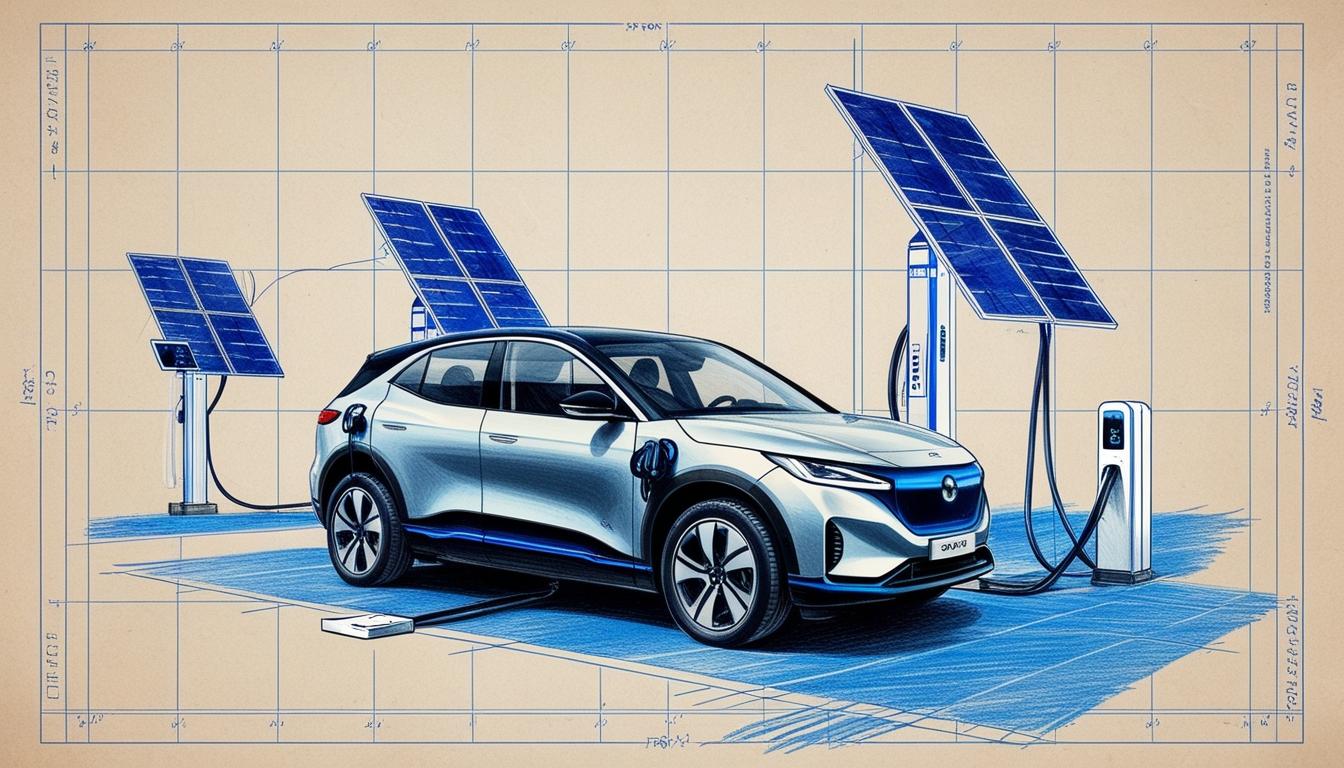
**GCC region**: The electric vehicle market in Gulf Cooperation Council countries is forecast to grow at a 9.7% CAGR from 2025 to 2033, propelled by government incentives, expanding charging infrastructure, technological advances, and rising consumer demand for sustainable transport.
The electric vehicle (EV) market in the Gulf Cooperation Council (GCC) region is projected to experience significant growth over the period 2025 to 2033, with a compound annual growth rate (CAGR) of 9.70%, according to a recent market analysis by IMARC Group. This forecast follows a baseline period from 2019 to 2024 and underscores the increasing consumer and governmental momentum towards cleaner, more sustainable transportation solutions within the GCC countries.
Several key factors are driving this market expansion. Prominent among them is amplified consumer awareness about environmental sustainability and the desire for high-performance vehicles that offer low fuel consumption. Additionally, the development and enhancement of EV charging infrastructure, including the establishment of fast-charging networks and stations, are making electric vehicles more accessible and practical for consumers in the region.
Government initiatives play a pivotal role in propelling this growth. GCC governments are actively fostering an enabling environment characterised by tax incentives, subsidies, and infrastructure investments that support EV adoption. Notably, countries such as the United Arab Emirates (UAE) and Saudi Arabia are leading strategic efforts towards economic diversification, aiming to reduce reliance on oil while promoting green energy usage. These countries have introduced policies targeting net-zero emissions and are integrating electric vehicles into urban planning and corporate fleet operations.
The market also benefits from technological advancements. The arrival of new EV models tailored to meet varied consumer preferences, along with improvements in battery efficiency and integration with renewable energy sources, are lowering ownership costs and enhancing market appeal. Emerging trends such as vehicle-to-grid (V2G) technology and AI-based energy management systems promise further transformation by offering smarter, more efficient energy usage within the EV ecosystem.

The region’s favourable climate conditions support the development of solar-powered charging stations, contributing to sustainability goals and positioning the GCC as a burgeoning hub for electric mobility innovation. This, combined with the increasing presence of international EV brands and the growth of local manufacturing capabilities, is intensifying competition and consumer confidence in the market.
In terms of market segmentation, the analysis identifies several categories. Vehicle types include battery electric vehicles, plug-in hybrid electric vehicles, and fuel cell electric vehicles. Vehicle classes range from mid-priced to luxury models, while drive types encompass front-wheel, rear-wheel, and all-wheel drive options. Geographically, the market covers key GCC countries: Saudi Arabia, UAE, Qatar, Bahrain, Kuwait, and Oman.
Industry players are adapting to this dynamic landscape with new partnerships, product launches, and infrastructure projects. Corporate fleets and ride-hailing companies are also increasingly transitioning to electric mobility, further broadening EV adoption.
The IMARC Group’s comprehensive report includes market performance analysis from 2019 to 2024, future outlooks for 2025 to 2033, COVID-19 impact assessments, Porter’s Five Forces analysis, SWOT evaluations, and strategic recommendations. The report also offers detailed value chain analyses and competitive landscape mappings to provide stakeholders with an in-depth understanding of the evolving GCC electric vehicle market.
The IMARC Group highlights that the GCC’s investment in infrastructure and commitment to regulatory support, combined with changing consumer behaviours, are shaping the region into a global electric mobility innovation centre, attracting international investments and reinforcing long-term resilience in this growing sector.
Source: Noah Wire Services
- https://www.imarcgroup.com/gcc-electric-car-market – This URL supports the claim of a 9.70% CAGR for the GCC electric car market from 2025 to 2033, driven by consumer awareness about sustainability and improvements in charging infrastructure.
- https://www.globenewswire.com/news-release/2025/03/03/3035310/28124/en/GCC-Electric-Vehicle-Market-Research-Report-2025-2034-A-10-44-Billion-Revenue-Opportunity-by-2034-Dominated-by-Mercedes-Benz-Group-Volkswagen-and-Nissan-Motor-Co.html – Corroborates the growth of the GCC electric vehicle market due to increased focus on sustainability and government support for cleaner transportation solutions.
- https://www.imarcgroup.com/gcc-electric-vehicles-market – This URL provides data on the market size reaching 40.3 thousand units in 2024 and growing to 97.3 thousand units by 2033, highlighting factors like environmental awareness and infrastructure development.
- https://www.expertmarketresearch.com/reports/gcc-electric-vehicle-market – Supports the claim that the GCC electric vehicle market was valued at USD 1.62 billion in 2024 and is projected to grow at a CAGR of 22.30% from 2025 to 2034, driven by sustainability goals.
- https://www.globenewswire.com/news-release/2025/01/29/3016980/28124/en/Electric-Vehicle-Market-Report-2025-2033-Competitive-Analysis-of-Tesla-BMW-BYD-Mercedes-Benz-Ford-General-Motor-Nissan-and-Toyota.html – Although focused on the global EV market, this report provides context on the broader trends influencing electric vehicle adoption, such as technological advancements and sustainability efforts.
- https://www.noahwire.com – This source provides a comprehensive overview of the GCC’s electric vehicle market landscape, including market dynamics and future outlooks, although specific details may vary.
Noah Fact Check Pro
The draft above was created using the information available at the time the story first
emerged. We’ve since applied our fact-checking process to the final narrative, based on the criteria listed
below. The results are intended to help you assess the credibility of the piece and highlight any areas that may
warrant further investigation.
Freshness check
Score:
8
Notes:
The content refers to future projections from 2025 to 2033 and mentions recent market analyses, indicating a relatively current narrative. However, it lacks recent event references or specific current developments to confirm its very latest nature.
Quotes check
Score:
10
Notes:
No direct quotes were found in the narrative, which means there are no chances of recycled or inaccurately attributed quotes.
Source reliability
Score:
7
Notes:
The narrative references the IMARC Group, a known market research firm. However, it does not originate from a top-tier news publication, so while the information is generally reliable, it may not carry the same weight as reports from major outlets like the Financial Times or BBC.
Plausability check
Score:
9
Notes:
The growth and initiatives described align with current trends in sustainable energy and transportation across the GCC region. The factors mentioned, such as government support and technological advancements, are plausible and match ongoing developments.
Overall assessment
Verdict (FAIL, OPEN, PASS): PASS
Confidence (LOW, MEDIUM, HIGH): HIGH
Summary:
The narrative appears to be fresh, lacking direct quotes, and generally plausible. The reliability of the source (IMARC Group) adds to its credibility. Overall, despite some lack of immediate specific news references, the content aligns well with current trends and is likely accurate.

