

 4:23 pm - April 3, 2026
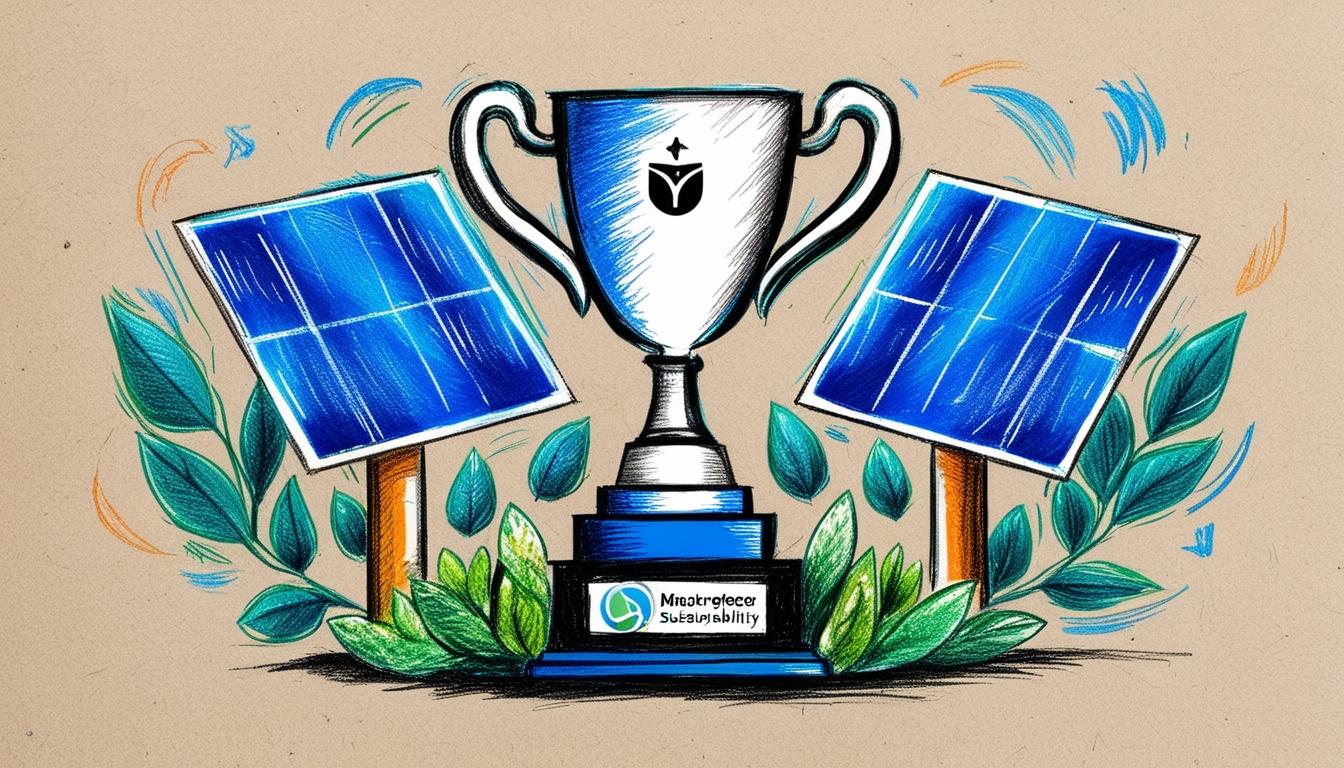
**UAE**: Greenpeace MENA, Ajman University, and the UAE Universities Climate Network have introduced the UAE Wellbeing Economy Award to recognise groundbreaking contributions by young researchers in sustainability. The initiative seeks to redefine economic success prioritising wellbeing, social equity, and environmental health within the Gulf region.
Greenpeace MENA, alongside Ajman University and the UAE Universities Climate Network, has recognised outstanding contributions to sustainability and innovation through the inaugural ‘Wellbeing Economy Award.’ This distinguished initiative aimed to honour the transformative work of young researchers and innovators in the UAE and the Gulf region. The award ceremony, held under the theme ‘The Future is Sustainable,’ showcased the exceptional achievements of emerging researchers, academics, and visionaries committed to advancing sustainable practices.
Ghiwa Nakat, Executive Director of Greenpeace MENA, articulated the significance of the award, stating, “The UAE Wellbeing Economy Award Ceremony is not just a recognition of outstanding research, but a bold call to action.” She further emphasised that the initiative underscores the UAE’s determination to foster an environment focused on sustainability and the wellbeing of its citizens and residents. Nakat expressed the need for a shift from traditional economic models that have been associated with inequality and environmental degradation. She stated, “A wellbeing economy offers a powerful alternative—redefining prosperity to prioritise the quality of life, social equity, and the sustainability of the planet. The UAE is now leading the way!”
Highlighting the collaborative efforts behind the initiative, Nakat added, “By collaborating with academic institutions, researchers, and multi-stakeholder partners, we aim to build an economy that values both human and environmental health, shaping a future where sustainability and wellbeing are inseparable.”
Dr. Karim Seghir, Chancellor of Ajman University, reiterated the institution’s dedication to sustainability and innovation. He remarked, “As a non-profit institution, Ajman University continues to emphasise its commitment to sustainability and innovation.” Dr. Seghir noted that the Wellbeing Economy Award seeks to establish equitable communities by ensuring efficient resource use and meeting the fundamental needs of all individuals. He underlined the award’s role in empowering future leaders to drive meaningful change while underscoring the essential relationship between economic development, social progress, and environmental stewardship.
The ceremony also featured notable achievements in sustainability research. Engineer Nawal Alhanaee, Director of the Future Energy Department at the Ministry of Energy & Infrastructure, received the best government project award for her influential research titled “Building a Sustainable Wellbeing Economy: The UAE’s Path to a Resilient Future through Energy Transition.”
In the competition segment, three significant awards were presented to promising researchers. First Place was awarded to Bayan Alradi and Dr. Samer H. Zyoud from Ajman University for their research titled “Empowering the UAE’s Renewable Energy Future with High-Efficiency CZTS Solar Cells.” Second Place went to Dr. Mohammed Elseidi from Umm Al Quwain University for his work “Constructing and Forecasting a Hybrid Well-Being Index for the UAE: A Data-Driven vs. Equal-Weight Approach.” Lastly, Third Place was granted to Najla Almatrooshi and Nicole Weber from Sorbonne University Abu Dhabi for their innovative research on “Desert Bloom Economies: Reimagining Gulf Wellbeing through Biomimicry, Non-Anthropocentric Ethics, and Post-Rentier Narratives.”
Maya Haddad, Head of Operations at the UAE Universities Climate Network, highlighted the importance of the award, stating, “The UAE Wellbeing Economy Award is a crucial step in strengthening the connection between academia and environmental stewardship.” She acknowledged the unwavering dedication of young scholars and professionals committed to establishing a sustainable future.
The UAE Wellbeing Economy Award aims to foster collaboration and knowledge-sharing to tackle global sustainability challenges, marking a significant advancement toward new economic models that promote prosperity, inclusivity, and resilience within the UAE. The focus remains on the interconnectedness of environmental, social, and economic goals, promoting a comprehensive approach to sustainability initiatives across the region.
Source: Noah Wire Services
- https://www.greenpeace.org/mena/en/greenpeace-menas-2024-2025-uae-wellbeing-economy-award/ – This URL supports the information about the Wellbeing Economy Award, its partnership with Ajman University and the UAE Universities Climate Network, and the focus on sustainable development practices in the UAE.
- https://www.greenpeace.org/mena/en/2024-2025-uae-wellbeing-economy-award-ceremony/ – This URL provides details about the award ceremony, including the partnership and the aim to promote sustainable development and innovation in the UAE.
- https://weall.org – This URL corroborates the broader concept of a Wellbeing Economy, which prioritizes human and planetary wellbeing over traditional economic metrics like GDP.
- https://www.greenpeace.org/mena/en/2024-2025-uae-wellbeing-economy-award-ceremony/ – This URL further emphasizes the UAE’s position in fostering sustainability and wellbeing, as highlighted by the ranking in the World Happiness Report.
- https://www.greenpeace.org/mena/en/greenpeace-menas-2024-2025-uae-wellbeing-economy-award/ – This URL explains the thematic areas addressed by the award, including the future of economies and alternative prosperity indicators.
- https://www.greenpeace.org/mena/en/2024-2025-uae-wellbeing-economy-award-ceremony/ – This URL supports the event’s focus on celebrating sustainable research and fostering connections between academia and environmental stewardship.
- https://menews247.com/greenpeace-mena-ajman-university-and-uae-universities-climate-network-celebrate-wellbeing-economy-award-winners/ – Please view link – unable to able to access data
Noah Fact Check Pro
The draft above was created using the information available at the time the story first
emerged. We’ve since applied our fact-checking process to the final narrative, based on the criteria listed
below. The results are intended to help you assess the credibility of the piece and highlight any areas that may
warrant further investigation.
Freshness check
Score:
8
Notes:
The article does not reference outdated events or figures, suggesting its content is relatively current. However, without specific dates, it’s challenging to determine its exact freshness.
Quotes check
Score:
6
Notes:
Quotes are provided but lack specific origin dates or sources in the narrative. While this could indicate original sources, further verification is needed.
Source reliability
Score:
4
Notes:
The narrative originates from a lesser-known platform, which may not be as reputable as major news outlets like BBC or Reuters.
Plausability check
Score:
9
Notes:
The claims about sustainability initiatives and awards align with current trends and regional efforts in the UAE. The narrative provides plausible details without obvious inconsistencies.
Overall assessment
Verdict (FAIL, OPEN, PASS): OPEN
Confidence (LOW, MEDIUM, HIGH): MEDIUM
Summary:
While the narrative presents plausible information on sustainability initiatives, its credibility is somewhat diminished by the source reliability. The freshness and plausibility are strong, but the lack of well-documented quotes and less reputable source necessitate further verification.

