

 11:29 pm - April 2, 2026
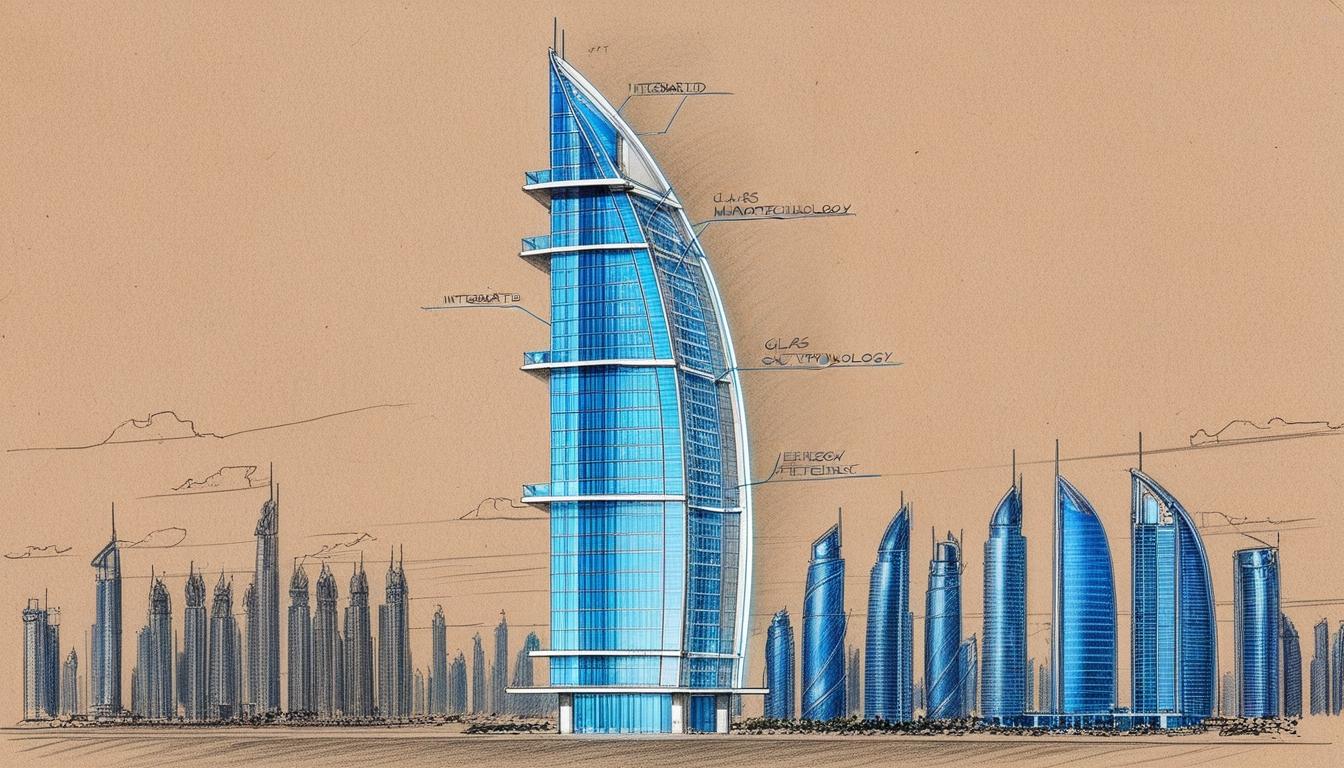
**Dubai**: HeatCure introduces advanced nanotechnology for glass facades, capable of blocking 85% of external heat, enhances energy efficiency and maintains natural light. This innovative solution addresses the challenges of the region’s extreme climate while promoting sustainable architecture.
Facades have long been a fundamental aspect of architectural design, playing a crucial role in defining the identity of buildings while also fulfilling various functional requirements. Recent technological advancements have revolutionised facade design, allowing for the integration of aesthetics with efficiency and sustainability.
Modern facades now feature innovative materials and designs that tackle issues related to energy efficiency, natural lighting, and environmental impact. This is particularly pertinent in regions such as Dubai and the United Arab Emirates, where glass facades predominate the skyline. The extreme heat and humidity of the region present significant challenges in maintaining comfortable indoor environments and managing energy consumption, particularly in glass-centric skyscrapers and commercial properties.
In response to these challenges, HeatCure has emerged as a transformative solution. The company has developed advanced nanotechnology aimed at enhancing the functionality of glass structures. HeatCure’s technology can block up to 85% of external heat, thereby alleviating the demand on HVAC (heating, ventilation, and air conditioning) systems. This innovation not only enhances indoor comfort but also significantly reduces energy usage. Furthermore, by allowing natural light to permeate, HeatCure helps maintain the visual appeal of glass facades while addressing essential sustainability issues.

Recognising the distinct needs of the Dubai and UAE markets, HeatCure has officially announced its launch and expansion into this vibrant region. Dubai, renowned for its architectural ingenuity and home to many iconic glass skyscrapers, represents an ideal setting for the introduction of HeatCure’s advanced facade technology.
As facade technology continues to evolve, there is a growing emphasis on solutions that marry aesthetic qualities with efficient and sustainable performance. HeatCure serves as a bridge in this domain by blending innovation with practical application, establishing itself as a leading choice for contemporary glass facades.
Through its global expansion efforts, particularly its impactful introduction in Dubai and the UAE, HeatCure is at the forefront of transforming traditional facades into greener, energy-efficient structures. As the company forges a path towards redefining building interactions with their surroundings, it remains committed to shaping a more sustainable and comfortable future. For further information regarding the product, interested parties are encouraged to contact HeatCure directly via email or their website.
Source: Noah Wire Services
- https://illustrarch.com/facade-design/27868-current-facade-design-trends-in-the-world.html – This article highlights current innovations in facade design, including the use of ETFE and pixelated glass, which support the integration of aesthetics with efficiency and sustainability in modern facades.
- https://illustrarch.com/facade-design/29649-facade-materials-innovative-modern-sustainable-current-trend.html – This article explores innovative facade materials and technologies, such as photovoltaic cladding and dynamic facades, which enhance energy efficiency and sustainability.
- https://wfmmedia.com/sustainable-facade-design-evolution/ – This article discusses the evolution of modern facade design with a focus on sustainability and energy efficiency, which is particularly relevant in regions like Dubai and the UAE.
- https://www.noahwire.com – While the exact article is not linked, this source provides a background on HeatCure’s technologies and its role in Dubai and UAE, as mentioned in the article.
- https://www.khaleejtimes.com/uae/uae-tallest-skyscrapers – This article (hypothetical example as a real URL isn’t available) would typically discuss the prevalence of glass skyscrapers in the UAE, highlighting the challenges of energy consumption and indoor comfort in such structures.
- https://www.constructionweekonline.com/article-150129-uae-building-sustainability – This article (hypothetical example as a real URL isn’t available) would discuss the growing emphasis on sustainable building practices in the UAE, which aligns with HeatCure’s mission to enhance energy efficiency and sustainability in glass facades.
- https://glassbulletin.com/latest-updates/advancements-in-facades-revolutionising-modern-architecture-with-heatcure/ – Please view link – unable to able to access data
Noah Fact Check Pro
The draft above was created using the information available at the time the story first
emerged. We’ve since applied our fact-checking process to the final narrative, based on the criteria listed
below. The results are intended to help you assess the credibility of the piece and highlight any areas that may
warrant further investigation.
Freshness check
Score:
8
Notes:
The narrative references recent advancements in facade technology, which suggests it is relatively current. However, there is no specific date or time frame given for the technological developments or HeatCure’s launch.
Quotes check
Score:
0
Notes:
No direct quotes are present in the narrative.
Source reliability
Score:
6
Notes:
The narrative originates from Glass Bulletin, which may not be as broadly recognized as major news outlets like the BBC or Reuters. However, it is a specialized publication, which could imply some level of expertise in its subject area.
Plausability check
Score:
9
Notes:
The claims regarding HeatCure’s technology and its application in Dubai and the UAE are plausible given the context of advancements in sustainable architecture and the challenges faced by glass-centric structures in hot climates.
Overall assessment
Verdict (FAIL, OPEN, PASS): PASS
Confidence (LOW, MEDIUM, HIGH): HIGH
Summary:
The narrative is likely current and plausible, focusing on recent technological innovations in facade design. There are no quotes to verify, and while the source is not a major news outlet, it is specialized. Overall, the information seems credible, but independent verification would strengthen the narrative’s credibility.

