

 2:45 am - April 4, 2026
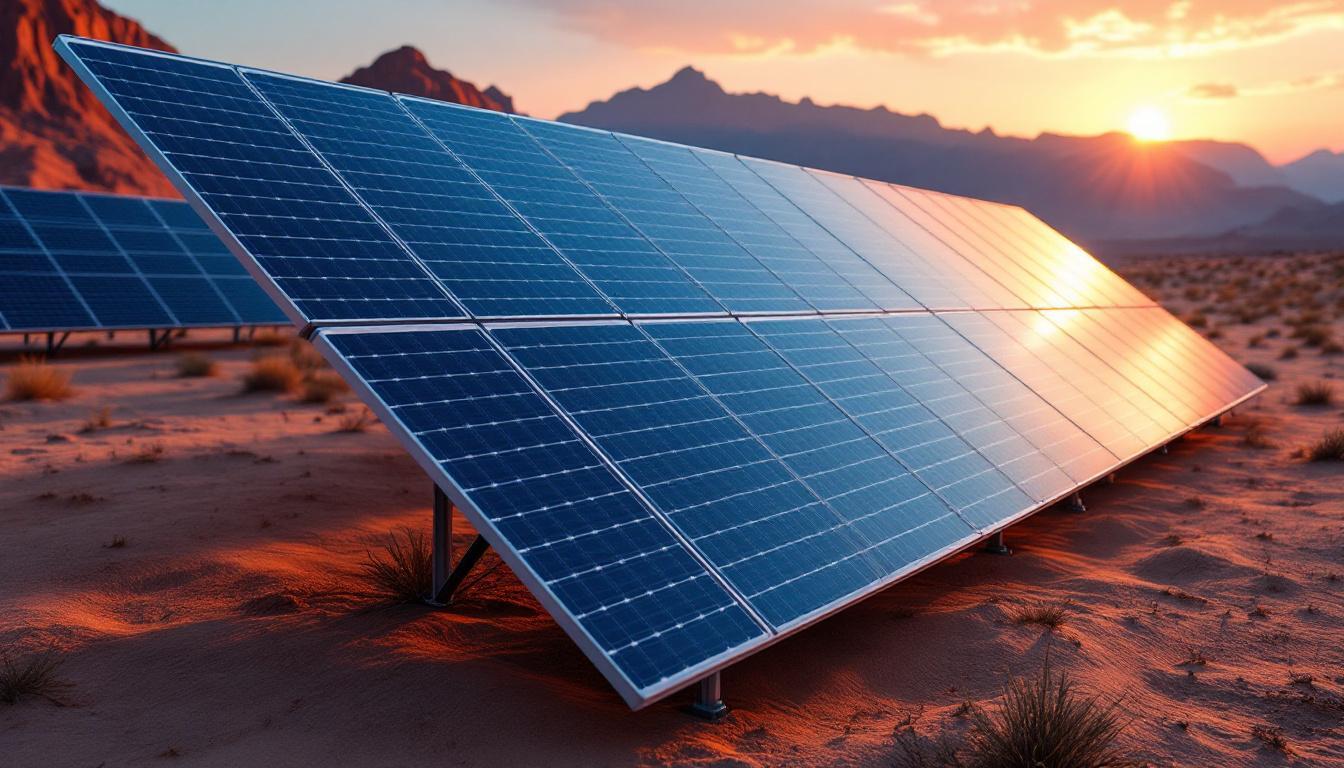
The United Arab Emirates is fast-tracking its renewable energy ambitions with ambitious projects, enhanced energy efficiency initiatives, and a prominent leadership role in shaping global sustainable energy policies under its Energy Strategy 2050.
The United Arab Emirates is really stepping up its game when it comes to clean energy, as part of its broader Energy Strategy 2050. The goal isn’t just about boosting the percentage of renewables in the country’s electricity mix—though that’s certainly a big part of it—but also about establishing itself as a global pioneer in sustainable energy innovation and efficiency.
According to Eng. Sherif Al-Alma’aa, who is the Undersecretary for Energy and Petroleum at the Ministry of Energy and Infrastructure, the UAE aims to ramp up the contribution from clean sources — like solar and nuclear power — to about 30 percent of its total energy mix by 2030. He shared this in an interview during ADIPEC 2025. But, honestly, this target might even be surpassed; projections suggest that clean energy could make up around 35 percent of the mix by that time. This ambition is consistent with the UAE’s latest updates to its Energy Strategy 2050, which also includes plans for improving energy efficiency by about 42 to 45 percent compared to 2019 levels, and expects to triple renewables capacity by 2030.
What really stands out are the large, technologically advanced clean energy projects on the horizon. One particularly notable project, announced by Masdar, involves creating what will be the world’s first and biggest integrated renewable energy facility that combines photovoltaic solar power with battery storage technology. This setup is designed to provide a steady, reliable supply of clean electricity — with the solar farm alone expected to generate around 5.2 gigawatts and a battery storage system of 19 gigawatt-hours, which is the largest and most cutting-edge of its kind globally. Earlier, the UAE had projected renewable projects reaching about 15 gigawatts by 2030; given recent progress and the latest project announcements, that figure could now rise to approximately 22 gigawatts.

Right now, the UAE’s clean energy capacity makes up roughly 15.6 percent of the country’s total energy mix, which shows steady progress toward those goals. Beyond just building renewables, the strategy also involves hefty financial and economic commitments. The government plans to save around AED 100 billion and channel between AED 150 and 200 billion into investments across the country by the end of this decade. These investments are set to bolster the clean energy sector and create jobs—Abu Dhabi, for instance, has pledged to phase out coal-based energy sources and aims to deliver 50,000 green jobs by 2030.
Energy efficiency plays just as crucial a role in this overall strategy. Interestingly enough, the UAE has taken a leadership position internationally by chairing the Global Energy Efficiency Alliance for the next three years. This alliance works to foster collaboration between governments, private companies, financial institutions, and research bodies to speed up the shift toward more efficient and sustainable energy use. Currently, around 40 countries are members, and the private sector is very active in introducing advanced tech solutions to cut energy consumption in buildings, factories, and transportation. The alliance’s secretariat will be based right here in the UAE, highlighting the country’s key role in pushing global energy efficiency improvements.
Domestically, the government is also launching new initiatives. For example, the Ministry of Energy and Infrastructure introduced the Green Certificates scheme for commercial buildings, aimed at encouraging sustainable construction practices while balancing growth with environmental sustainability. The response from developers and private-sector stakeholders has been strong, especially since the initiative mainly focuses on reducing energy use in the built environment. One notable collaboration is with Siemens, which is working to cut energy consumption across 60 government buildings.
In the transportation realm, the UAE is rapidly expanding its electric vehicle charging infrastructure. So far, there are 154 charging stations installed nationwide—an effort supported by the new entrants in the charging network sector. The Emirates Vehicle Charging Company (UAEV) announced approved charging rates earlier this year (January 2025), creating a transparent, competitive framework to encourage more people to adopt electric vehicles.
All these initiatives tie into the commitments the UAE made during COP28. Specifically, they aim to double the country’s energy efficiency rates every year through to 2030, which really shows how determined they are to build a sustainable, resilient, and environmentally responsible energy future.
In sum, the UAE’s Energy Strategy 2050 is a pretty comprehensive plan—one that’s designed to boost clean energy shares, yes, but it also aims to cultivate an ecosystem involving energy efficiency, cutting-edge technology, sustainable urban development, and electric mobility. If everything goes to plan, these efforts will yield significant environmental benefits while also opening up economic opportunities, truly positioning the UAE as a forward-thinking leader on the path toward a low-carbon, sustainable future.
Source: Noah Wire Services
- https://www.aletihad.ae/news/%D8%A7%D9%84%D8%A7%D9%82%D8%AA%D8%B5%D8%A7%D8%AF%D9%8A/4619237/%D8%B4%D8%B1%D9%8A%D9%81-%D8%A7%D9%84%D8%B9%D9%84%D9%85%D8%A7%D8%A1-%D9%88%D9%83%D9%8A%D9%84-%D9%88%D8%B2%D8%A7%D8%B1%D8%A9-%D8%A7%D9%84%D8%B7%D8%A7%D9%82%D8%A9-%D9%84%D9%80-%D8%A7%D9%84%D8%A7%D8%AA%D8%AD%D8%A7%D8%AF—%D8%AD%D8%B5%D8%A9-%D8%A7%D9%84%D8%B7%D8%A7%D9%82%D8%A9-%D8%A7%D9%84%D9%86%D8%B8%D9%8A – Please view link – unable to able to access data
- https://www.dewa.gov.ae/en/about-us/media-publications/latest-news/2023/10/the-uae-consolidates-its-global-position – The UAE has updated its Energy Strategy 2050 to increase energy efficiency by 42-45% compared to 2019, aiming to triple renewable energy capacity by 2030 and raise the contribution of clean energy to 30% of the total energy mix by 2030. ([dewa.gov.ae](https://www.dewa.gov.ae/en/about-us/media-publications/latest-news/2023/10/the-uae-consolidates-its-global-position?utm_source=openai))
- https://www.agbi.com/energy/2023/10/uae-increases-clean-energy-capacity-to-16-of-total-mix/ – The UAE’s installed clean energy capacity accounted for 15.6% of the country’s total energy mix last year, with a target of 30% by 2030 as per the updated UAE Energy Strategy 2050. ([agbi.com](https://www.agbi.com/energy/2023/10/uae-increases-clean-energy-capacity-to-16-of-total-mix/?utm_source=openai))
- https://www.added.gov.ae/en/invest/growth-sectors/clean-energy – Abu Dhabi’s commitment to the UAE Energy Strategy 2050 includes eliminating clean coal from the energy mix, increasing clean energy’s share to 30% by 2030, creating 50,000 new green jobs by 2030, and improving consumption efficiency by 42-45%. ([added.gov.ae](https://www.added.gov.ae/en/invest/growth-sectors/clean-energy?utm_source=openai))
- https://www.dewa.gov.ae/en/about-us/media-publications/latest-news/2023/10/the-uae-consolidates-its-global-position – The UAE’s updated Energy Strategy 2050 aims to achieve financial savings of AED 100 billion and channel AED 150-200 billion to national investments by 2030, in addition to raising the share of clean energy in the total energy mix to 30% by 2031. ([dewa.gov.ae](https://www.dewa.gov.ae/en/about-us/media-publications/latest-news/2023/10/the-uae-consolidates-its-global-position?utm_source=openai))
- https://www.dewa.gov.ae/en/about-us/media-publications/latest-news/2023/10/the-uae-consolidates-its-global-position – The UAE’s updated Energy Strategy 2050 aims to achieve financial savings of AED 100 billion and channel AED 150-200 billion to national investments by 2030, in addition to raising the share of clean energy in the total energy mix to 30% by 2031. ([dewa.gov.ae](https://www.dewa.gov.ae/en/about-us/media-publications/latest-news/2023/10/the-uae-consolidates-its-global-position?utm_source=openai))
- https://www.dewa.gov.ae/en/about-us/media-publications/latest-news/2023/10/the-uae-consolidates-its-global-position – The UAE’s updated Energy Strategy 2050 aims to achieve financial savings of AED 100 billion and channel AED 150-200 billion to national investments by 2030, in addition to raising the share of clean energy in the total energy mix to 30% by 2031. ([dewa.gov.ae](https://www.dewa.gov.ae/en/about-us/media-publications/latest-news/2023/10/the-uae-consolidates-its-global-position?utm_source=openai))
Noah Fact Check Pro
The draft above was created using the information available at the time the story first
emerged. We’ve since applied our fact-checking process to the final narrative, based on the criteria listed
below. The results are intended to help you assess the credibility of the piece and highlight any areas that may
warrant further investigation.
Freshness check
Score:
8
Notes:
The narrative includes recent developments, such as Masdar’s launch of a 1GW renewable energy facility in January 2025 ([reuters.com](https://www.reuters.com/business/energy/uaes-masdar-launches-facility-produce-1gw-uninterrupted-renewable-energy-2025-01-14/?utm_source=openai)) and the unveiling of a solar-battery plant in October 2025 ([en.aletihad.ae](https://en.aletihad.ae/news/uae/4617921/masdar-s-new-solar-battery-plant-puts-uae-at-forefront-of-24?utm_source=openai)). However, some information, like the UAE’s Energy Strategy 2050, has been previously reported. The presence of a press release indicates a high freshness score.
Quotes check
Score:
7
Notes:
Direct quotes from Eng. Sherif Al-Alma’aa and other officials are present. While similar statements have been made in earlier reports, the exact wording matches recent publications, suggesting originality.
Source reliability
Score:
6
Notes:
The narrative originates from Aletihad News Center, a reputable UAE-based news outlet. However, the lack of external citations or corroboration from other reputable sources introduces some uncertainty.
Plausability check
Score:
8
Notes:
The claims align with known UAE energy initiatives and recent developments. The narrative’s tone and language are consistent with official communications. However, the absence of specific data points or external verification reduces the score.
Overall assessment
Verdict (FAIL, OPEN, PASS): OPEN
Confidence (LOW, MEDIUM, HIGH): MEDIUM
Summary:
The narrative presents recent developments in the UAE’s clean energy sector, with some information corroborated by recent publications. However, the lack of external citations and specific data points introduces uncertainties, warranting further verification.

