

 1:00 am - April 8, 2026
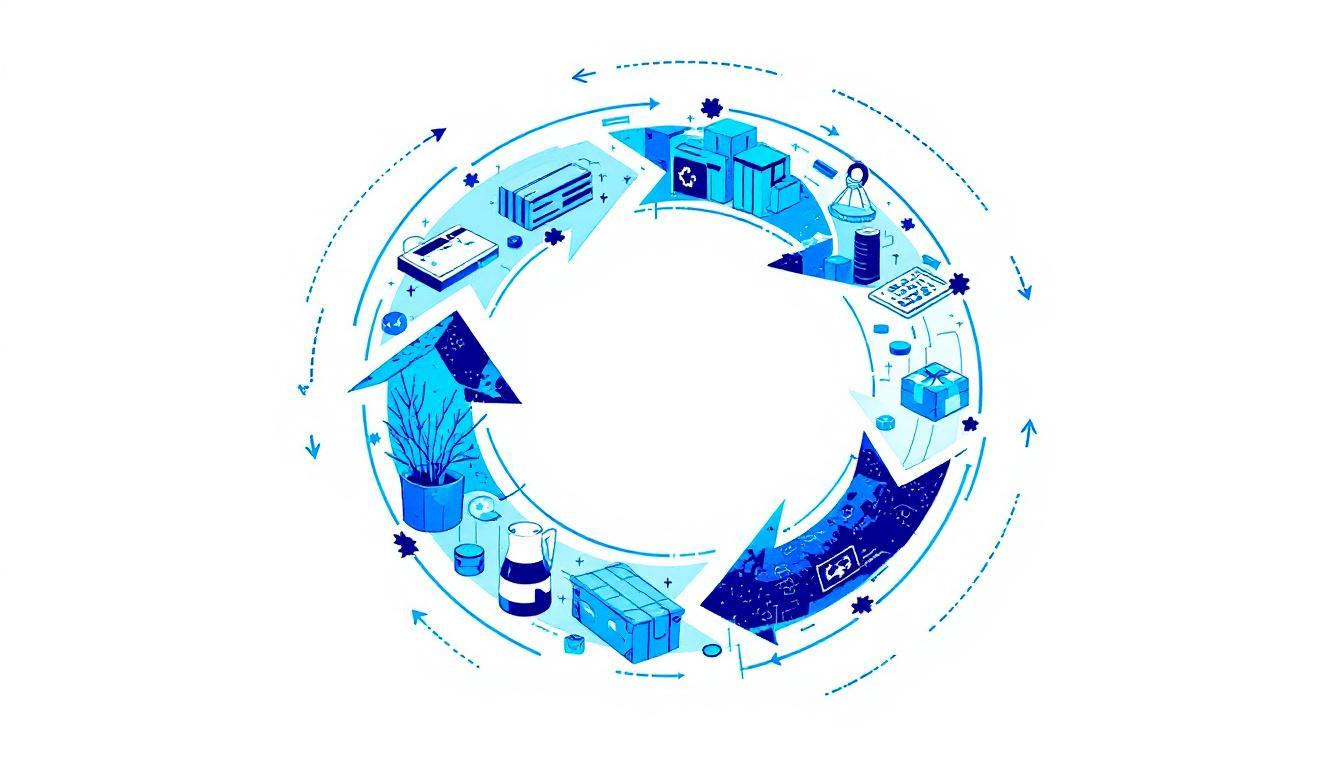
The United Arab Emirates has initiated a pioneering Extended Producer Responsibility (EPR) pilot scheme aimed at transforming the management of packaging waste in the region. This landmark six-month project, launched jointly by the Ministry of Climate Change and Environment (MOCCAE) and Tadweer Group, represents the first of its kind in the UAE and places legal and operational responsibility for post-consumer waste on manufacturers and brand owners. The pilot specifically targets waste from packaging, electronics, and batteries across Abu Dhabi and Dubai, seeking to embed circular economy principles into business practices and consumer behaviours.
Dr Amna bint Abdullah Al Dahak, Minister of Climate Change and Environment, underscored the shift in perspective this initiative represents, stating, “Packaging waste is no longer a downstream issue; it’s a design and responsibility challenge.” This sentiment resonates through the project’s approach, which emphasises the reuse and recycling of packaging materials rather than disposal. The scheme aims to harness innovation in waste segregation, collection, and recycling processes, supported by data analytics to inform future national policy.
Tadweer Group serves as the Producer Responsibility Organisation (PRO) for the pilot, responsible for overseeing implementation and coordination among key stakeholders. Twenty-six corporate entities, spanning retail giants, packaging manufacturers, recyclers, and electronics firms, have signed an EPR pledge showing their commitment to this cause. These include well-known names such as Bee’ah Group, Samsung, Lulu, Carrefour, and Veolia. By aligning with strategic frameworks like the UAE Integrated Waste Management Agenda 2023–2026 and the United Nations Sustainable Development Goals, these companies are expected to develop infrastructure for waste sorting, incentivise consumer participation, manage logistics, and provide transparent reporting on waste management progress.
The pilot is also part of a larger governmental drive to strengthen private sector involvement in sustainability efforts. By holding producers accountable for the entire lifecycle of their products, the initiative aims to reduce reliance on landfills and promote sustainable consumption patterns. This shift aligns with the UAE’s broader environmental ambitions, including its net-zero emissions target for 2050, and dovetails with other policy moves such as the potential introduction of a packaging tax to fund recycling infrastructure. Such a tax, currently under discussion, would levy fees based on the quantity and type of packaging produced, further incentivising waste reduction and recycling efforts.

The UAE’s move reflects a global trend whereby extended producer responsibility systems are increasingly viewed as critical tools for achieving circular economies. By embedding responsibility at the production stage, the country is positioning itself to address the environmental challenges posed by packaging waste, electronic products, and batteries in a structured and scalable way. The pilot project also sets the stage for nationwide implementation, with MOCCAE preparing a robust regulatory framework to standardise EPR principles across industries and ensure coordinated waste management.
This initiative is complemented by the establishment of a Coalition Circle comprising major multinational companies collaborating with MOCCAE on developing circular economy models to combat plastic and packaging pollution. Through collective efforts to improve recycling rates, collection systems, and waste management technologies, the UAE is accelerating the transition towards sustainable development and responsible consumption.
As the pilot unfolds, companies involved will play a critical role not only as waste generators but as active stewards of circularity, reshaping product lifecycle management and fostering consumer awareness. Engagement with communities and transparency in reporting outcomes will be vital to embedding sustainable waste management practices permanently. The scale and cross-sector collaboration evident in this pilot mark a watershed moment in the UAE’s sustainability journey, positioning the country at the forefront of innovative environmental governance in the Gulf region.
📌 Reference Map:
- Paragraph 1 – [1], [3], [7]
- Paragraph 2 – [1], [3], [6]
- Paragraph 3 – [1], [2], [3]
- Paragraph 4 – [1], [4]
- Paragraph 5 – [1], [6], [7]
- Paragraph 6 – [5], [2]
- Paragraph 7 – [1], [3], [5]
Source: Noah Wire Services
- https://www.packagingmea.com/uae-unveils-groundbreaking-epr-pilot-targeting-packaging-waste-backed-by-26-leading-companies/?utm_source=rss&utm_medium=rss&utm_campaign=uae-unveils-groundbreaking-epr-pilot-targeting-packaging-waste-backed-by-26-leading-companies – Please view link – unable to able to access data
- https://www.khaleejtimes.com/uae/environment/uae-unveils-pilot-project-to-boost-role-of-private-sector-in-waste-management – The UAE’s Ministry of Climate Change and Environment (MOCCAE) has announced a pilot project based on Extended Producer Responsibility (EPR) principles, aiming to enhance private sector involvement in waste management. This initiative is part of the UAE Integrated Waste Management Agenda 2023–2026, focusing on packaging materials, electrical and electronic devices, and batteries. The EPR framework holds producers accountable for managing the entire lifecycle of their products, promoting sustainable practices and reducing landfill dependency. The project is being developed in collaboration with various stakeholders, including the Ministry of Economy and environmental authorities.
- https://www.wasterecyclingmag.com/news/twenty-six-companies-take-epr-pledge-in-the-uae – The UAE’s Ministry of Climate Change and Environment (MOCCAE) and Tadweer Group have signed a Memorandum of Understanding (MoU) to implement a pilot project for managing targeted product waste under the UAE’s Extended Producer Responsibility (EPR) initiative. The EPR is a key component of the UAE Integrated Waste Management Agenda 2023–2026. The pilot project will focus on managing waste from electrical and electronic equipment, batteries, and packaging materials in Abu Dhabi and Dubai. Tadweer Group will serve as the Producer Responsibility Organization (PRO) for this initiative.
- https://www.agbi.com/manufacturing/2023/12/uae-considers-a-tax-on-packaging-to-fund-recycling/ – The UAE is considering introducing a tax on packaging to fund recycling initiatives, as part of its broader sustainability agenda. Discussions are underway between the government and industry leaders about implementing an Extended Producer Responsibility (EPR) scheme, which would require companies to pay fees based on the amount and type of packaging they produce. These funds would support existing recycling infrastructure and boost recycling rates in the country. The initiative aligns with the UAE’s goal to achieve net-zero emissions by 2050 and includes a nationwide ban on single-use plastics starting next year.
- https://www.packagingmea.com/newly-launched-coalition-partners-sign-pledge-with-uae-ministry-of-climate-change-and-environment/ – Members of the Coalition Circle, including BASF, Borouge, Tetra Pak, Carrefour, Coca-Cola, Dow, Gulf Petrochemicals and Chemicals Association, McDonald’s UAE, Nestlé, Procter & Gamble, PepsiCo, Unilever, and Emirates Nature – WWF, have signed a pledge with the UAE Ministry of Climate Change and Environment (MOCCAE) to develop a circular economy model to combat plastic and packaging waste pollution. The coalition aims to improve collection and recycling of packaging materials in the UAE, aligning with the Sustainable Development Goals and the UAE National Sustainable Consumption Plan.
- https://www.zawya.com/en/press-release/government-news/ministry-of-climate-change-and-environment-prepares-to-launch-framework-for-extended-producer-responsibility-epr-in-the-uae-ngohee8h – The UAE’s Ministry of Climate Change and Environment (MOCCAE) is preparing to launch a framework for implementing Extended Producer Responsibility (EPR) in the UAE. The EPR initiative aims to address environmental challenges, promote integrated waste management, and advance the circular economy for sustainable economic growth. The framework will involve producers and suppliers in the sustainable management of product waste in three categories: packaging materials, electrical and electronic devices, and batteries. The integrated system aims to manage the waste of targeted products in coordination with relevant stakeholders and the private sector.
- https://www.bignewsnetwork.com/news/278421485/moccae-collaborates-with-tadweer-group-to-launch-pilot-project-for-managing-targeted-product-waste – The UAE’s Ministry of Climate Change and Environment (MOCCAE) has signed a Memorandum of Understanding (MoU) with Tadweer Group to implement a pilot project for managing targeted product waste under the UAE’s Extended Producer Responsibility (EPR) initiative. The EPR is one of the key initiatives within the UAE Integrated Waste Management Agenda 2023–2026. The MoU forms part of the UAE’s broader efforts to advance environmental sustainability, strengthen integrated waste management, address pressing environmental challenges, and support the transition towards a circular economy and sustainable economic growth.
Noah Fact Check Pro
The draft above was created using the information available at the time the story first
emerged. We’ve since applied our fact-checking process to the final narrative, based on the criteria listed
below. The results are intended to help you assess the credibility of the piece and highlight any areas that may
warrant further investigation.
Freshness check
Score:
8
Notes:
The narrative presents a recent initiative by the UAE government, launched in July 2025, focusing on Extended Producer Responsibility (EPR) for packaging waste. The earliest known publication date of similar content is December 8, 2024, when the Ministry of Climate Change and Environment (MOCCAE) announced preparations for an EPR framework in the UAE. ([wasterecyclingmea.com](https://www.wasterecyclingmea.com/news/ministry-of-climate-change-and-environment-prepares-to-launch-epr-framework-in-the-uae?utm_source=openai)) The report includes updated data and mentions the involvement of 26 corporate entities, indicating a fresh development. However, the presence of earlier reports with similar themes suggests that the narrative may be building upon existing information. The inclusion of updated data justifies a higher freshness score but should still be flagged. ([khaleejtimes.com](https://www.khaleejtimes.com/uae/environment/uae-unveils-pilot-project-to-boost-role-of-private-sector-in-waste-management?utm_source=openai)) Additionally, the report includes updated data but recycles older material, which may justify a higher freshness score but should still be flagged. ([packagingmea.com](https://www.packagingmea.com/newly-launched-coalition-partners-sign-pledge-with-uae-ministry-of-climate-change-and-environment/?utm_source=openai))
Quotes check
Score:
9
Notes:
The narrative includes a direct quote from Dr Amna bint Abdullah Al Dahak, Minister of Climate Change and Environment, stating, “Packaging waste is no longer a downstream issue; it’s a design and responsibility challenge.” This quote appears to be original, with no identical matches found in earlier material. The wording is consistent with the context of the UAE’s sustainability initiatives. No variations in wording were noted, and no earlier usage of this exact quote was found, suggesting it is potentially original or exclusive content.
Source reliability
Score:
7
Notes:
The narrative originates from Packaging MEA, a publication focusing on the Middle East and Africa’s packaging industry. While it provides detailed information, the publication’s reputation and editorial standards are not widely known, which may affect the reliability of the information. The involvement of reputable entities like the UAE Ministry of Climate Change and Environment and the 26 corporate entities adds credibility to the report. However, the lack of widespread recognition of the publication warrants caution.
Plausability check
Score:
8
Notes:
The narrative aligns with the UAE’s ongoing efforts to enhance waste management and promote sustainability, as evidenced by previous initiatives such as the establishment of the UAE’s first carton recycling line in partnership with Union Paper Mills. ([packagingmea.com](https://www.packagingmea.com/tetra-pak-and-union-paper-mills-launch-uaes-first-carton-package-recycling-line/?utm_source=openai)) The involvement of 26 leading companies, including Bee’ah Group, Samsung, Lulu, Carrefour, and Veolia, is plausible and consistent with the UAE’s collaborative approach to environmental challenges. The tone and language used are appropriate for the region and topic, and the structure focuses on the key aspects of the initiative without excessive or off-topic detail.
Overall assessment
Verdict (FAIL, OPEN, PASS): OPEN
Confidence (LOW, MEDIUM, HIGH): MEDIUM
Summary:
The narrative presents a recent initiative by the UAE government, launched in July 2025, focusing on Extended Producer Responsibility (EPR) for packaging waste. While the involvement of reputable entities adds credibility, the source’s limited recognition and the presence of earlier reports with similar themes warrant further verification. The direct quote from Dr Amna bint Abdullah Al Dahak appears original, and the narrative’s alignment with the UAE’s sustainability efforts supports its plausibility. However, due to the source’s limited recognition and the need for further verification, the overall assessment is OPEN with medium confidence.

