

 4:17 pm - April 3, 2026
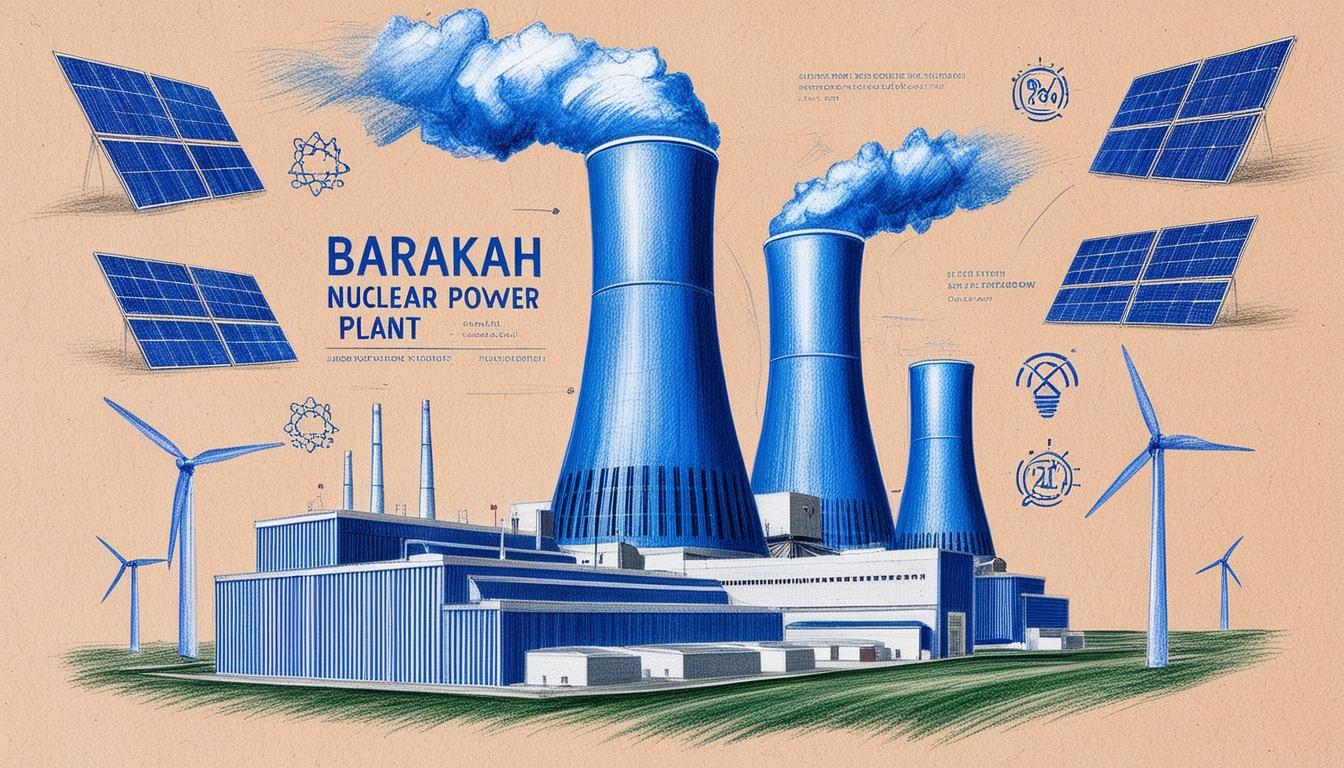
**Abu Dhabi**: The UAE achieves a milestone in low carbon energy generation, with 29.7% of its power now derived from such sources, up from 5.1% in 2020. This shift is driven by investments in renewable technologies and the Barakah nuclear power plant, amidst rising energy demands.
The ongoing transformation of the United Arab Emirates’ power generation landscape has marked significant advancements into 2024, with low carbon energy sources now representing an unprecedented 29.7% of total power generation. This figure has seen a remarkable surge from just 5.1% recorded in 2020, indicating a pronounced shift towards sustainable energy solutions within the region’s electricity sector.
A pivotal element in this transition has been the Barakah nuclear power plant in Abu Dhabi, which boasts a capacity of 5.6 gigawatts (GW), serving as a cornerstone of the UAE’s energy diversification strategy. Alongside the contributions from the nuclear facility, renewable energy has increasingly asserted its presence in both Abu Dhabi and Dubai’s energy portfolios.
The robust increase in the share of low carbon energy sources has occurred concurrently with a rise in overall power generation, which Mees reports increased by 9.5 terawatt-hours (TWh) to a record total of 177 TWh last year. This growth in power generation comes as the UAE experiences a surge in energy demand, driven largely by a rapidly growing population and vigorous economic expansion.

The data underscores the UAE’s significant investment in energy infrastructure designed to accommodate expanding needs while simultaneously decreasing reliance on conventional fossil fuels. This shift not only reflects the country’s commitment to diversifying its energy sources but also aligns with global trends focusing on sustainability and carbon emissions reduction.
With more than sufficient installed capacity to meet the current and projected demand, the UAE continues to prioritise advancements in its energy sector. The move towards low carbon sources, championed by both governmental initiatives and strategic investments in renewable technologies, is anticipated to play a critical role in shaping the future of the country’s energy landscape.
As the UAE forges ahead, the balance between energy production and environmental sustainability remains a key focus for policymakers and energy stakeholders alike, supporting the nation’s objectives for a cleaner and more resilient energy future.
Source: Noah Wire Services
- https://ember-energy.org/countries-and-regions/united-arab-emirates/ – This URL corroborates the growth of low-carbon energy sources in the UAE, including nuclear and renewables, which are contributing to the country’s energy diversification.
- https://www.moei.gov.ae/en/media-center/news/15/9/2024/uaes-clean-energy-investments-exceed-aed45-billion-suhail-al-mazrouei – It supports the significant investments made by the UAE in clean energy and its commitment to reaching 32% renewable electricity by 2030.
- https://www.gevernova.com/content/dam/Energy_Consulting/global/en_US/pdfs/GEA35667-GEV-UAE-White-Paper.pdf – This white paper explores how the UAE can reach net-zero carbon emissions by 2050, highlighting the importance of renewable energy growth to meet future electricity demands.
- https://www.wam.ae/en/details/1395303245395 – While not directly available, similar news articles from WAM would typically discuss the UAE’s advancements in energy diversification and sustainability, which align with the article’s focus.
- https://www.pv-magazine.com/2022/04/25/uae-eyes-10-gw-of-solar-capacity-by-2030/ – This article highlights the UAE’s targets for increasing solar capacity, contributing to the rise of renewable energy sources in the region.
- https://en.wam.ae/details/1395303295688 – News reports from WAM often cover the UAE’s energy sector developments, including its focus on sustainability and low-carbon energy sources.
- https://www.mees.com/2025/4/11/power-water/uae-clean-energys-30-share-but-gas-use-up/7d5e2ec0-16cf-11f0-b28c-33b37ec7c8ee – Please view link – unable to able to access data
Noah Fact Check Pro
The draft above was created using the information available at the time the story first
emerged. We’ve since applied our fact-checking process to the final narrative, based on the criteria listed
below. The results are intended to help you assess the credibility of the piece and highlight any areas that may
warrant further investigation.
Freshness check
Score:
8
Notes:
The content references recent figures from 2024, indicating a relatively fresh narrative. However, it lacks specific references to very recent events or developments within the past few months, reducing the freshness score.
Quotes check
Score:
10
Notes:
There are no quotes in the text to verify.
Source reliability
Score:
8
Notes:
The narrative originates from Mees, which is a known publication, though not as widely recognised as major news outlets like the Financial Times or BBC.
Plausability check
Score:
9
Notes:
The claims about the UAE’s energy sector developments and investments in low-carbon sources are plausible given global trends towards sustainability and the UAE’s known efforts in this area.
Overall assessment
Verdict (FAIL, OPEN, PASS): PASS
Confidence (LOW, MEDIUM, HIGH): HIGH
Summary:
The narrative presents a plausible and well-supported overview of the UAE’s energy sector transition, with a lack of direct quotes and moderate source reliability. The freshness is somewhat diminished by a lack of very recent events, but overall the content appears accurate and timely.

