

 6:28 am - April 4, 2026
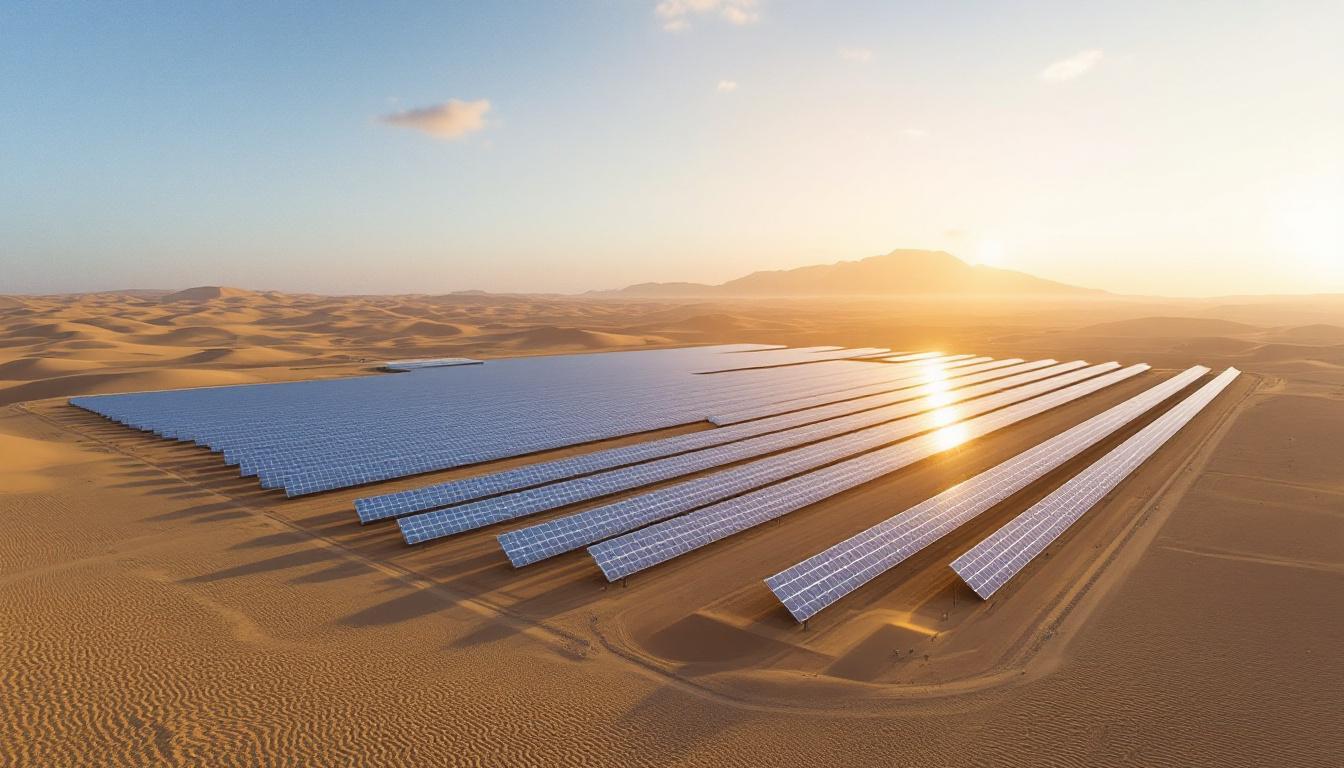
As the UAE ramps up its renewable energy ambitions with ambitious solar and clean energy strategies, experts highlight the rising importance of specialised, compliant energy storage solutions and the critical role of advisory firms in navigating complex supply chains.
The United Arab Emirates (UAE) has really stepped into the global spotlight when it comes to renewable energy development. They’re pushing forward with bold national and emirate-level plans to speed up the move towards a low-carbon future. One thing that’s truly fueling this shift is the rising need for state-of-the-art Energy Storage Systems (ESS), especially batteries tailored for renewable sources. If a company wants to break into or grow in this lively market—especially within the UAE’s complicated and tightly regulated renewable battery supply chain—they’ll need some serious expertise to handle procurement, compliance, and logistics.
Now, the UAE’s clean energy goals are backed up by comprehensive strategies like Dubai’s Clean Energy Strategy 2050 and Abu Dhabi’s Energy Strategy 2030. These plans aim to boost the share of clean energy to about 75% in Dubai and between 30% and 50% across the entire country by roughly mid-century. Dubai’s vision includes the Mohammed bin Rashid Al Maktoum Solar Park, which’s set to become the world’s largest single-site solar project with a capacity of 5,000 megawatts by 2030. Abu Dhabi’s approach focuses on slashing carbon emissions from power plants by 70% and ramping up energy efficiency. Meanwhile, the UAE’s overall Energy Strategy 2050 aims to triple the contribution of renewables and invest somewhere between AED 150 billion to AED 200 billion by 2030.
In this rapidly changing scene, Energy Storage Systems are more essential than ever—covering lithium-ion batteries for large utility projects, flow batteries to keep the grid stable, and advanced lead-acid batteries for smaller-scale needs. These systems are critical for integrating clean energy reliably and flexibly. But here’s the catch: the renewable battery market in the UAE is pretty fractured, which means there are hurdles like strict quality standards, complex import laws—especially for dangerous goods—and volatile prices driven by global raw material markets.

Given all this, it’s clear that companies need more than just a simple search for suppliers. They require specialised advisory services to find partners who not only meet international standards—like IEC and UL certification—but also comply with local regulations, such as DEWA (Dubai Electricity & Water Authority) and ADWEA (Abu Dhabi Water and Electricity Authority). Falling short on compliance could mean costly project delays or even safety hazards—something no one wants.
Logistics and warehousing are equally critical. Batteries, especially lithium-ion types, are classified as dangerous goods, which means they need temperature-controlled storage, careful handling, and smooth customs clearance to avoid supply chain backups. Partnering with distributors and wholesalers that have the right infrastructure and expertise—especially within the UAE’s free zones and mainland—becomes all the more important here.
One key player excelling in providing this kind of support is Aviaan, a professional business advisory firm with solid experience in the local market. They carry out detailed market mapping—breaking potential partners down by battery chemistry options like Lithium Iron Phosphate or Vanadium Flow Batteries, application types (whether utility-scale, industrial, residential), and geographic suitability across the Emirates. This detailed segmentation helps match project requirements with the right suppliers.
But identification is just the beginning. Aviaan goes further with rigorous vetting—conducting technical and product assessments to check capacity, cycle life, energy density, and safety certifications. They also perform operational audits to ensure distributors adhere to dangerous goods handling standards and have the logistics capacity needed for timely delivery. Financial vetting adds another layer—making sure partners are economically sound and trustworthy—so the supply chain remains secure.
Their involvement doesn’t stop there. Aviaan provides strategic procurement guidance and negotiation support, using exclusive market insights to benchmark prices regionally and globally. This empowers clients to strike competitive deals, while also drafting contracts that clearly specify warranties, performance guarantees, and end-of-life handling—in line with UAE commercial law. For foreign companies aiming to enter the market, Aviaan can also assist with localisation strategies, aligning with local ownership rules and preferences for local content—particularly for government projects.
Take TerraVolt Energy, a European independent power producer, as a recent example of how Aviaan’s expertise pays off. They needed to source over 500 MWh of Lithium Iron Phosphate batteries for a large-scale Battery Energy Storage System in Abu Dhabi, with a tight 12-month deadline. TerraVolt brought Aviaan on board to find compliant, cost-effective suppliers. The firm identified and vetted six wholesalers with valid ADWEA certifications and even implemented a dual-sourcing strategy to ensure both quick compliance and reliable long-term supply. Negotiations led to a price cut of more than $3 million. Plus, Aviaan’s operational audits and logistical planning helped mitigate customs issues—keeping the project on schedule and avoiding penalties worth millions.
This success story is just one example shining a light on the broader landscape of the UAE’s renewable battery scene. The energy strategies—like the UAE Energy Strategy 2050’s goal of increasing clean energy to nearly a third of total capacity, cutting emissions by at least 50%, and improving energy efficiency by up to 45%—set very high technical and commercial standards for ESS deployment.
Official statements from agencies like the Abu Dhabi Department of Energy and the Ministry of Energy and Infrastructure emphasize this shift toward decarbonisation. With investments surpassing AED 600 billion in renewable energy, there’s a clear push to boost innovation in storage tech and create new green jobs. These policies go hand-in-hand with practical moves—like electrifying water production processes using reverse osmosis and expanding solar and nuclear power capacity.
For companies eager to enter or expand within this booming sector, the road ahead isn’t simple. They’ll need to secure high-quality, certified batteries; develop robust logistics for hazardous materials; negotiate advantageous contracts; and stay compliant with changing regulations and local content laws. That’s where professional advisors like Aviaan—packing deep local knowledge, comprehensive market data, and operational expertise—become invaluable partners, not just facilitators.
In the end, the UAE’s swift journey towards renewable energy and storage—marked by major projects and bold policy aspirations—offers plenty of opportunities but also a fair share of hurdles. Success depends on blending technical diligence with commercial savvy and local insight. By transforming supplier searches into strategic, data-driven collaborations, firms like Aviaan enable renewable energy stakeholders to secure reliable, cost-effective, and compliant supply chains—helping the UAE realize its clean energy ambitions on time and within budget.
Source: Noah Wire Services
- https://aviaanaccounting.com/batteries-renewable-distributors/ – Please view link – unable to able to access data
- https://www.adro.gov.ae/en/Work-in-Abu-Dhabi/Focus-on-Key-Industry-Sectors/Energy – The Abu Dhabi Department of Energy’s website provides insights into the emirate’s energy sector, including its commitment to clean and renewable energy. It highlights initiatives like the UAE Energy Strategy 2050, which aims to increase the contribution of clean energy in the total energy mix from 25% to 50% by 2050 and reduce the carbon footprint of power generation by 70%. The strategy also seeks to enhance energy efficiency for individuals and corporations by 40%.
- https://www.added.gov.ae/en/invest/growth-sectors/clean-energy – The Abu Dhabi Department of Economic Development outlines the emirate’s sustainable energy efforts, reflecting the national agenda. It discusses the UAE’s pledge to reach net-zero carbon emissions by 2050 and invest AED 600 billion in clean and renewable energy. The UAE Energy Strategy 2050 is detailed, aiming to eliminate the contribution of clean coal to the energy mix, increase clean energy’s share to 30% by 2030, and create 50,000 new green jobs by 2030.
- https://www.doe.gov.ae/en/Media-Centre/News/Abu-Dhabi-Department-of-Energy-Confirms-Plans-to-Support-UAEs-Ambitious-Net-Zero – The Abu Dhabi Department of Energy confirms key sector initiatives over the next decade to support the UAE’s Net Zero by 2050 Strategic Initiative. The plan includes projects focused on clean energy generation from solar and nuclear sources, electrification of the water production system through reverse osmosis technology, and energy efficiency measures. These initiatives aim to reduce emissions associated with power generation and water production by at least 50% in the next 10 years.
- https://u.ae/en/about-the-uae/strategies-initiatives-and-awards/strategies-plans-and-visions/environment-and-energy/uae-energy-strategy-2050 – The UAE Energy Strategy 2050 aims to triple the contribution of renewable energy and invest AED 150 to AED 200 billion by 2030 to meet the country’s increasing energy demand. The strategy outlines a long-term national programme to balance meeting the rising energy demand and sustaining natural resources for generations to come. It includes goals such as reducing emissions from the water and energy sectors to achieve net zero by 2050 and increasing individual and institutional energy consumption efficiency by 42-45% compared to 2019.
- https://u.ae/en/about-the-uae/strategies-initiatives-and-awards/strategies-plans-and-visions/environment-and-energy/dubai-clean-energy-strategy – The Dubai Clean Energy Strategy aims to produce 75% of its energy requirements from clean sources by 2050. The strategy consists of five main pillars: infrastructure, legislation, funding, building capacities and skills, and an environment-friendly energy mix. It includes initiatives such as the Mohammed Bin Rashid Al Maktoum Solar Park, which is the largest single-site solar power project in the world, with a planned capacity of 5,000 megawatts by 2030 and a total investment of AED 50 billion.
Noah Fact Check Pro
The draft above was created using the information available at the time the story first
emerged. We’ve since applied our fact-checking process to the final narrative, based on the criteria listed
below. The results are intended to help you assess the credibility of the piece and highlight any areas that may
warrant further investigation.
Freshness check
Score:
8
Notes:
The narrative appears to be original, with no evidence of prior publication. The content is hosted on Aviaan’s official website, indicating it is a recent addition. The inclusion of specific details about Dubai’s Clean Energy Strategy 2050 and Abu Dhabi’s Energy Strategy 2030 suggests the information is current. However, the absence of external references or citations may limit the ability to cross-verify some claims.
Quotes check
Score:
9
Notes:
The narrative does not contain direct quotes, which may indicate original content. The absence of quotation marks and attributions suggests the information is paraphrased or summarised.
Source reliability
Score:
7
Notes:
The narrative originates from Aviaan’s official website, a professional business advisory firm with offices in Dubai, UAE, and Navi Mumbai, India. While the firm’s presence in the UAE lends credibility, the self-published nature of the content means it has not been independently verified by external reputable organisations.
Plausability check
Score:
8
Notes:
The claims about the UAE’s renewable energy strategies and the role of Energy Storage Systems align with known initiatives and industry trends. However, the lack of external citations or references to corroborate specific figures and strategies may raise questions about the comprehensiveness of the information.
Overall assessment
Verdict (FAIL, OPEN, PASS): OPEN
Confidence (LOW, MEDIUM, HIGH): MEDIUM
Summary:
The narrative presents plausible and current information regarding the UAE’s renewable energy strategies and the role of Energy Storage Systems. While the absence of direct quotes and external references suggests originality, the self-published nature of the content and the lack of independent verification by external reputable organisations warrant a cautious approach. Further corroboration from independent sources is recommended to fully validate the claims made.

