

 4:59 pm - October 15, 2026
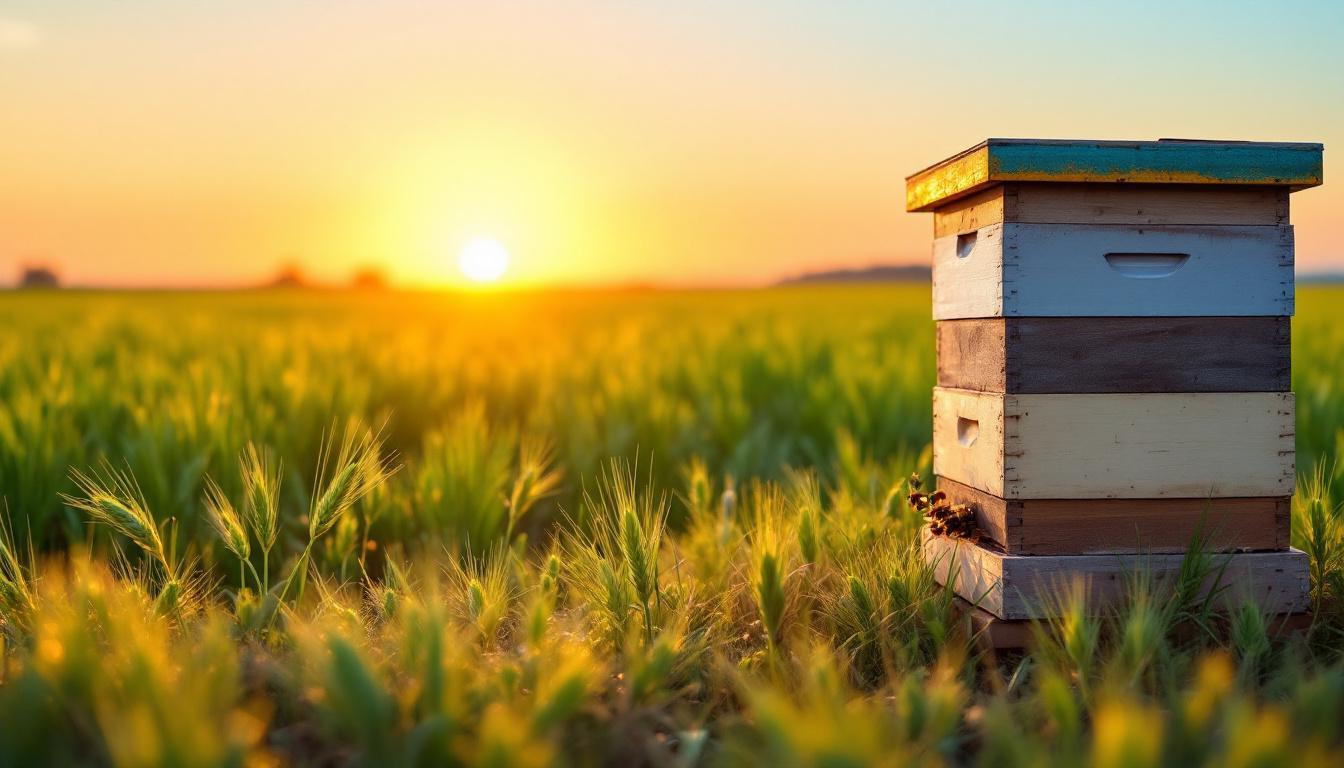
ADAFSA prepares for its first participation in Make it in the Emirates, highlighting initiatives in digital farming, local honey production, and investment opportunities amid UAE’s push for resilient and sustainable food systems.
The Abu Dhabi Agriculture and Food Safety Authority (ADAFSA) is gearing up to participate in Make it in the Emirates for the first time, utilizing the platform to showcase its initiatives in food production, farm technology, and investment prospects. This move comes as the UAE intensifies efforts to expand its industrial and agricultural capacity.
The event, scheduled from May 4 to 7 at the ADNEC Centre in Abu Dhabi, has grown into one of the country’s premier gatherings, attracting manufacturers, policymakers, and investors. According to organizers, the 2026 edition will be the biggest yet, covering 12 key industrial sectors. Food, beverages, and agriculture are among the main themes, alongside pharmaceuticals, advanced manufacturing, future energy, and aerospace.
For ADAFSA, this exhibition provides a valuable opportunity to highlight a sector that sits right at the crossroads of climate resilience, economic diversification, and food security. The authority aims to demonstrate how Abu Dhabi’s food system is shifting beyond traditional production, moving toward a more connected, integrated approach that links farms, processing facilities, quality control, and export channels.

Their booth is expected to focus on several initiatives designed to bolster local value chains and attract investments. One prominent project likely to draw attention is the upcoming Abu Dhabi Honey Programme, which ADAFSA plans to launch during the event. The goal of this initiative is to improve the quality of honey produced locally, support beekeepers, and enhance the commercial value of honey products. In a region where water scarcity and extreme heat make agriculture challenging, niche sectors like beekeeping can produce higher-value outputs with less land, so, honestly, it makes a lot of sense.
Additionally, the authority will display its Smart Agriculture 4.0 platform, showcasing how digital tools are becoming increasingly vital in the emirate’s farming landscape. Although specific technical details haven’t been fully disclosed, the platform aims to illustrate the shift towards sophisticated farming methods and the integration of farms into broader food supply chains. Interestingly enough, this trend mirrors regional movements, Gulf states are really pushing to combine controlled-environment agriculture, data-driven resource management, and strong local supply chains.
Livestock will also be a key part of their presentation. ADAFSA plans to highlight its Feed Market platform, along with developments in the camel sector and dairy production chains. These aren’t separate projects for their own sake; collectively, they address the challenge of boosting animal agriculture productivity while cutting back reliance on imported inputs. Access to affordable feed remains crucial in these arid environments, and any efforts to improve supply and prices could ripple out to influence dairy outputs and industries tied to camels, too.
The event will also serve as a platform to promote investment opportunities in agriculture and food sectors, working closely with the Abu Dhabi Investment Office. ADAFSA’s own materials suggest the emirate’s strategies include opportunities in fruits and vegetables, livestock, fisheries, and food manufacturing. The aim, they say, is to align investments with sustainability standards, reduce risks for investors, and attract foreign direct investment, bringing in advanced technology along the way.
This focus is especially relevant now since food-security strategies are increasingly tied to climate policies. In the UAE, full self-sufficiency isn’t expected anytime soon. Instead, the emphasis is on building resilience through smarter production systems, efficient water use, high-value supply chains, and stronger links between research and real-world deployment. ADAFSA’s participation in Make it in the Emirates aligns with that broader approach.
Their presentation will also take visitors through the entire food journey in Abu Dhabi, from initial production, through manufacturing and quality assurance, to export. The idea here is to emphasize that food security isn’t just about growing more , it also involves effective post-harvest handling, processing capacity, traceability, and the ability to reach wider markets. That’s a big opportunity for climate-tech companies and investors working on cold-chain logistics, precision agriculture, sensor systems, feed efficiency, data platforms, and waste reduction.
ADAFA has been quite active in research and community-led initiatives, too. Last year, they rolled out a field survey in collaboration with UAE University’s College of Medicine and Health Sciences along with the Statistics Centre – Abu Dhabi, to better understand food consumption patterns across the emirate. The goal? To get a clearer picture of dietary habits and support healthier eating practices. In 2025, they marked World Food Day by celebrating productive families and their role in maintaining food security and contributing to the local market.
All these programs point to a larger institutional goal. ADAFSA isn’t just about regulation; it’s also shaping the future of the sector. By training families who produce food, encouraging better data collection, and promoting investment, they’re working toward creating a more sustainable and competitive food economy for Abu Dhabi.
Their presence at Make it in the Emirates is ultimately more than just a show-and-tell. It signals that agriculture and food are becoming key industrial priorities, far from old-fashioned rural concerns, really. Considering the climate pressures, reliance on imports, and ongoing economic diversification efforts, this shift is likely to catch the eye of investors seeking practical opportunities, especially in the UAE’s next wave of growth.
ADAFA’s leadership and experts are also expected to participate in panel discussions, where they’ll talk about smart farming, food security, innovation in agriculture, and developing the feed market. In the end, the message is pretty clear: the future of food isn’t only about fields and factories but also about data platforms, investment frameworks, and public-private collaborations, building a resilient, modernized food system for Abu Dhabi.
- https://foodbusinessgulf.com/news/adafsa-joins-make-it-in-the-emirates-2026-for-the-first-time-to-drive-innovation-and-investment-in-agriculture-and-food-sectors/ – Please view link – unable to able to access data
- https://www.adafsa.gov.ae/en/mediahub/news/Pages/16112025.aspx – ADAFSA celebrates World Food Day, highlighting the role of productive families in strengthening food security and reaffirming commitment to agricultural sustainability. The authority supports productive families through training, guidance, and promotional opportunities, aiming to enhance their competitiveness in the local market. This initiative aligns with ADAFSA’s broader efforts to advance the agricultural sector and ensure food security in Abu Dhabi, in line with the UAE’s position as a global centre for innovation in agriculture.
- https://www.adafsa.gov.ae/en/investment/PublishingImages/pages/investment-request/Investment%20Book%20-%202022-ENG.pdf – ADAFSA’s Agricultural Investment Manual outlines investment opportunities in the agricultural sector of Abu Dhabi, focusing on fruits and vegetables, animal production, fisheries, and food manufacturing. The manual details a strategy to achieve sustainability standards for agricultural and food investments, aiming to reduce investment risks and attract foreign direct investments that incorporate advanced technology. It emphasizes the importance of involving academic and research institutions to guide investors towards optimal opportunities based on local market needs.
- https://www.adafsa.gov.ae/en/mediahub/news/Pages/21102024News.aspx – ADAFSA launches a comprehensive field survey to determine food consumption rates and patterns across Abu Dhabi, in collaboration with the College of Medicine and Health Sciences at UAEU and the Statistics Centre – Abu Dhabi. This pioneering research project reflects ADAFSA’s dedication to promoting healthier dietary choices and encouraging sound food consumption behaviours, aiming to curb improper food practices among consumers in the Emirate. The survey seeks to gather up-to-date and accurate data on individual food consumption rates across various regions in Abu Dhabi.
- https://www.adafsa.gov.ae/en/mediahub/news/Pages/16112025.aspx – ADAFSA celebrates World Food Day, highlighting the role of productive families in strengthening food security and reaffirming commitment to agricultural sustainability. The authority supports productive families through training, guidance, and promotional opportunities, aiming to enhance their competitiveness in the local market. This initiative aligns with ADAFSA’s broader efforts to advance the agricultural sector and ensure food security in Abu Dhabi, in line with the UAE’s position as a global centre for innovation in agriculture.
- https://www.adafsa.gov.ae/en/investment/PublishingImages/pages/investment-request/Investment%20Book%20-%202022-ENG.pdf – ADAFSA’s Agricultural Investment Manual outlines investment opportunities in the agricultural sector of Abu Dhabi, focusing on fruits and vegetables, animal production, fisheries, and food manufacturing. The manual details a strategy to achieve sustainability standards for agricultural and food investments, aiming to reduce investment risks and attract foreign direct investments that incorporate advanced technology. It emphasizes the importance of involving academic and research institutions to guide investors towards optimal opportunities based on local market needs.
- https://www.adafsa.gov.ae/en/mediahub/news/Pages/21102024News.aspx – ADAFSA launches a comprehensive field survey to determine food consumption rates and patterns across Abu Dhabi, in collaboration with the College of Medicine and Health Sciences at UAEU and the Statistics Centre – Abu Dhabi. This pioneering research project reflects ADAFSA’s dedication to promoting healthier dietary choices and encouraging sound food consumption behaviours, aiming to curb improper food practices among consumers in the Emirate. The survey seeks to gather up-to-date and accurate data on individual food consumption rates across various regions in Abu Dhabi.
Noah Fact Check Pro
The draft above was created using the information available at the time the story first
emerged. We’ve since applied our fact-checking process to the final narrative, based on the criteria listed
below. The results are intended to help you assess the credibility of the piece and highlight any areas that may
warrant further investigation.
Freshness check
Score:
10
Notes:
The article was published on April 29, 2026, and reports on ADAFSA’s upcoming participation in the ‘Make it in the Emirates 2026’ event scheduled from May 4 to 7, 2026. This is current and timely information.
Quotes check
Score:
0
Notes:
The article does not contain any direct quotes, making verification of sources unnecessary.
Source reliability
Score:
4
Notes:
The article originates from Food Business Gulf & Middle East, a niche publication. While it provides detailed information, the lack of broader coverage raises concerns about the independence and reliability of the source.
Plausibility check
Score:
8
Notes:
The claims about ADAFSA’s participation in the ‘Make it in the Emirates 2026’ event and the initiatives they plan to showcase are plausible and align with known industry trends. However, the absence of independent confirmation from other reputable sources slightly diminishes confidence.
Overall assessment
Verdict (FAIL, OPEN, PASS): FAIL
Confidence (LOW, MEDIUM, HIGH): MEDIUM
Summary:
While the article provides timely and plausible information about ADAFSA’s participation in the ‘Make it in the Emirates 2026’ event, the reliance on a single, niche source without independent verification from broader, reputable outlets raises concerns about the reliability and independence of the information presented. Editors should exercise caution and seek additional confirmation from more established news organizations before publishing.

