

 1:21 pm - October 15, 2026
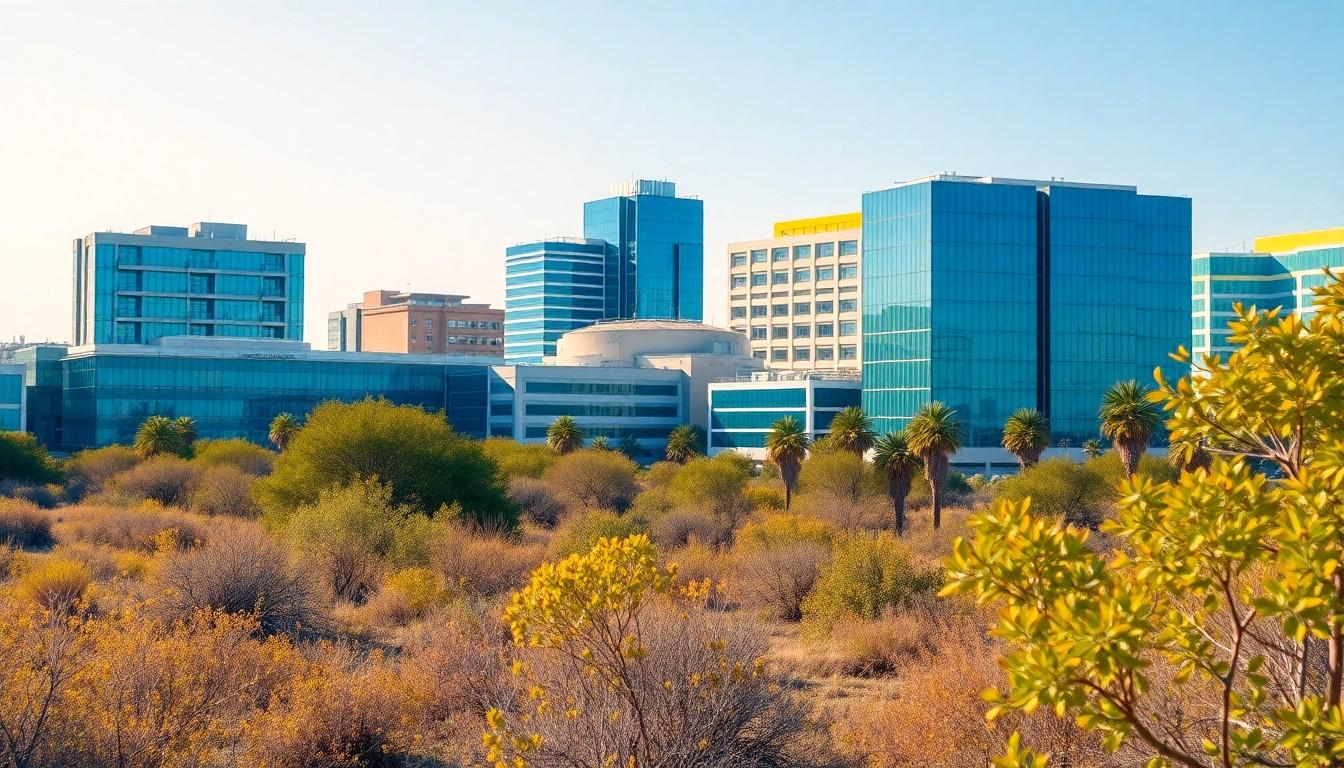
At Expo City Dubai, a newly planted pocket forest using native species and smart monitoring exemplifies innovative ecological restoration tailored for arid environments, offering a scalable blueprint for sustainable urban landscapes.
At Expo City Dubai, there’s a small stand of trees that’s doing more than just softening the skyline. Terra’s new pocket forest is being presented as a practical example of how desert cities can blend biodiversity, cooling, and educational elements into one public space.
The project draws inspiration from the Miyawaki method, a planting approach that uses densely packed native species to promote rapid growth and create a multi-layered woodland structure. And in Dubai, that’s pretty important. Traditional landscaping, especially in such dry conditions, often ends up being water-hungry and delicate. But the forest at Terra has been carefully designed around species already adapted to the UAE, like ghaf and sidr, with more than 500 native trees and shrubs planted across the very compact site.
Expo City Dubai says the idea is to go beyond mere decoration. The forest is intended to be a kind of self-sustaining habitat, supporting pollinators, improving air quality, and helping to cool the microclimate around it. That makes it relevant not just as a neat attraction but as a real-life case study in how urban greening can work in harsh climates, without relying on imported plants that demand lots of resources.

This is where Terra’s broader identity really matters. Originally, it was developed as the Sustainability Pavilion for Expo 2020 Dubai. Since then, it has positioned itself as a permanent place for learning about the environment. It already boasts LEED Platinum certification, a net-zero ambition for energy and water use, and immersive exhibits exploring life beneath ocean and forest canopies. The pocket forest builds on that logic, extending ecological ideas into the very landscape itself. Rather than just talking about ecology through displays, Terra now provides visitors with a living example outside the building walls.
According to Expo City Dubai, the forest also functions as a kind of outdoor classroom. That’s quite a clever angle here, especially in a city where climate resilience, urban heat, and water stress aren’t just distant concepts but part of the daily planning conversation. It demonstrates how public green spaces can be used to explain ecological processes in real-world terms. Soil health, microbial activity, plant density, and habitat creation aren’t just technical jargon or abstract ideas , now they’re visible, tangible parts of the visitor experience.
What really strengthens the educational value are the site’s smart monitoring systems. Expo City Dubai says sensors are tracking things like soil moisture and plant growth, while the wider Terra experience already incorporates digital tools to manage its energy and environmental performance. For those interested in climate tech, that’s quite significant. It suggests a model where green initiatives aren’t separate from data collection, but actually guided by real-time insights.
There’s also a bigger policy backdrop here. The pocket forest ties in with Dubai’s Public Parks and Greenery Strategy, which aims to significantly increase tree cover and boost biodiversity across the city. This shift in urban planning across the Gulf region means sustainability is increasingly linked to resilience, tourism, and livability. So, Terra’s forest isn’t just a one-off project; it’s part of a larger municipal goal to incorporate nature into the fabric of the city rather than keeping it on the fringes.
Another noteworthy point is that these ecological claims are firmly rooted in native planting. In desert environments, that’s no small detail. Native species tend to need less irrigation, are better at tolerating local conditions, and provide more meaningful habitats for insects, birds, and soil life. Plus, they make restoration efforts more credible. You can have a forest made from ornamental non-natives that appears green but lacks real ecological depth. Terra’s approach aims for a deeper, more functional kind of greenery.
The timing for this project is interesting too. The UAE is increasingly pairing environmental messaging with actual infrastructure projects, Terra, aside from its architecture and exhibitions, introduces a different dimension: it makes sustainability visible and tangible. That’s pretty important in tourism, where visitors increasingly want meaningful, educational experiences that match climate-conscious values.
It’s especially relevant for the growing trend of climate-tech demonstration sites. Dubai has become a hotspot for large-scale sustainability projects that must prove they can thrive in tough conditions. A successful pocket forest here wouldn’t just be a local feature; it could serve as a reference point for other hot-climate cities searching for low-water, biodiversity-friendly ways to green their densely built environments.
Of course, Terra’s forest will need some time to fully mature before we can truly judge its ecological performance. But that, in a way, is part of the point. The real value isn’t just in how it looks now , it’s in signalling that ecological restoration can start in extreme environments, provided the right species, density, and design principles are applied.
For Expo City Dubai, this pocket forest adds yet another layer to its sustainability credentials. And for the UAE’s urban greening plans, it offers something a bit rarer: a visible, practical example of how ecological restoration can be woven into the visitor experience itself.
- https://www.nomadlawyer.org/dubai-pocket-forest-expo-city-terra-miyawaki-method-sustainable-tourism-2026 – Please view link – unable to able to access data
- https://www.expocitydubai.com/en/blog/articles/healthy-living/small-forest-big-impact-why-terras-new-pocket-forest-matters/ – This article discusses the introduction of Dubai’s first native pocket forest at Terra, Expo City Dubai. The forest employs the Miyawaki Method, involving dense planting of native species like Ghaf and Sidr, to create a self-sustaining ecosystem. It highlights the forest’s role in cooling the microclimate, supporting pollinators, and enhancing air quality. The initiative aligns with Dubai’s Public Parks and Greenery Strategy, aiming to triple the city’s tree count and expand biodiversity hotspots. The pocket forest serves as a living classroom, demonstrating the feasibility of urban greening in desert climates. ([expocitydubai.com](https://www.expocitydubai.com/en/blog/articles/healthy-living/small-forest-big-impact-why-terras-new-pocket-forest-matters/?utm_source=openai))
- https://terra.expocitydubai.com/en – Terra, the Sustainability Pavilion at Expo City Dubai, is an immersive experience that explores humanity’s impact on the environment. Visitors journey through exhibits like ‘Under the Ocean’ and ‘Under the Forest’ to understand ecological challenges and solutions. The pavilion is LEED Platinum-certified and designed to be net-zero in energy and water, featuring a 120-metre-wide canopy and 18 Energy Trees generating 4GWh of alternative energy annually. Terra offers educational programs, workshops, and events to inspire sustainable living. ([terra.expocitydubai.com](https://terra.expocitydubai.com/en?utm_source=openai))
- https://terra.expocitydubai.com/en/story – Terra, the world’s living wonder, is a hub for sustainability and nature at Expo City Dubai. The pavilion features a 29,000 sqm botanical garden with over 100 native plant species, enhancing soil health and providing habitats for local wildlife. Its design includes a green terrace that creates a microclimate, reducing the urban heat island effect and the building’s cooling requirements. Terra also showcases urban farming initiatives with crop gardens suitable for arid climates, contributing to future food security in the region. ([terra.expocitydubai.com](https://terra.expocitydubai.com/en/story?utm_source=openai))
- https://terra.expocitydubai.com/en/visit – Terra, the Sustainability Pavilion at Expo City Dubai, offers an immersive journey through the forest’s roots and the ocean’s depths to explore humanity’s impact on the environment. The pavilion is open daily from 10:00 to 18:00, with the last entry at 17:30. Visitors can access Terra via the Red Line of Dubai Metro to the Expo 2020 station or by car, with ample parking available. The pavilion is fully accessible and offers various programs, including school visits, team-building activities, and birthday parties. ([terra.expocitydubai.com](https://terra.expocitydubai.com/en/visit?utm_source=openai))
- https://dubai.news/event/city-nature-challenge-dubai-2026/ – The City Nature Challenge Dubai 2026 is a free, four-day event running from April 24 to April 27, 2026, inviting residents to document local wildlife using the iNaturalist app. Led by Terra at Expo City Dubai, the challenge is part of a global citizen science movement taking place in hundreds of cities worldwide. Participants can join the challenge or visit Terra’s festival at Expo City for AED 50. ([dubai.news](https://dubai.news/event/city-nature-challenge-dubai-2026/?utm_source=openai))
- https://www.visitdubai.com/en/places-to-visit/terra-sustainability-pavilion – Terra, the Sustainability Pavilion at Expo City Dubai, is an immersive experience that explores humanity’s impact on the environment. The pavilion features interactive exhibitions, including a 29,000 sqm botanical garden with over 100 native plant species, enhancing soil health and providing habitats for local wildlife. It is equipped with a fully covered 5G-enabled network and smart sensors to monitor energy consumption, ensuring efficient use of light, water, and climate conditioning systems. Tickets are available online, starting from AED 80 per person for the entire day; children under three and people of determination can enter for free. ([visitdubai.com](https://www.visitdubai.com/en/places-to-visit/terra-sustainability-pavilion?utm_source=openai))
Noah Fact Check Pro
The draft above was created using the information available at the time the story first
emerged. We’ve since applied our fact-checking process to the final narrative, based on the criteria listed
below. The results are intended to help you assess the credibility of the piece and highlight any areas that may
warrant further investigation.
Freshness check
Score:
10
Notes:
The article was published on February 20, 2026, which is within the past 7 days, ensuring high freshness. No evidence of recycled or republished content was found.
Quotes check
Score:
8
Notes:
The article includes direct quotes from Shubhendu Sharma, founder of Afforestt, and Her Highness Sheikha Latifa bint Mohammed bin Rashid Al Maktoum. While the quotes are attributed, their earliest known usage could not be independently verified, raising concerns about their originality. The lack of verifiable sources for these quotes reduces the score.
Source reliability
Score:
9
Notes:
The article originates from Expo City Dubai’s official website, a reputable source. However, as the content is self-produced, it may present a biased perspective, potentially affecting objectivity. The absence of independent verification sources is a concern.
Plausibility check
Score:
9
Notes:
The claims about the pocket forest’s design, native species planting, and alignment with Dubai’s Public Parks and Greenery Strategy are plausible and align with known environmental initiatives in the region. However, the lack of independent verification sources raises questions about the accuracy of these claims.
Overall assessment
Verdict (FAIL, OPEN, PASS): FAIL
Confidence (LOW, MEDIUM, HIGH): MEDIUM
Summary:
While the article is recent and presents plausible information, the reliance on self-produced content without independent verification sources raises significant concerns about objectivity and accuracy. The inability to verify direct quotes further diminishes confidence in the content’s reliability. Therefore, the overall assessment is a FAIL with MEDIUM confidence.

