




In an innovative approach to urban ecology, property developers in the UAE are increasingly recognising the vital role of bees in sustaining local ecosystems and promoting biodiversity. The latest initiative, Yalla Beena! Preserving the Pollinators of the UAE, has emerged from a partnership involving Amwaj Development, Green Gardenia Landscaping, and One Hive Group at the Hatta Honey Bee Discovery Centre. This project aims to reintroduce native bee species and cultivate pollinator-friendly plants within new residential developments, highlighting a growing commitment to ecological stewardship amidst the backdrop of urbanisation.
The initiative addresses a pressing global issue. Pollinator populations have experienced alarming declines due to climate change, pesticide use, and habitat loss, a trend that is particularly concerning in the arid conditions of the UAE, where extreme temperatures have become the norm. Meriem Hammal, a beekeeper and business development manager at One Hive, underscores the urgency, stating, “Bees can’t adapt that quickly… One day they’re thriving, the next, the hive is empty.” This statement reflects the precarious situation that bees face as climate variables continue to disrupt their natural behaviours and habitats.
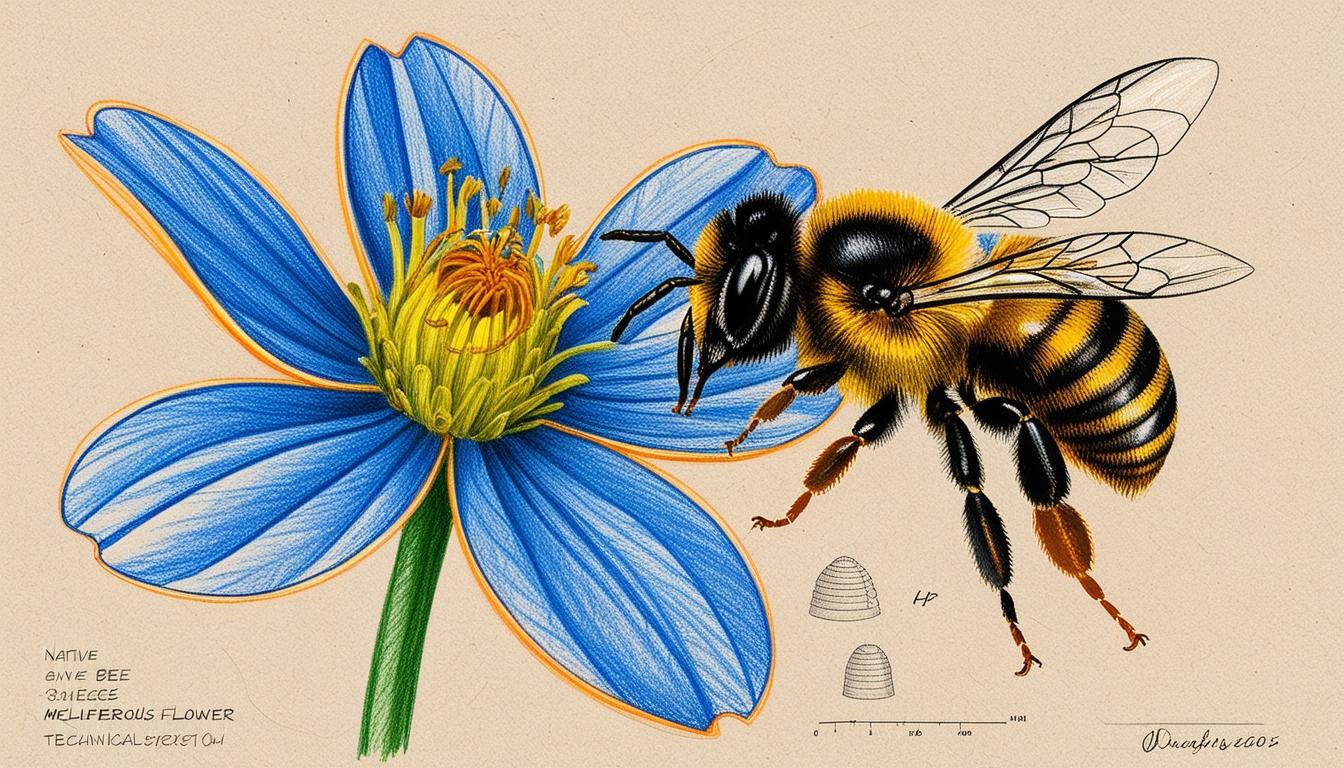
Integral to the Yalla Beena! project is the integration of melliferous plants—those rich in nectar and pollen—into the urban landscape, ensuring that the environment caters not only to aesthetic sensibilities but also to ecological needs. As part of the initiative, Green Gardenia has adopted three hives of native Apis mellifera bees, previously rescued from local urban areas, which are now instrumental in educating the public about the significance of pollinators. The potential for on-site hives and monitoring programmes at Amwaj’s forthcoming developments signals a shift in industry practice, steering away from mere ornamental landscaping towards functional ecosystems that support local wildlife.
This movement picks up momentum as other developers in the UAE also embrace biodiversity. The Sustainable City in Dubai has been a frontrunner, incorporating beehives into its My Hive programme, which was launched in 2018 and has garnered positive community engagement. Residents benefit from organic honey while being educated on the bees’ ecological roles. Similarly, projects like Keturah Reserve and Aldar’s The Wilds focus on integrating green spaces and rewilding principles in urban developments, demonstrating a desire to align residential living with nature.
While projects initiated by developers can sometimes be met with skepticism about genuine commitment versus mere marketing, the ethos of the participants in Yalla Beena! seems to favour authenticity. Hammal reflects this sentiment, stating, “We don’t want to be a tick box. This has to be real.” This notion of integrity is paramount, especially as the urgency of climate action becomes increasingly recognised across sectors.
Public interest and educational initiatives are also gaining traction, illustrated by One Hive’s campaign for the integration of beekeeping and pollinator education in local schools. This highlights a broader societal understanding of the connection between environmental health and food security, which is underlined by the statistic that bees are responsible for pollinating 75 to 80 per cent of all fruit and vegetables. Such educational outreach fosters a culture of conservation and responsibility among the younger generations, further embedding sustainability into the community fabric.
As conservationist Jane Goodall inaugurated a bee sanctuary in Expo City Dubai this year, designed as a haven for over 30,000 bees, the message is clear: the integration of nature into urban environments is not merely a luxury but a necessity for survival. As bee populations face unprecedented stress from extreme weather and changing climates, urban initiatives like Yalla Beena! serve as a model for balancing growth with ecological integrity.
The implications of these developments reach far beyond urban aesthetics; they point towards a future where humanity embraces its interconnectedness with nature. In a world where the health of bees directly correlates to our own food security and environmental stability, initiatives like Yalla Beena! stand as a beacon of hope, illustrating the profound change possible when communities and developers work hand in hand with the ecosystem.
Through these efforts, it becomes clear that the path forward is not simply about saving the bees, but rather recognising that in nurturing them, we ensure our own survival. In Hammal’s words, “We’re here to let the bees save us.”
Reference Map:
- Paragraph 1 – [1], [2]
- Paragraph 2 – [1], [2]
- Paragraph 3 – [3], [5], [6]
- Paragraph 4 – [4], [6]
- Paragraph 5 – [2], [5]
- Paragraph 6 – [3], [6]
- Paragraph 7 – [1], [2], [3]
Source: Noah Wire Services
- https://www.thenationalnews.com/climate/2025/05/31/building-a-buzz-how-uae-property-developers-are-integrating-bees-into-urban-communities/ – Please view link – unable to able to access data
- https://www.thenationalnews.com/climate/2025/05/31/building-a-buzz-how-uae-property-developers-are-integrating-bees-into-urban-communities/ – This article discusses the ‘Yalla Beena! Preserving the Pollinators of the UAE’ initiative, a collaboration between Amwaj Development, Green Gardenia Landscaping, and the One Hive Group. The project aims to reintroduce native bee species, cultivate pollinator-friendly plants, and integrate biodiversity into new developments in Hatta. The initiative addresses the decline in pollinator populations due to climate change, pesticide use, and habitat loss, emphasising the essential role of pollinators in ecosystems and food security.
- https://www.uproperties.com/case-study/urban-beekeeping/ – United Properties has implemented an urban beekeeping programme to support local and sustainable food production. By introducing beehives into urban settings, the company aims to conserve pollinators and promote environmental responsibility. The initiative has been successful, leading to plans for expansion in 2023, reflecting a commitment to sustainability and biodiversity within urban communities.
- https://www.builtenvironmentme.com/top-stories/sustainability/the-future-of-living-back-to-nature – This article explores how real estate developments in the GCC region are integrating nature to enhance residents’ well-being. It highlights projects like Keturah Reserve in Dubai, which incorporate green spaces, living walls, and rooftop beehives. These developments aim to combat climate change and promote ecological urbanism, demonstrating that sustainable living can thrive even in harsh environments.
- https://gulfnews.com/uae/inside-dubais-sustainable-city-community-what-makes-it-different-1.91842975 – The Sustainable City in Dubai is a pioneering eco-friendly community that integrates sustainability into its design. The development features solar-powered homes, green spaces, and urban farming initiatives, including beehives that produce monofloral honey. These efforts aim to reduce carbon emissions and promote a sustainable lifestyle, setting a benchmark for green urban living in the region.
- https://www.khaleejtimes.com/uae/bee-rehabilitation-initiative-turns-dubai-residents-into-beekeepers – Residents of The Sustainable City in Dubai have engaged in beekeeping through a bee rehabilitation initiative. The community has relocated wild swarms into beehives, fostering a healthy ecosystem and promoting sustainability. The project addresses the loss of natural habitats due to urbanisation and educates residents on the importance of bees in pollination and biodiversity.
- https://en.wikipedia.org/wiki/Sharjah_Sustainable_City – Sharjah Sustainable City is an environmentally conscious urban development in Sharjah, UAE, covering 7.2 million square feet. Developed by Shurooq and Diamond Developers, it features rooftop solar panels, wastewater recycling, and greenhouses producing organic vegetables. The city aims to reduce utility bills and promote a low-carbon lifestyle, serving as a model for sustainable urban development in the region.
Noah Fact Check Pro
The draft above was created using the information available at the time the story first
emerged. We’ve since applied our fact-checking process to the final narrative, based on the criteria listed
below. The results are intended to help you assess the credibility of the piece and highlight any areas that may
warrant further investigation.
Freshness check
Score:
9
Notes:
The narrative is recent, published on May 31, 2025. The ‘Yalla Beena!’ project was launched this year, indicating timely reporting. No evidence of recycled content or prior publication was found. The report includes updated data and quotes, suggesting a high freshness score. However, the integration of bee-friendly flora and the adoption of hives by Green Gardenia were reported earlier, which may indicate some recycled material. Nonetheless, the overall freshness remains high.
Quotes check
Score:
8
Notes:
The quotes from Meriem Hammal, a beekeeper and business development manager at One Hive, are unique to this report. No identical quotes were found in earlier material, suggesting original content. However, the phrasing of some quotes varies slightly from earlier reports, indicating potential paraphrasing. This does not significantly impact the originality of the content.
Source reliability
Score:
9
Notes:
The narrative originates from The National, a reputable news organisation in the UAE. The report includes references to other credible sources, such as Gulf News and Khaleej Times, enhancing its reliability. The entities mentioned, including Amwaj Development, Green Gardenia Landscaping, and One Hive Group, have verifiable online presences, supporting the authenticity of the information.
Plausability check
Score:
9
Notes:
The claims about the ‘Yalla Beena!’ project and the integration of bee-friendly practices by UAE property developers are plausible and align with recent environmental initiatives in the region. The narrative provides specific details, such as the adoption of hives by Green Gardenia and the relocation of bees to the Hatta Honey Bee Discovery Centre, which are consistent with reported activities. The tone and language are appropriate for the subject matter and region, with no inconsistencies noted.
Overall assessment
Verdict (FAIL, OPEN, PASS): PASS
Confidence (LOW, MEDIUM, HIGH): HIGH
Summary:
The narrative is recent, with original quotes and a reliable source. While some content may have been reported earlier, the overall freshness and originality are high. The claims are plausible, and the entities mentioned are verifiable, supporting the credibility of the report.


