





Dubai-based Armela is set to launch a horizontal, high-tech strawberry farm, marking a significant step in its strategy to diversify and localise food production in the UAE, alongside testing broccoli cultivation to reduce imports.
Armela, a Dubai-based agri-tech company, is gearing up to launch a horizontal, high-tech strawberry farm as part of its broader mission to boost locally-grown, year-round soft fruits and leafy greens in the UAE. This move, announced by founder and CEO Avir Shah during the Gulf Food event in Dubai, indicates a shift beyond their well-established hydroponic lettuce business. Shah mentioned that this new facility will support continuous production and distribution throughout the year.
Armela already holds a dominant share of the UAE’s lettuce market, controlling roughly 80 to 85 percent of it, according to the company. They produce premium hydroponic lettuce at advanced facilities in Dubai and Abu Dhabi. Public materials indicate that their current capacity equals about 1.6 million lettuce heads annually, roughly 330 tonnes, and internal documentation notes they typically produce around 4.2 tonnes of premium lettuce every year from their high-tech setups. Besides lettuce, the company also cultivates kale and cucumbers at farms with mid- and lower-tech systems, acquired as they expand their footprint.
The planned strawberry farm will employ a horizontal design, which is quite different from the vertical-farming systems that have gained attention lately. While Armela uses both horizontal and vertical farms, Shah pointed out that they have mostly steered clear of the high-tech vertical approaches so far. Experts note that horizontal greenhouses can be more cost-effective in terms of energy and capital costs per square meter for certain crops, though the yield per hectare might be lower compared to vertical stacks that maximize space. Armela’s choice reflects a practical approach, matching technology to the economics of each crop.
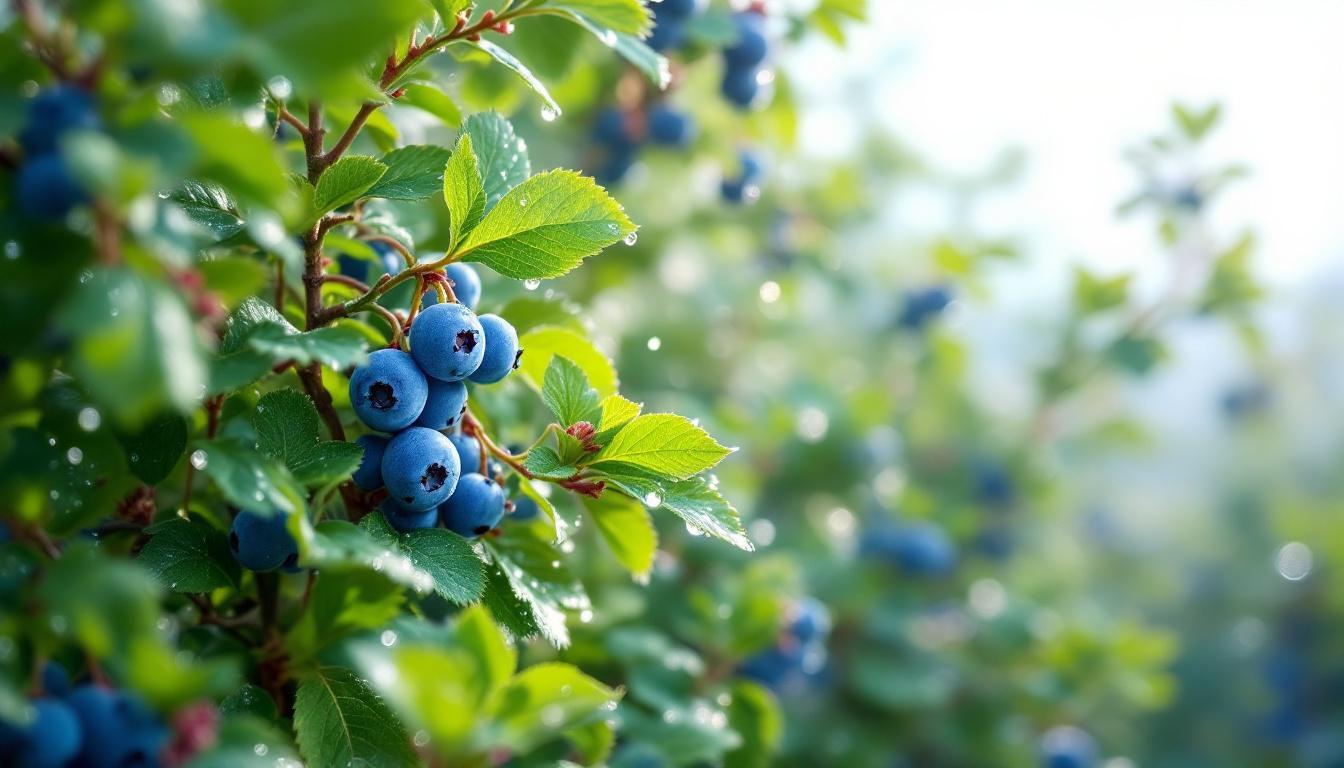
Looking ahead, Armela is also considering adding baby spinach and blueberries to its lineup. They’ve started experimenting with broccoli, which is pretty interesting given that the UAE mainly relies on imports for the vegetable. Shah told Zawya, “We’re among the largest importers of broccoli here, but now we’re testing whether we can grow it locally all year round using mid-tech greenhouse methods.” If they succeed, locally grown broccoli could cut down on imports and shorten supply chains, something that’s quite significant since the vegetable is currently sourced mainly from East Africa.
This expansion fits well within the UAE’s bigger policy goals around food security and resilience. The government is actively promoting controlled-environment agriculture to reduce vulnerabilities caused by long, complex import chains. On their website, Armela describes itself as a tech-savvy contributor to this vision, transforming unused desert land into productive indoor farms and offering pesticide-free, locally-grown greens.
Their integrated model combines hydroponic systems with on-site storage, packing, and distribution facilities. Attesting to this, Armela claims that such capabilities allow for fresher produce with longer shelf lives, which benefits urban consumers. That said, different sources sometimes show slight discrepancies when it comes to actual productivity figures. A Zawya press release and the company’s own website list different annual capacities, these differences are pretty common in the controlled-environment farming industry, where output can fluctuate from year to year depending on crop choices, facility utilization, and seasonal market demands.
Supported by AWR, a local UAE investor, Armela has grown through a combination of building new facilities and acquiring farms. They aim to blend high-tech hydroponics with lower-cost mid-tech greenhouses where appropriate, a strategy that helps reduce costs when scaling up for certain crops like cucumbers or kale. Meanwhile, they reserve their more expensive indoor systems for premium products, certain salad mixes or specialty berries that fetch higher prices.
Venturing into strawberries and blueberries means entering a more complex market. Growing soft fruits in such controlled environments requires precise climate control, effective pollination strategies, and attention to varietal selection. For blueberries, especially in the subtropical climate of the UAE, aspects like acidity and chilling hours can be tricky. While strawberries are a bit easier to grow year-round indoors, they still need significant energy and labor, success will hinge on choosing the right cultivars, managing pests, ensuring proper pollination, and offering competitive prices compared to imported fruit.
Local production also offers environmental advantages, if water and energy are managed carefully. Hydroponic systems tend to use less water per kilogram of produce versus open-field farming. Armela highlights its eco-friendly lettuce grown with water and emphasizes its pesticide-free status. Still, critics point out that the carbon footprint of indoor farms depends heavily on the electricity source and cooling needs, especially in the Gulf’s hot climate. Some companies are exploring hybrid methods, using passive cooling, efficient LED lighting, and renewable energy, to lower emissions over a product’s lifecycle.
For UAE retail and hospitality sectors, a more reliable local supply is very appealing. Shorter supply chains mean faster delivery, fresher produce, and fewer disruptions from international shipping issues. If Armela’s expansions into year-round fruits and vegetables take off, it could really strengthen their value proposition, offering local produce that’s steady and trustworthy.
Moving forward, Armela will focus on finalizing the design of their strawberry facility, running tests for broccoli, an important step considering the UAE’s dependence on imports, and evaluating the potential for growing baby spinach and blueberries. The company has not yet announced a specific timeline for commercial harvests from the new strawberry farm. Meanwhile, its current operations continue to supply the UAE with hydroponic greens, as they stick to their strategy of combining high-tech solutions with more practical, lower-tech methods to maximize local food production.
- https://www.hortidaily.com/article/9806831/uae-agritech-firm-eyes-new-strawberry-facility/ – Please view link – unable to able to access data
- https://www.hortidaily.com/article/9806831/uae-agritech-firm-eyes-new-strawberry-facility/ – Armela, a UAE-based agritech firm, is finalising plans for a high-tech strawberry facility and evaluating the production of baby spinach and blueberries. Founder and CEO Avir Shah stated that these initiatives aim to support year-round production and distribution. Armela holds an 80–85% share of the UAE’s lettuce market and is expanding into kale and cucumber through farm acquisitions. The company produces an average of 4.2 tonnes of premium hydroponic lettuce annually from its facilities in Dubai and Abu Dhabi and is conducting trials for broccoli, a crop it currently imports from Kenya.
- https://www.zawya.com/en/press-release/armela-farms-brings-a-simply-fresh-perspective-to-the-united-arab-emirates-paf2f52l – Armela Farms is the leading expert in hydroponic farming and the largest producer of water-grown lettuce in the UAE, with a current production capacity of 1.6 million lettuce heads, equivalent to 330 tonnes per year. The company utilises cutting-edge hydroponic growing technology, on-site storage, packing, and local distribution methods to redefine the local food supply. By producing natural, eco-friendly, locally grown, farm-fresh, 100%-pesticide-free products, Armela Farms continuously reaffirms its commitment to feeding people in cities in a way that is positive for the environment.
- https://www.armelafarms.com/about-us/ – Armela Farms is dedicated to promoting food security in the UAE by leveraging technology to enable sustainable food production on unused desert land. Their mission is to sell high-quality hydroponic produce, promoting healthy living in the UAE and offering fresher, tastier, and longer-lasting greens. The company started with a vision to grow nutritious greens in the desert, creating a pioneering indoor environment that enables the effective growth of tasty greens in the UAE.
- https://www.armelafarms.com/contact-us/ – Armela Farms provides contact information for inquiries, including a phone number (+971 4 442 5871), email address ([email protected]), and physical address (PO Box 336508, Dubai, United Arab Emirates). They offer customer support and encourage questions via email, promising a prompt response.
- https://www.armelafarms.com/ – Armela Farms is redefining local food supply by utilising hydroponic growing technology, on-site storage, packaging, and distribution methods. They are committed to feeding people in cities in an environmentally positive way, offering fresher, tastier, and longer-lasting greens to promote healthy living in the UAE.
- https://www.eyeofriyadh.com/news/details/armela-farms-brings-a-simply-fresh-perspective-to-the-united-arab-emirates – Armela Farms is the leading expert in hydroponic farming and the largest producer of water-grown lettuce in the UAE, with a current production capacity of 1.6 million lettuce heads, equivalent to 330 tonnes per year. The company utilises cutting-edge hydroponic growing technology, on-site storage, packing, and local distribution methods to redefine the local food supply. By producing natural, eco-friendly, locally grown, farm-fresh, 100%-pesticide-free products, Armela Farms continuously reaffirms its commitment to feeding people in cities in a way that is positive for the environment.
Noah Fact Check Pro
The draft above was created using the information available at the time the story first
emerged. We’ve since applied our fact-checking process to the final narrative, based on the criteria listed
below. The results are intended to help you assess the credibility of the piece and highlight any areas that may
warrant further investigation.
Freshness check
Score:
8
Notes:
The article was published on 2 February 2026, reporting on Armela’s plans announced during the Gulf Food event in Dubai. ([hortidaily.com](https://www.hortidaily.com/article/9806831/uae-agritech-firm-eyes-new-strawberry-facility/?utm_source=openai)) Similar information was reported by Zawya on 29 January 2026. ([tradingview.com](https://www.tradingview.com/news/reuters.com%2C2026-01-29%3Anewsml_ZawKjdVg%3A0-zawya-projects-uae-agritech-firm-armela-eyes-new-crops-as-it-scales-high-tech-farming/?utm_source=openai)) The slight discrepancy in publication dates suggests the content is fresh, but the earlier report indicates the news has been in circulation for over a week, which may affect its novelty.
Quotes check
Score:
7
Notes:
The article includes direct quotes from Avir Shah, CEO of Armela. ([hortidaily.com](https://www.hortidaily.com/article/9806831/uae-agritech-firm-eyes-new-strawberry-facility/?utm_source=openai)) A search for these quotes reveals they are also present in the Zawya article from 29 January 2026. ([tradingview.com](https://www.tradingview.com/news/reuters.com%2C2026-01-29%3Anewsml_ZawKjdVg%3A0-zawya-projects-uae-agritech-firm-armela-eyes-new-crops-as-it-scales-high-tech-farming/?utm_source=openai)) This repetition suggests the quotes may have been reused, raising concerns about originality.
Source reliability
Score:
6
Notes:
The article originates from HortiDaily, a niche publication focusing on horticulture. While it provides industry-specific news, its reach and influence are limited compared to major news organisations. ([hortidaily.com](https://www.hortidaily.com/article/9806831/uae-agritech-firm-eyes-new-strawberry-facility/?utm_source=openai)) The reliance on a single, specialised source may affect the overall reliability of the information.
Plausibility check
Score:
8
Notes:
The claims about Armela’s market share and production capacities align with information from other sources. ([zawya.com](https://www.zawya.com/en/press-release/armela-farms-brings-a-simply-fresh-perspective-to-the-united-arab-emirates-paf2f52l?utm_source=openai)) However, the article lacks specific details about the strawberry facility’s design and timeline, which are crucial for assessing the feasibility of the expansion plans.
Overall assessment
Verdict (FAIL, OPEN, PASS): FAIL
Confidence (LOW, MEDIUM, HIGH): MEDIUM
Summary:
The article presents information about Armela’s expansion plans, but the reliance on a single, niche source and the reuse of quotes from earlier reports raise concerns about the freshness and originality of the content. The lack of independent verification and specific details about the strawberry facility’s design and timeline further diminish the credibility of the report. Given these issues, the article does not meet the necessary standards for publication.


