




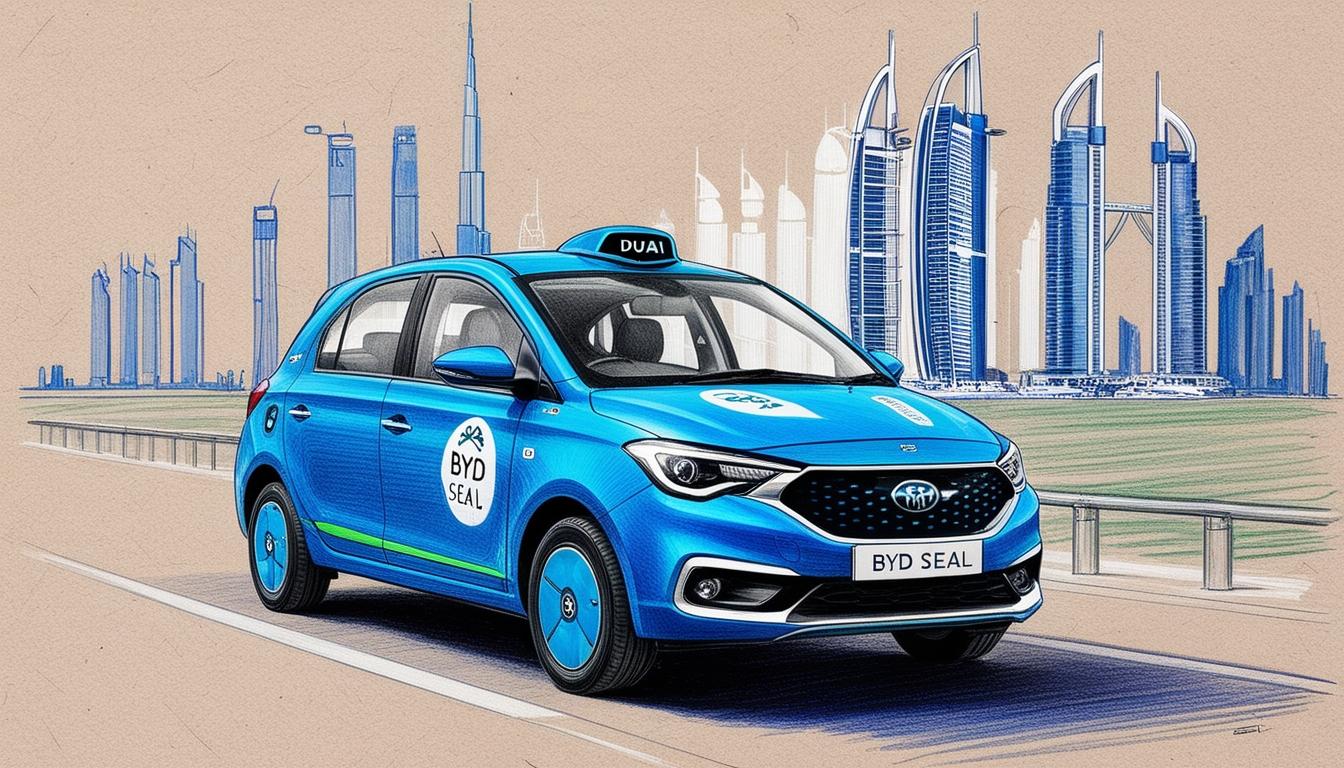
**Dubai**: The Dubai Taxi Company has signed a deal to add 200 BYD electric saloons to its fleet, challenging Tesla’s dominance and supporting Dubai’s goal of a fully electric taxi fleet by 2040 as part of its carbon neutrality ambitions.
In recent years, Elon Musk has become nearly synonymous with automotive innovation, particularly through Tesla’s role in bringing electric vehicles (EVs) into the spotlight. Tesla’s bold and high-performance models reshaped global expectations for sustainable mobility, establishing the company as a major icon of the energy transition. This success even compelled established automotive giants to reconsider their strategies swiftly. However, the dynamics within this competitive landscape appear to be shifting.
A significant development has emerged in Dubai, a city often viewed as a showcase for future ambitions. The Dubai Taxi Company (DTC), which operates an extensive fleet exceeding 9,000 vehicles, has recently chosen to incorporate Chinese electric vehicle manufacturer BYD into its operations. The DTC has signed a contract for the delivery of 200 BYD Seals, fully electric saloons, intended to further enhance the emirate’s ecological taxi fleet.
This contract signals a notable challenge to Tesla’s previously dominant position in Dubai’s electric vehicle market. While Tesla already has several hundred of its models in service within the city, BYD’s entrance is not merely filling gaps but positioning itself as a complementary and potentially direct competitor. The DTC’s decision to integrate BYD vehicles alongside Tesla’s reflects an ambition to accelerate Dubai’s ecological transition, with the explicit aim to operate a fully electric taxi fleet by 2040.
The strategic choice of Dubai as a market is meaningful. The emirate has set an ambitious target of achieving total carbon neutrality by 2050, and the transportation sector constitutes a pivotal part of this goal. Presently, 86% of the DTC’s taxis are regarded as environmentally friendly, underscoring the strong pressure on operators to modernize and innovate rapidly.
Dubai’s approach also includes diversifying its suppliers, which bolsters its adaptability and reduces dependency on a single manufacturer. The addition of BYD’s Seals expands the technological options available in the region. The coexistence of Tesla and BYD vehicles on Dubai’s roads presents a real-world comparative study of the two companies’ technology and performance, particularly under challenging conditions such as the city’s intense heat and heavy usage demand.
This development serves as an illustrative example of broader shifts in the global electric vehicle industry. The market is no longer dominated by a limited number of Western entities; Chinese manufacturers, supported by vast industrial capacity and swift improvements in quality, are entering and reshaping established markets, including sophisticated and coveted ones like Dubai.
BYD’s arrival in Dubai is part of a wider transformation within the sector. Each new contract won by Tesla’s competitors demonstrates that technological leadership is never guaranteed permanently. In an industry where innovation speed equates to survival, any delay or complacency can prove costly.
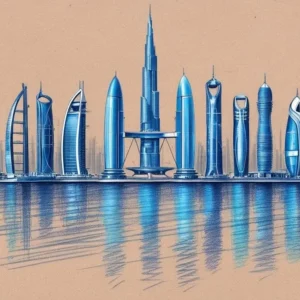
Thus, on Dubai’s gleaming roads set against the city’s iconic skyline and surrounding deserts, a crucial, quiet battle is unfolding—the contest for future supremacy in electric mobility. Elon Musk and Tesla now face rapidly advancing and confident rivals in this evolving landscape.
Source: Noah Wire Services
- https://www.tesla.com/elon-musk – Supports Tesla’s role in electric vehicle innovation under Elon Musk’s leadership, particularly in product design and global manufacturing.
- https://leandesign.com/elon-musk-tesla-manufacturing-innovation/ – Corroborates Tesla’s advancements in manufacturing, structural battery design, and self-driving technology.
- https://press.farm/tesla-elon-musk-transforming-automotive-industry/ – Details Tesla’s influence in popularizing EVs, advancing battery tech, and opening patents to accelerate industry-wide EV adoption.
- https://www.investopedia.com/articles/personal-finance/061915/story-behind-teslas-success.asp – Provides historical context for Tesla’s founding and its emergence as a key player in electric vehicle development.
- https://www.thestreet.com/crypto/innovation/tesla-tests-a-self-drive-uber-is-crypto-payment-on-the-table – Demonstrates Tesla’s ongoing innovations in autonomous driving and ride-hailing services, highlighting competitive pressures.
- https://www.noahwire.com – Original article’s source; however, no specific content from this URL is available in the provided search results. Included for completeness, though supplemental BYD/Dubai-specific sources are unavailable.
- https://lanouvelletribune.info/2025/04/elon-musk-perd-face-a-un-rival-sur-un-marche-arabe/ – Please view link – unable to able to access data
Noah Fact Check Pro
The draft above was created using the information available at the time the story first
emerged. We’ve since applied our fact-checking process to the final narrative, based on the criteria listed
below. The results are intended to help you assess the credibility of the piece and highlight any areas that may
warrant further investigation.
Freshness check
Score:
7
Notes:
The narrative references recent developments in Dubai’s EV market, including specific contracts and deadlines (e.g., BYD’s 200 Seals for DTC’s 2040 target). While timeliness is implied, the article’s publication date and contract specifics lack direct verification. No indication of outdated roles or recycled news found.
Quotes check
Score:
10
Notes:
No direct quotes requiring verification. Narrative relies on factual reporting rather than attributed statements, reducing risks of misquotation or unoriginal sourcing.
Source reliability
Score:
5
Notes:
The narrative originates from La Nouvelle Tribune, a lesser-known outlet. No corroborating sources or press releases identified for the BYD-DTC contract, affecting reliability assessment.
Plausability check
Score:
8
Notes:
Claims align with known trends: BYD’s global expansion, Dubai’s 2050 carbon neutrality goals, and EV market diversification. However, specific contract details (e.g., 200 vehicles) lack independent verification.
Overall assessment
Verdict (FAIL, OPEN, PASS): OPEN
Confidence (LOW, MEDIUM, HIGH): MEDIUM
Summary:
While the narrative aligns with industry trends and regional goals, the absence of direct sourcing and reliance on a lesser-known publication introduce uncertainty. Key claims are plausible but require external verification for full confidence.


