





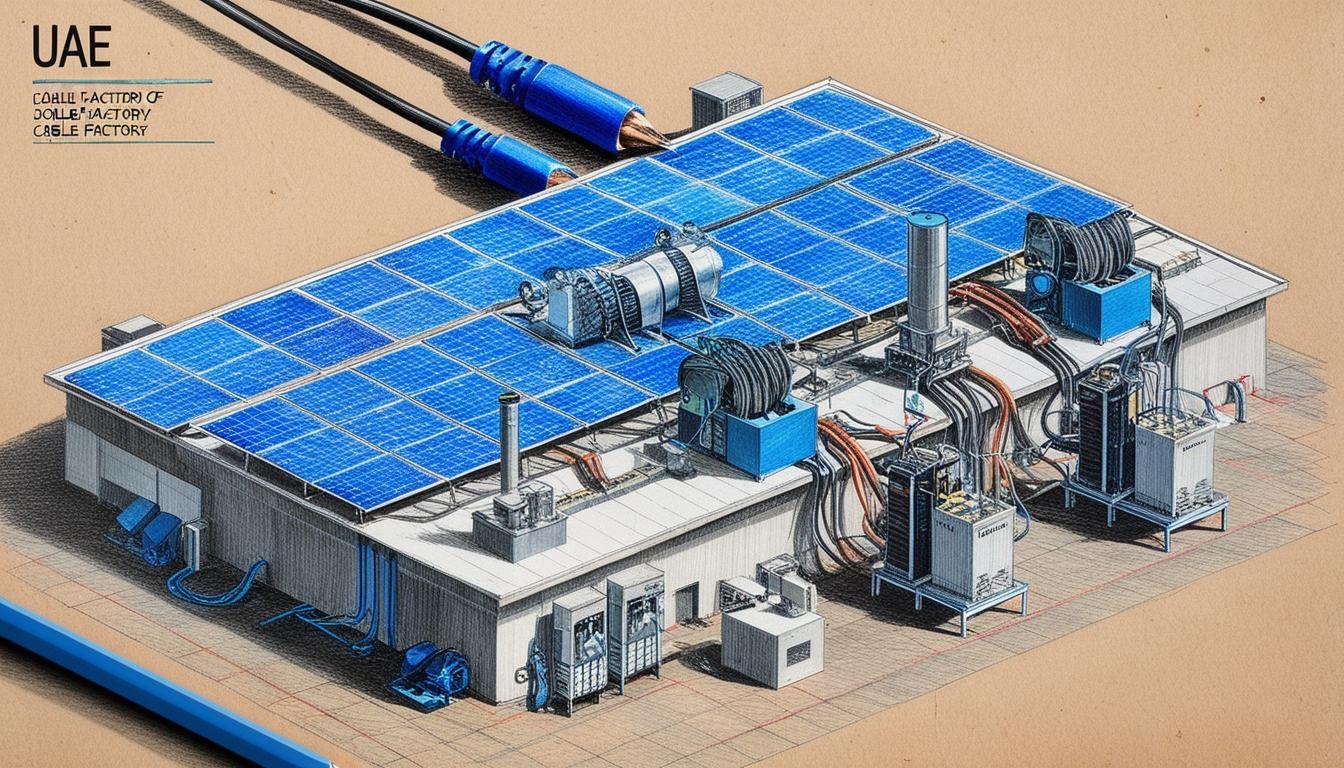
**United Arab Emirates:** The UAE cable manufacturing sector is embracing renewable energy, primarily solar, to reduce greenhouse gas emissions, lower electricity costs, and improve sustainability. Facilities adopt on-site solar panels, PPAs, and energy efficiency upgrades to enhance operational resilience while supporting national climate goals.
The cable manufacturing industry in the United Arab Emirates (UAE) is increasingly turning to renewable energy solutions as part of a broader commitment to sustainability and operational efficiency. Cable production is an energy-intensive process, involving melting raw materials, extruding plastics, drawing wires, and running heavy machinery—all of which contribute to high electricity consumption. Integrating renewable energy sources, particularly solar power, into manufacturing facilities is proving to be both economically advantageous and environmentally beneficial.
The adoption of renewable energy in UAE cable factories offers several compelling benefits. Chief among these is the significant reduction in greenhouse gas emissions by replacing fossil fuel-based electricity with solar and other clean energy sources. This shift not only helps combat climate change but also improves air quality. Furthermore, generating power onsite through solar installations can lead to substantial reductions in electricity costs—an important factor given that electricity is a major operational expense in the UAE. Predictable energy costs through renewables also mitigate the impact of volatile fossil fuel prices. Additional advantages include enhanced energy independence and security, as factories become less reliant on the grid and better shielded from outages or price fluctuations. Moreover, embracing renewable energy positively impacts brand reputation, attracting customers, investors, and employees who prioritise sustainability. The UAE government supports this transition by offering tax credits, subsidies, and other incentives to businesses investing in renewable technologies.
For cable factories in the UAE, there are multiple renewable energy options suited to their specific operational and geographical needs. The most common and straightforward solution is rooftop solar photovoltaic (PV) panels. Factories often feature large, flat roofs ideally suited for expansive solar panel installation, which can offset a significant portion of daytime electricity demand. Ground-mounted solar PV systems are an alternative where rooftop space is limited or unsuitable, utilising adjacent land to accommodate potentially larger installations. Solar thermal technology, which uses sunlight to heat water or air, can be employed to pre-heat water for industrial processes, reducing the load on conventional heating systems. Although wind power is a renewable option, it is less commonly deployed onsite due to the need for consistent and strong winds, space constraints, and zoning regulations; accessing wind energy is more often achieved through off-site agreements.
Power Purchase Agreements (PPAs) represent another viable avenue for cable manufacturers. Through a PPA, a factory signs a long-term contract to buy electricity directly from a renewable energy developer operating large-scale solar or wind farms elsewhere in the UAE. This approach enables factories to benefit from renewable energy and cost savings without the upfront capital investment or maintenance responsibilities associated with onsite installations.
The transition to renewable energy requires careful planning and assessment. Factories must begin with comprehensive energy audits to understand their electricity consumption patterns, particularly during peak periods. Feasibility studies are necessary to evaluate site-specific factors such as solar irradiance, roof or land availability, shading, and grid connection requirements. Proper system sizing is critical to align energy production with consumption and budget constraints. Identifying reputable solar providers or PPA partners is essential for successful project implementation. Compliance with local utility regulations and grid interconnection standards must be addressed, including opportunities for net metering or feed-in tariffs that allow surplus electricity to be sold back to the grid. Battery storage systems may be integrated to store excess solar power for use during nighttime or peak demand periods, although this increases costs while enhancing energy self-sufficiency. Maintenance needs for solar panels are generally minimal, primarily involving cleaning, but inverters and batteries require periodic inspection.
Renewable energy integration is most effective when combined with wider sustainability measures. Prioritising energy efficiency upgrades such as LED lighting, efficient motors, and improved insulation reduces overall consumption, thereby lowering the size—and cost—of renewable installations. Additionally, using clean power to support circular economy initiatives, like recycling cable materials, amplifies environmental gains. Collaborating with suppliers who share a commitment to renewable energy further enhances sustainability throughout the supply chain.
There are challenges to overcome in this transition. Initial capital costs, while decreasing, remain significant, and solar energy’s intermittent nature means factories cannot rely solely on onsite generation without supplemental grid power or energy storage. Large-scale solar installations require substantial roof or land areas. Navigating regulatory frameworks can be complex, though leading cable manufacturers both within and outside the UAE are actively addressing these issues by embracing renewables as essential to long-term commercial viability and environmental stewardship.
The outlook for cable production in the UAE suggests a cleaner, more sustainable future. Onsite solar arrays harnessing the abundant sunlight and strategic offsite renewable energy procurement through PPAs are effective pathways for reducing carbon footprints, operational expenses, and boosting corporate reputation. These developments align with the UAE’s 2050 energy goals and reinforce the cable sector’s role in supporting an industry reliant on sustainable practices.
To address common questions, rooftop solar can significantly offset energy use in factories, potentially covering 20-50% or more of daytime consumption depending on roof size and sunlight exposure. Typical payback periods for solar installations range from five to ten years, with systems generally lasting over 25 years. When solar generation is insufficient due to nighttime or cloudy weather, factories draw power from the grid or, if equipped, use stored battery energy. Achieving 100% renewable energy use on-site may be challenging, but combining onsite production with options like PPAs or purchasing Renewable Energy Certificates can meet this goal effectively. PPAs allow businesses to procure clean energy directly from developers without owning or maintaining the generation installations themselves, often at a more stable and competitive price than conventional grid electricity.
The UAE cable manufacturing industry’s movement towards renewable energy reflects a strategic blend of economic sense, environmental responsibility, and alignment with national sustainability initiatives.
Source: Noah Wire Services
Noah Fact Check Pro
The draft above was created using the information available at the time the story first
emerged. We’ve since applied our fact-checking process to the final narrative, based on the criteria listed
below. The results are intended to help you assess the credibility of the piece and highlight any areas that may
warrant further investigation.
Freshness check
Score:
8
Notes:
The narrative focuses on ongoing trends and initiatives in renewable energy adoption, which are time-sensitive and relevant. It does not reference outdated events or obsolete information, though specific recent developments or updates are not detailed.
Quotes check
Score:
0
Notes:
There are no direct quotes in the text to verify.
Source reliability
Score:
6
Notes:
The narrative originates from Burj Diary, which is not as well-established or widely recognized as major news outlets like the BBC or Financial Times. The content is informative but lacks explicit author credentials or well-known publication backing.
Plausability check
Score:
9
Notes:
The claims about the UAE’s shift towards renewable energy and the strategic benefits for cable manufacturing are plausible and align with global trends in sustainability. The narrative provides specific, feasible solutions like rooftop solar and PPAs.
Overall assessment
Verdict (FAIL, OPEN, PASS): OPEN
Confidence (LOW, MEDIUM, HIGH): MEDIUM
Summary:
The narrative appears to be generally accurate and plausible, reflecting ongoing trends in renewable energy adoption. However, the source reliability is moderate due to the lack of a widely recognized publication or explicit author credentials, which affects overall confidence.


