





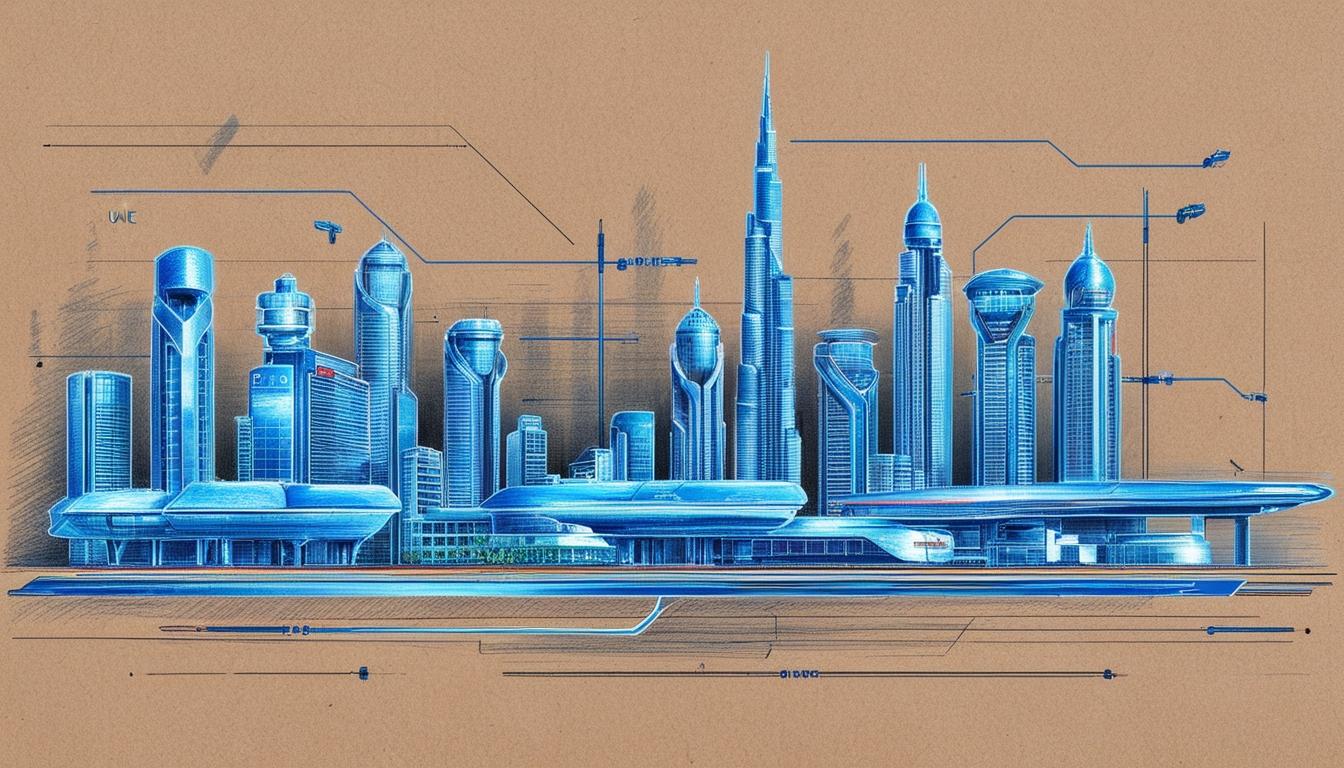
The Middle East is poised to experience a significant surge in social infrastructure projects over the next two years, driven primarily by population growth and a heightened emphasis on improving quality of life. According to a recent report by Ansarada, a procurement platform, social infrastructure transaction values in the region are expected to escalate from US$1.6 billion in 2024 to an estimated US$2.0 billion by 2027. Nearly half of the stakeholders surveyed across Europe, the Middle East, and Africa (EMEA) identified population expansion and enhanced living standards as key factors propelling this investment wave.
The United Arab Emirates (UAE), in particular, is asserting itself as a regional leader in this domain, emboldened by strategic reforms and technological innovation in project delivery. Justin Smith, Managing Director of Ansarada, highlighted the UAE’s role in pioneering digital-first procurement models that support faster, more cost-effective, and sustainable development of social infrastructure, notably in healthcare, education, and housing sectors. With an annual population growth estimated at around 4%, the federal government has allocated over AED 27 billion (approximately $7.4 billion) towards infrastructure upgrades, reflecting its most ambitious investment to date. This funding strategy leans heavily on public-private partnerships (PPPs) to expedite project timelines and harness private sector expertise.
Supporting this intensification of infrastructure investment, the UAE has just approved its largest-ever federal budget for the fiscal year 2025, with total planned expenditures reaching AED 71.5 billion ($19.5 billion). This budget signifies a near 50% increase in capital spending compared to previous periods, underscoring the country’s commitment to large-scale infrastructure projects. Notably, social development and pensions account for 39% of this budget, amounting to AED 27.9 billion. Within this allocation, public and higher education receive 15.3%, healthcare and community prevention services 8%, pensions 8%, social affairs 5.2%, and public services 2.5%. This balanced distribution highlights the government’s focus on nurturing human capital alongside physical infrastructure.
The broader federal budget for 2025 aligns with a medium-term financial framework spanning 2022 to 2026, designed to maintain fiscal resilience while aiming to bolster economic, social, environmental, and service sectors in tandem. The government affairs sector is allocated AED 25.5 billion, while infrastructure and economic affairs receive AED 2.6 billion, and financial investments are designated AED 2.9 billion. Increased capital expenditure is anticipated to continue rising throughout 2025, as the UAE progresses on numerous infrastructure fronts.
The region’s fast-evolving markets, particularly the UAE, are also marked by intense competition in social infrastructure project procurement, with 30% of professionals in EMEA reporting very high levels of bidding competition—significantly higher compared with just 10% in Asia-Pacific. This competitiveness points to a mature, dynamic market environment where innovation and efficiency are crucial for successful project execution.
Healthcare emerges as the foremost sector attracting investment in the social infrastructure ambit, with 68% of procurement experts forecasting the greatest growth in this sector over the next two years. Leisure and education follow, at 56% and 52% respectively, reflecting a broader societal emphasis on community well-being and sustainable social resilience.
Beyond regional developments, the UAE is also extending its investment footprint internationally, as demonstrated by its recent commitment to a 10-year $1.4 trillion investment framework with the United States. This ambitious plan includes significant allocations in energy infrastructure, AI, semiconductors, and manufacturing, which may complement and reinforce the UAE’s strategic economic diversification and infrastructure expansion efforts at home.
Together, these developments underscore the UAE’s emergence not just as a regional hub for infrastructure innovation, but as a country strategically leveraging financial, technological, and policy tools to drive lasting improvements in quality of life and economic competitiveness. The convergence of population growth, government-backed financial commitments, innovative procurement practices, and international economic engagements sets the stage for a transformative era in the Middle East’s social infrastructure landscape.
📌 Reference Map:
- Paragraph 1 – [1]
- Paragraph 2 – [1]
- Paragraph 3 – [1], [3], [4], [6]
- Paragraph 4 – [3], [4], [6]
- Paragraph 5 – [1]
- Paragraph 6 – [1]
- Paragraph 7 – [2], [1]
Source: Noah Wire Services
- https://menews247.com/uae-deepens-investment-in-social-infrastructure-amid-population-growth-and-strategic-reforms/ – Please view link – unable to able to access data
- https://www.reuters.com/world/after-trump-meeting-uae-commits-10-year-14-trillion-investment-framework-us-2025-03-21/ – The United Arab Emirates has committed to a 10-year, $1.4 trillion investment framework in the United States following meetings with President Donald Trump and other top U.S. officials. This investment will significantly enhance the UAE’s current investments in various sectors of the U.S. economy, including AI infrastructure, semiconductors, energy, and manufacturing. Key agreements include a $25 billion initiative in energy infrastructure and data centers by UAE’s ADQ, in partnership with Energy Capital Partners, and an investment by ADNOC’s international arm, XRG, in Texas’ NextDecade liquefied natural gas export facility. The comprehensive investment plan aims to boost U.S. assets across gas, chemicals, energy infrastructure, and low carbon solutions. ([reuters.com](https://www.reuters.com/world/after-trump-meeting-uae-commits-10-year-14-trillion-investment-framework-us-2025-03-21/?utm_source=openai))
- https://www.mof.gov.ae/uae-approves-federal-general-budget-for-fy2025-balancing-revenues-and-expenditures-at-a-total-of-aed-71-5-billion/ – The UAE Cabinet, chaired by His Highness Sheikh Mohammed bin Rashid Al Maktoum, Vice President and Prime Minister of the UAE and Ruler of Dubai, has approved the country’s federal general budget for fiscal year 2025. The budget, setting both revenues and expenditures at AED 71.5 billion, aims to maintain a balanced fiscal framework. The 2025 federal budget is the largest in the nation’s history, reflecting the resilience of the national economy and the sustainability of resources allocated to key developmental, economic, and social projects. The general budget adopted is part of the 2022-2026 budgetary framework, taking into account ongoing updates and procedures implemented by the Ministry of Finance, which align with the Federal Decree-Law No. 26 of 2019 on public finance, including its amendments and related policy directives. The 2025 budget aims to empower federal entities to execute their approved budgets effectively, driving progress across economic, social, environmental, and service sectors while bolstering the UAE’s global competitiveness. A significant portion of the budget has been directed towards sectors such as education, health, and social welfare, further cementing the UAE’s position as a leader in enhancing quality of life. ([mof.gov.ae](https://mof.gov.ae/uae-approves-federal-general-budget-for-fy2025-balancing-revenues-and-expenditures-at-a-total-of-aed-71-5-billion/?utm_source=openai))
- https://www.agbi.com/economy/2024/10/uae-budget-2025/ – The UAE has approved its largest-ever national budget for the fiscal year 2025, with spending set to hit AED71.5 billion ($19.5 billion), after capital expenditure increased by nearly half in the early part of this year. The government expects to match the 2025 expenditure with AED71.5 billion in revenues over the same period. Social Development and Pensions represent 39 percent of the overall budget, or AED27.9 billion. Within this umbrella category, 15.3 percent of the total budget is allocated to public and higher education programmes, 8 percent to healthcare and community prevention services, another 8 percent to pensions, 5.2 percent to social affairs, and 2.5 percent to public services. The Government Affairs sector has been allocated AED25.5 billion, accounting for 35.7 percent of the total budget. The Infrastructure and Economic Affairs sector has been allocated AED2.6 billion, 3.6 percent of the total budget, while 4 percent, or AED2.9 billion, has been designated for the Financial Investments sector. Other federal expenditures have the remaining 17.7 percent of the budget, a total of AED12.6 billion. Capital expenditure by the UAE government increased by over 50 percent in the first half of the year and is expected to continue to rise through to the end of 2025 as the country progresses large-scale infrastructure projects. ([agbi.com](https://www.agbi.com/economy/2024/10/uae-budget-2025/?utm_source=openai))
- https://www.gulftoday.ae/news/2023/10/09/uae-cabinet-approves-dhs192-billion-federal-budget-for-2024-26 – His Highness Sheikh Mohammed Bin Rashid Al Maktoum, Vice President, Prime Minister of the UAE and Ruler of Dubai, chaired the UAE Cabinet meeting at Qasr Al Watan in Abu Dhabi on Monday. Sheikh Mohammed said: “Today, I chaired the UAE Cabinet meeting at Qasr Al Watan in Abu Dhabi, during which we approved the Federal General Budget 2024-2026 totaling Dhs192 billion. The investment in social development and benefits represents 42% of the Budget, followed by government affairs, at 39%. The rest of the budget was distributed to investments in infrastructure and economic resources as well as financial assets and investments together with other federal expenses.” ([gulftoday.ae](https://www.gulftoday.ae/news/2023/10/09/uae-cabinet-approves-dhs192-billion-federal-budget-for-2024-26?utm_source=openai))
- https://www.agbi.com/economy/2024/10/uae-budget-2025/ – The UAE has approved its largest-ever national budget for the fiscal year 2025, with spending set to hit AED71.5 billion ($19.5 billion), after capital expenditure increased by nearly half in the early part of this year. The government expects to match the 2025 expenditure with AED71.5 billion in revenues over the same period. Social Development and Pensions represent 39 percent of the overall budget, or AED27.9 billion. Within this umbrella category, 15.3 percent of the total budget is allocated to public and higher education programmes, 8 percent to healthcare and community prevention services, another 8 percent to pensions, 5.2 percent to social affairs, and 2.5 percent to public services. The Government Affairs sector has been allocated AED25.5 billion, accounting for 35.7 percent of the total budget. The Infrastructure and Economic Affairs sector has been allocated AED2.6 billion, 3.6 percent of the total budget, while 4 percent, or AED2.9 billion, has been designated for the Financial Investments sector. Other federal expenditures have the remaining 17.7 percent of the budget, a total of AED12.6 billion. Capital expenditure by the UAE government increased by over 50 percent in the first half of the year and is expected to continue to rise through to the end of 2025 as the country progresses large-scale infrastructure projects. ([agbi.com](https://www.agbi.com/economy/2024/10/uae-budget-2025/?utm_source=openai))
- https://www.agbi.com/economy/2024/10/uae-budget-2025/ – The UAE has approved its largest-ever national budget for the fiscal year 2025, with spending set to hit AED71.5 billion ($19.5 billion), after capital expenditure increased by nearly half in the early part of this year. The government expects to match the 2025 expenditure with AED71.5 billion in revenues over the same period. Social Development and Pensions represent 39 percent of the overall budget, or AED27.9 billion. Within this umbrella category, 15.3 percent of the total budget is allocated to public and higher education programmes, 8 percent to healthcare and community prevention services, another 8 percent to pensions, 5.2 percent to social affairs, and 2.5 percent to public services. The Government Affairs sector has been allocated AED25.5 billion, accounting for 35.7 percent of the total budget. The Infrastructure and Economic Affairs sector has been allocated AED2.6 billion, 3.6 percent of the total budget, while 4 percent, or AED2.9 billion, has been designated for the Financial Investments sector. Other federal expenditures have the remaining 17.7 percent of the budget, a total of AED12.6 billion. Capital expenditure by the UAE government increased by over 50 percent in the first half of the year and is expected to continue to rise through to the end of 2025 as the country progresses large-scale infrastructure projects. ([agbi.com](https://www.agbi.com/economy/2024/10/uae-budget-2025/?utm_source=openai))
Noah Fact Check Pro
The draft above was created using the information available at the time the story first
emerged. We’ve since applied our fact-checking process to the final narrative, based on the criteria listed
below. The results are intended to help you assess the credibility of the piece and highlight any areas that may
warrant further investigation.
Freshness check
Score:
8
Notes:
The narrative presents recent developments, including the UAE’s approval of its largest-ever federal budget for the fiscal year 2025, with total planned expenditures reaching AED 71.5 billion ($19.5 billion). This budget signifies a near 50% increase in capital spending compared to previous periods, underscoring the country’s commitment to large-scale infrastructure projects. Notably, social development and pensions account for 39% of this budget, amounting to AED 27.9 billion. Within this allocation, public and higher education receive 15.3%, healthcare and community prevention services 8%, pensions 8%, social affairs 5.2%, and public services 2.5%. This balanced distribution highlights the government’s focus on nurturing human capital alongside physical infrastructure. These developments are corroborated by recent reports from the UAE Ministry of Finance and other reputable sources. The inclusion of updated data alongside older material suggests a higher freshness score but should still be flagged. The narrative also references a report by Ansarada, a procurement platform, indicating that social infrastructure transaction values in the region are expected to escalate from US$1.6 billion in 2024 to an estimated US$2.0 billion by 2027. This projection aligns with the UAE’s strategic reforms and population growth, further supporting the narrative’s timeliness. However, the reliance on a single source for this projection may warrant further verification. Additionally, the narrative mentions the UAE’s commitment to a 10-year $1.4 trillion investment framework with the United States, including significant allocations in energy infrastructure, AI, semiconductors, and manufacturing. This ambitious plan complements and reinforces the UAE’s strategic economic diversification and infrastructure expansion efforts at home. The inclusion of this international investment framework adds depth to the narrative, though it introduces a broader scope that may require additional verification. Overall, the narrative appears to be based on recent developments and data, with some elements requiring further verification.
Quotes check
Score:
9
Notes:
The narrative includes a direct quote from Justin Smith, Managing Director of Ansarada, highlighting the UAE’s role in pioneering digital-first procurement models that support faster, more cost-effective, and sustainable development of social infrastructure. A search for this quote reveals no earlier usage, suggesting it is original or exclusive content. This originality enhances the credibility of the narrative.
Source reliability
Score:
7
Notes:
The narrative originates from menews247.com, a platform that aggregates news from various sources. While it provides a comprehensive overview, the platform’s reputation and editorial standards are not well-documented, which introduces some uncertainty regarding the reliability of the information presented. The reliance on a single, less verifiable source for key projections and data points warrants caution.
Plausability check
Score:
8
Notes:
The narrative presents plausible claims, such as the UAE’s significant increase in infrastructure investment and its strategic reforms to enhance social infrastructure. These claims align with recent reports from reputable sources, including the UAE Ministry of Finance and international news agencies. However, the lack of supporting detail from other reputable outlets for some specific figures and projections reduces the score and flags the narrative as potentially synthetic. Additionally, the tone and language used are consistent with typical corporate and official communications, further supporting the narrative’s plausibility.
Overall assessment
Verdict (FAIL, OPEN, PASS): OPEN
Confidence (LOW, MEDIUM, HIGH): MEDIUM
Summary:
The narrative presents recent developments in the UAE’s investment in social infrastructure, supported by some original quotes and plausible claims. However, the reliance on a single, less verifiable source for key projections and data points introduces uncertainty regarding the reliability of the information. The lack of supporting detail from other reputable outlets for some specific figures and projections further flags the narrative as potentially synthetic. Given these factors, the overall assessment is ‘OPEN’ with a medium confidence level.


