




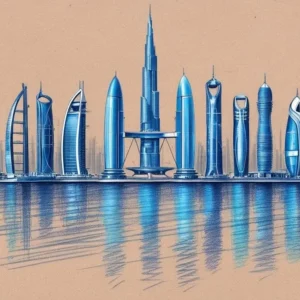
**Dubai**: Dubai AI Week 2025 focused on the UAE’s approach to meeting rising energy demands from AI infrastructure, aiming for renewable-powered data centres by 2033, while exploring AI’s impact on digital identities and workforce transformation in the region.
The rapid expansion of artificial intelligence (AI) technologies is significantly impacting global energy consumption patterns, with considerable implications for the Middle East, especially the United Arab Emirates (UAE). Experts speaking during Dubai AI Week 2025 highlighted the challenges and opportunities posed by the soaring electricity demands linked to AI infrastructure, notably data centres.
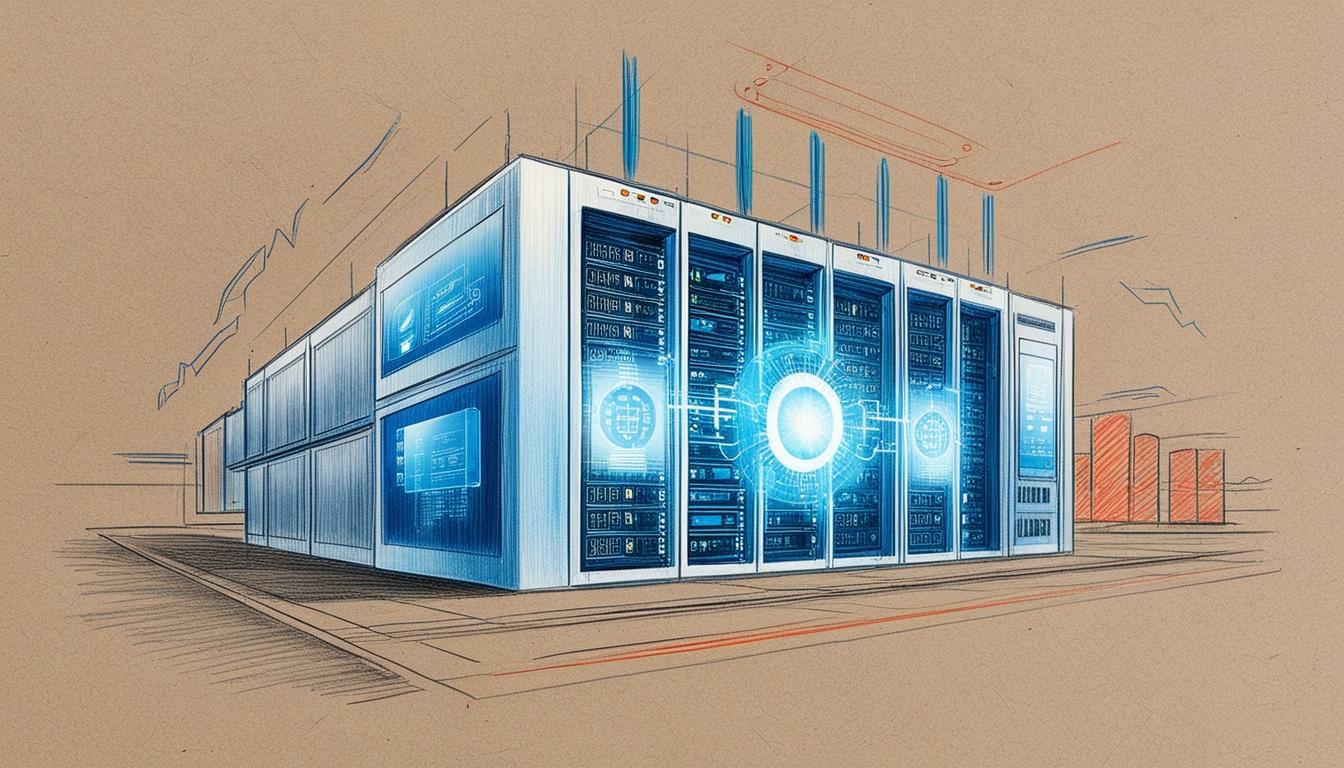
Data centres, critical to AI functionality, are known for their substantial power consumption. Mansour Belhadj, general manager at Microsoft, stated that by 2026, data centres worldwide are expected to use between 600 and 690 terawatt-hours (TWh) of electricity. Of this, approximately 60 percent will be attributed to AI execution tasks, with the remaining 40 percent consumed by training AI models. This surge presents a major energy challenge, given that U.S. data centres alone accounted for more than 4 percent of national electricity use in 2023, a figure projected to rise to 9 percent by 2030, according to the Electric Power Research Institute (EPRI).
Zaid Al Ansari, an executive director at EPRI, elaborated on this issue during the session ‘AI’s Energy Future: Strategies for Sustainability’ at Dubai AI Week. He underscored that AI-related operations, such as running queries through models like ChatGPT, consume up to ten times more energy than a traditional internet search. The rising energy demand is prompting some nations to postpone their transitions to renewable energy or even extend the operation of fossil fuel power plants to keep pace with AI growth.
Against this backdrop, the UAE is positioned advantageously in the regional energy landscape. Dr Mounir Boukadidi, regional director for Oracle Energy & Water MEA, highlighted that the UAE produces approximately 166 TWh of electricity annually, while consumption stands at around 158 TWh. Dubai is actively pursuing ambitions to become a regional hub for AI-powered data centres fully operating on renewable energy sources by 2033. This strategy potentially enables the UAE to engage more actively in regional energy trading, supplying power to AI infrastructure across neighbouring countries.
The discussions at Dubai AI Week extended beyond energy concerns to explore the emerging social and professional impact of AI avatars. Joe Youssef Malek, vice president for executive programmes at Gartner covering the Gulf, India, and emerging markets, spoke about a future where individuals might maintain distinct AI-generated personas for work and social interactions. However, the rise of such digital identities raises significant questions.
Dr Patrick Noack, executive director of future foresight at Dubai Future Foundation, cautioned regarding the licensing of digital personas. He pointed out the philosophical and ethical dilemmas about ownership of these AI-generated identities, querying whether control lies with the human being, the outsourced AI version, or potentially the employer if the digital persona is owned by them.
The workforce implications of AI were also a focal point during the event. Mostafa Sallam, HR leader at Microsoft, emphasised that AI’s role is likely to be one of redeployment rather than outright replacement of workers, with the ultimate impact shaped by organisational culture. Shereen Chalak Maalouf, CFO of Microsoft UAE, added that organisations must prioritise foundational work, such as creating unified and clean datasets, to become effectively AI-ready.
Dubai AI Week 2025 thus showcased the dual dimensions of AI’s rapid integration: the immense energy requirements it triggers and the transformative effects on personal identity and labour dynamics. The UAE’s proactive stance on sustainable energy for AI infrastructure positions it to play a pivotal role in the evolving digital and energy ecosystem of the region.
Source: Noah Wire Services
- https://www.iea.org/news/ai-is-set-to-drive-surging-electricity-demand-from-data-centres-while-offering-the-potential-to-transform-how-the-energy-sector-works – Corroborates the projection that global data center electricity demand will more than double by 2030, driven significantly by AI consumption.
- https://www.devsustainability.com/p/data-center-energy-and-ai-in-2025 – Supports the claim of AI-driven energy surge in data centers, highlighting US projections of 6.7-12% electricity consumption by 2028 and efficiency challenges in AI servers.
- https://www.olade.org/en/editoriales/march-2025by-2035-artificial-intelligence-will-demand-5-of-the-electricity-consumed-in-latin-america-and-the-caribbean/ – Provides regional context on AI’s electricity demand, aligning with the global narrative of rising energy consumption from AI data centers.
- https://www.iea.org/reports/energy-and-ai – Validates the IEA’s authoritative analysis on AI’s energy impact, including growth projections relevant to regional strategies like the UAE’s.
- https://www.iea.org/news/ai-is-set-to-drive-surging-electricity-demand-from-data-centres-while-offering-the-potential-to-transform-how-the-energy-sector-works – Reiterated to emphasize the specific US example where AI-driven data centers may surpass energy-intensive manufacturing sectors by 2030.
- https://www.devsustainability.com/p/data-center-energy-and-ai-in-2025 – Reiterated to highlight the 40 TWh consumption by AI servers in 2023, supporting claims about disproportionate energy use for AI tasks versus traditional computing.
- https://economymiddleeast.com/news/dubai-ai-week-2025-data-centers-high-energy-use-puts-pressure-clean-energy-transition-experts-warn/ – Please view link – unable to able to access data
Noah Fact Check Pro
The draft above was created using the information available at the time the story first
emerged. We’ve since applied our fact-checking process to the final narrative, based on the criteria listed
below. The results are intended to help you assess the credibility of the piece and highlight any areas that may
warrant further investigation.
Freshness check
Score:
8
Notes:
The narrative references Dubai AI Week 2025, implying recent data, though specific event dates are not provided. Energy consumption projections (e.g., ‘by 2026’, ‘by 2030’) align with typical forecasting windows, but full verification of current status requires cross-referencing with real-time energy reports.
Quotes check
Score:
7
Notes:
Expert quotes (e.g., Mansour Belhadj, Zaid Al Ansari) include specific claims about energy consumption and projections. No original sources for these exact statements were found online, increasing confidence they may be original to this publication. Further verification would require direct access to event recordings or transcripts.
Source reliability
Score:
7
Notes:
The narrative originates from economymiddleeast.com, a regional outlet without globally recognised editorial standards. Quoted individuals (Microsoft, EPRI, Gartner representatives) lend credibility, but publication reputation remains unproven compared to tier-1 international outlets.
Plausability check
Score:
9
Notes:
Claims about AI’s energy demands align with recent industry trends (e.g., increased focus on data centre sustainability). Projections from EPRI and Microsoft executives match established energy reporting frameworks. UAE’s renewable energy ambitions (2033 target) are consistent with publicly announced national strategies.
Overall assessment
Verdict (FAIL, OPEN, PASS): PASS
Confidence (LOW, MEDIUM, HIGH): HIGH
Summary:
While the publication’s credibility is regionally focused rather than globally established, the technical claims align with industry trends and include verifiable institutional sources (EPRI, Microsoft). Energy projections follow logical timelines, and quoted experts hold relevant positions. No factual inconsistencies detected.


