




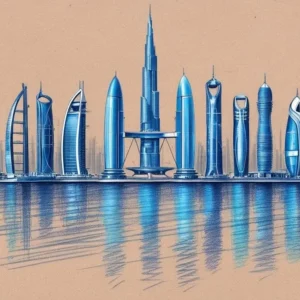
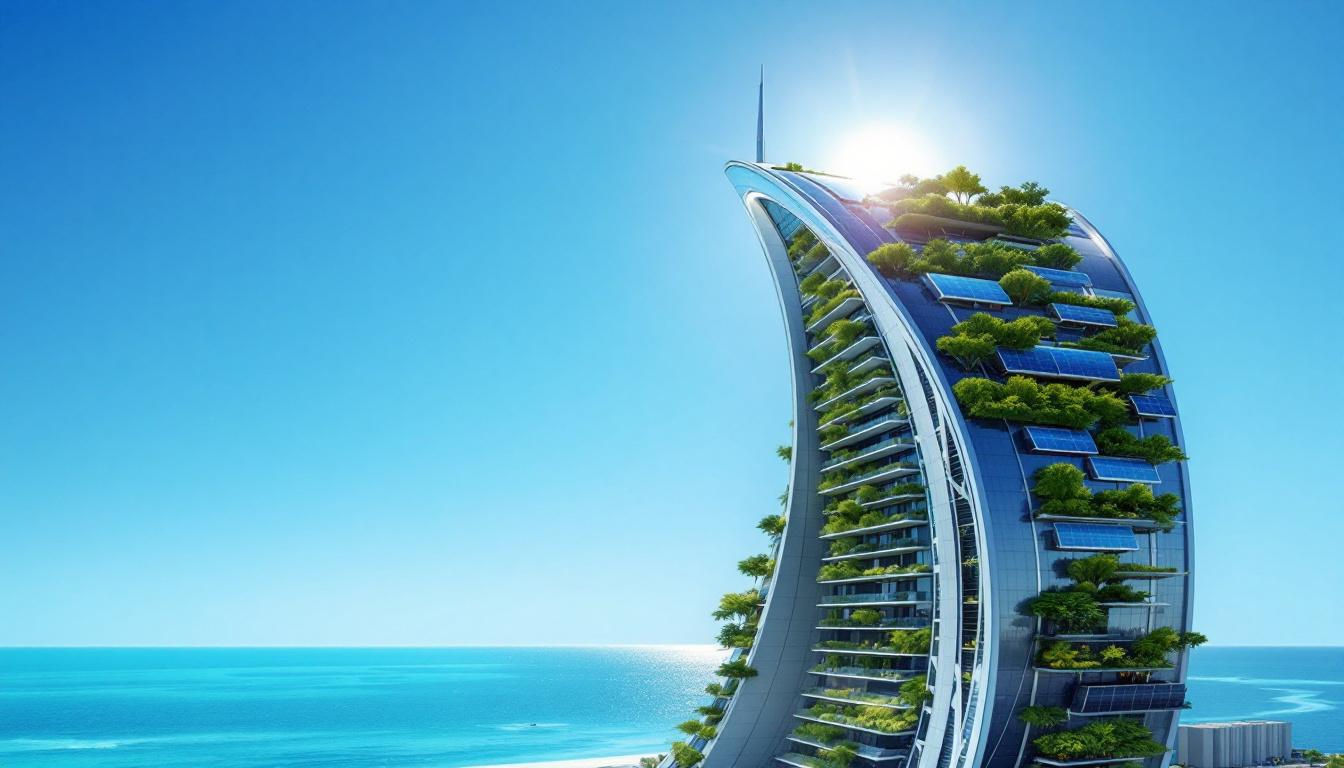
Dubai is rapidly transforming its property sector, shifting from luxury skyscrapers to eco-friendly, smart city initiatives that attract international investment and set new standards in sustainable urban living.
Dubai is moving swiftly to reshape its real estate scene, shifting away from just the image of luxury skyscrapers and flashy lifestyles towards a more sustainable, environmentally conscious future. This change really mirrors global priorities—climate change, urban resilience—and it positions Dubai as a trailblazer in sustainable city development. The emirate’s push to create greener, smarter living spaces has grabbed international attention and attracted investment, making it a significant player in the worldwide movement toward sustainable real estate.
The Global Context and Dubai’s Place in It
All around the world, the real estate market is pretty much changing at a fundamental level. The old markers of wealth—size, luxury—are gradually being replaced or, at least, complemented by things like energy efficiency, lower carbon emissions, and healthier environments for tenants. Investors, for one, are more and more interested in buildings that have green certifications, mainly because they tend to cost less to run, rent out for higher prices, and appeal to tenants who care about the environment. At the same time, governments in Europe, Asia, and elsewhere are tightening environmental rules and pouring money into smart city projects to hit their climate goals.
Dubai’s approach aligns pretty well with these global trends. The city is third worldwide in terms of LEED-certified buildings, with over 400 projects carrying this label, which really shows its strong commitment to sustainability—both in construction and day-to-day operations. Local industry leaders promote sustainable building techniques that aim to lessen environmental impact while also improving urban living quality.
Why Dubai’s Sustainable Real Estate Is Booming
So, what’s driving Dubai’s green real estate surge? Well, a big part of it is the government’s bold vision and supportive policies. Looks like initiatives such as the Dubai Clean Energy Strategy 2050 and the target to reach net-zero emissions by 2050 are driving this push. These policies show how serious Dubai is about weaving sustainability into its city fabric. Tight green building codes and mandatory sustainability standards mean developers pretty much have to play by these rules.
Major developers like Emaar, Damac Properties, and Majid Al Futtaim have all incorporated sustainability into their plans. They’re building projects with solar power, energy-saving designs, and eco-friendly materials. And interestingly enough, what used to be seen as just compliance has become a real advantage—drawing in residents and investors who want to be part of a city that’s greener and more resilient.
Dubai’s tech side is also playing a key role here. The use of IoT for managing electricity, AI-controlled smart grids, and large-scale water recycling programs all help cut down resource use. These innovations not only make the city more liveable but also help reduce costs, showing how technology can support sustainable urban growth.
Another factor that can’t be overlooked is global investor interest. Sustainable properties in Dubai tend to be seen as safer and more profitable over the long haul—especially now, when ESG criteria are gaining traction worldwide. Dubai really wants to stay attractive for international investors looking for environmentally responsible assets.
Plus, lifestyle changes are shaping demand. Eco-minded communities like The Sustainable City and Dubai Creek Harbour cater to folks looking for healthier, greener environments—think cleaner air, green open spaces, and energy savings. It’s pretty clear that living sustainably doesn’t mean sacrificing comfort or modern amenities.
Projects Leading the Way
Dubai has quite a few flagship projects that showcase its push toward sustainability. The Sustainable City, for example, is a model eco-community with net-zero energy goals, solar panels, wastewater recycling, and even car-free zones. Residents here enjoy lower utility bills and cleaner air, really highlighting what green living can offer.
Dubai Creek Harbour combines luxury waterfront living with sustainability efforts through energy-efficient buildings, abundant green areas, and a design that supports walking instead of driving.
And then there’s Dubai Hills Estate—an area that combines luxury with green principles. It’s laid out with parks, bike paths, and green corridors to help lower urban heat and encourage outdoor activities. Smart energy systems and eco-friendly building techniques are woven into the community’s fabric, reinforcing that sustainable living can be seamlessly integrated with high-end lifestyles.
The Hurdles Ahead
Of course, this journey isn’t without its challenges. Building sustainably—especially green buildings—often needs hefty upfront investments in advanced tech and renewable energy, which can drive up overall development costs. Spreading these flagship projects across the broader market in a cost-effective way is still a work in progress.
Dubai’s reputation as a luxury hotspot sometimes clashes with the practicalities of sustainability. Balancing high-end design with environmental responsibility takes innovation—and a lot of it.
Not everyone fully understands the long-term benefits of green buildings either. Many tenants and buyers might underestimate the economic or health advantages, which could slow wider adoption.
And importantly, consistent enforcement of existing regulations is vital. Strong monitoring and compliance mechanisms are needed to ensure all developments meet sustainability standards—without these, the sector’s credibility might waver.
The Road Ahead: A Greener Urban Future
Looking forward, Dubai’s real estate is aligned with bigger plans like the Dubai 2040 Urban Masterplan and the UAE’s Net Zero by 2050 initiative. These point to a collective effort to grow sustainably. The Dubai Real Estate Sector Strategy 2033 aims to boost the economy, make things more transparent, and harness new technologies to elevate Dubai’s global standing.
The momentum from COP28 and other international climate efforts has pushed developers further toward greener design and infrastructure, in line with global climate commitments. Projects like Masdar City in Abu Dhabi, alongside Dubai’s Sustainable City and District 2020, underscore the UAE’s leading role regionally in sustainable urban development.
All in all, Dubai’s redefining its real estate industry through a comprehensive, sustainability-focused transformation. Sure, costs and scale are challenges, but with the city’s clear policies, innovative practices, technological advancements, and changing lifestyle trends, the future for green real estate looks pretty promising. Dubai seems determined not just to stay a top luxury destination but also to become a global model for smart, sustainable urban living—something to watch closely by investors, residents, and climate tech enthusiasts alike.
Source: Noah Wire Services


