





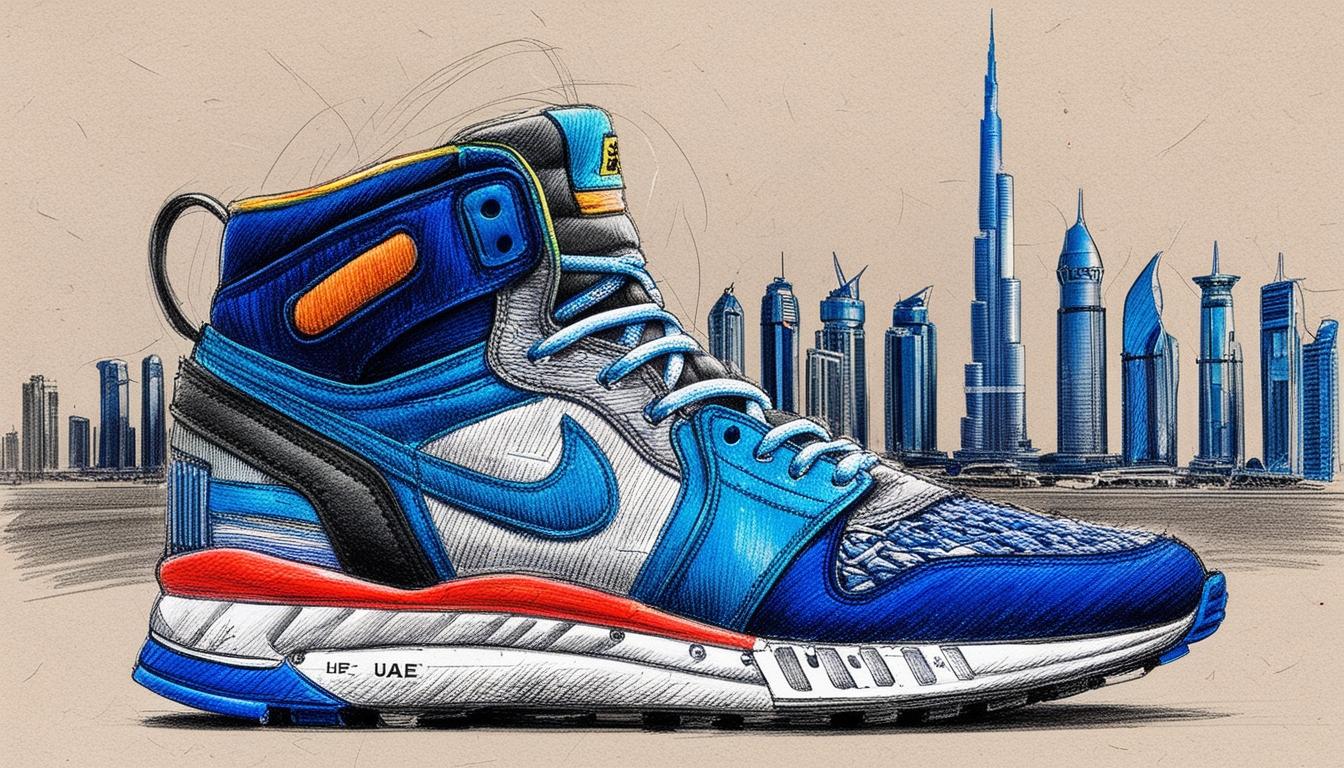
**UAE**: The shift towards sustainable and ethical fashion is revolutionising the luxury market, with homegrown brands like Thaely and Eurthlin leading the charge. This transformative movement reflects changing consumer attitudes and aligns with the country’s Net Zero 2050 Initiative aimed at reducing carbon emissions.
In the United Arab Emirates (UAE), sustainability is taking a prominent position in the world of fashion, moving beyond the realm of niche concerns to become a significant aspect of the luxury market. Amidst global challenges such as climate change and rampant consumption, the UAE is spearheading a transformative shift towards sustainable and ethical fashion, paralleling its ambitious Net Zero 2050 Initiative aimed at reducing carbon emissions.
Across the cities of Dubai and Abu Dhabi, homegrown brands are emerging as pioneers, demonstrating that eco-friendliness and sophistication can coexist. The movement has elevated sustainable fashion from a fleeting trend to a cultural necessity, reflecting a broader change in consumer attitudes towards luxury goods.
Among the notable brands leading this charge is Thaely, founded by Ashay Bhave. This sneaker label stands out by transforming discarded plastic bags into stylish vegan footwear through a unique material termed ThaelyTex. The brand also prioritises the welfare of waste pickers in India, ensuring fair wages and humane working conditions as part of its operational model. Thaely’s “10,000 Bags Challenge” has successfully upcycled over 250,000 plastic bags, positioning their products as fashionable choices with a significant environmental impact.
Another important player is Kaleidoscope by Mimi, a Dubai-based label that highlights handcrafted vibrance complemented by sustainable practices. The brand collaborates with global artisans, producing limited-edition kaftans that utilise vegetable-dyed silks and upcycled embroidery. In a move to support artisans, Kaleidoscope allocates 15% of its profits to fund craft schools in Morocco and India. Their “Floating Threads” collection ingeniously incorporates ocean-salvaged fishing nets, wrapped in plantable seed paper that grows into UAE-native flowers.
Eurthlin is at the forefront of vegan luxury fashion, crafting handbags from innovative materials like apple leather and cactus silk, which require significantly less water compared to traditional animal hides. This brand also embraces environmental responsibility with its “Carbon Negative Club,” pledging to plant three trees for every handbag sold, thereby contributing to reforestation efforts.
Further blending style with sustainability is Glossy Lounge, which focuses on redefining loungewear made from GOTS-certified organic cotton. They introduced the “Mangrove Collection,” which employs algae-based yarns that absorb CO2, and collaborates with Emirates Nature-WWF to protect coastal ecosystems with each purchase.
Swimwear is being reimagined by brands such as Ohoy Swim and Kinki Swim. Ohoy’s swimsuits are crafted from ghost fishing nets, employing a solar dye process to eliminate harmful chemical runoff. They further contribute to ocean conservation by funding the removal of marine plastic for every suit sold. Kinki Swim takes a similar approach, creating convertibly stylish pieces from recycled materials while offering coral-safe sunscreen samples with each purchase.
The brand BLSSD also makes its mark with a unique approach to fashion, focusing on comfort for cancer patients through antimicrobial fabrics derived from pomegranate rinds. The “Comfort Capsule” offers temperature-regulating designs, while the brand donates 30% of its profits to support mobile cancer clinics in refugee camps.
Fyne Jewellery, led by Aya Ahmad, is revolutionising the jewellery industry with lab-grown diamonds that are cultivated using solar energy. Their “Sandcast” collection highlights the use of e-waste in jewellery production, with each piece shipped in biodegradable material embedded with seeds from local trees.
Up-fuse delivers urban streetwear by repurposing plastic waste into vibrant products, including a waterproof “Nomad Backpack” that transforms into a sleeping bag. Their efforts extend beyond just fashion as they teach upcycling techniques to underprivileged youth through their “Waste School” initiative.
Lastly, Earthly introduces innovative clothing that changes colour with body heat and incorporates bioactive spores to purify air. The brand pledges to plant drought-resistant trees for every purchase made, demonstrating a commitment to environmental stewardship.
The emerging sustainable fashion landscape in the UAE appears to not only be changing consumer behaviours but also enhancing the narrative around luxury. Each brand highlighted is committed to quality and environmental consciousness, presenting a clear fusion of style, sustainability, and social responsibility in the UAE’s evolving fashion industry.
Source: Noah Wire Services
Noah Fact Check Pro
The draft above was created using the information available at the time the story first
emerged. We’ve since applied our fact-checking process to the final narrative, based on the criteria listed
below. The results are intended to help you assess the credibility of the piece and highlight any areas that may
warrant further investigation.
Freshness check
Score:
8
Notes:
While specific recent updates or releases are not mentioned, the narrative discusses ongoing trends and initiatives in sustainable fashion in the UAE, which could be considered current. The absence of specific recent events or updates may suggest the information is not time-sensitive.
Quotes check
Score:
0
Notes:
There are no direct quotes in the provided text.
Source reliability
Score:
6
Notes:
The origin of the information is not explicitly mentioned, but the topic and brands discussed suggest a legitimate interest in sustainability in fashion. The lack of a clear publication name reduces certainty about reliability.
Plausability check
Score:
9
Notes:
The narrative describes plausible and fitting trends in the fashion industry in the UAE, aligning with broader sustainability initiatives. The specific practices and products detailed by various brands are consistent with known sustainable fashion practices.
Overall assessment
Verdict (FAIL, OPEN, PASS): OPEN
Confidence (LOW, MEDIUM, HIGH): MEDIUM
Summary:
The narrative presents plausible and current trends in sustainable fashion in the UAE without specific recent updates. It lacks explicit quotes and clear source identification, which impacts its reliability. Overall, while the information seems credible, further confirmation from reputable sources is needed.


