




Al Sayegh Group teams up with Triton EV to establish a cutting-edge electric truck factory in Abu Dhabi, bolstering the UAE’s position as a regional leader in clean mobility and supporting the growth of family-owned businesses amid a shift towards sustainable industries.
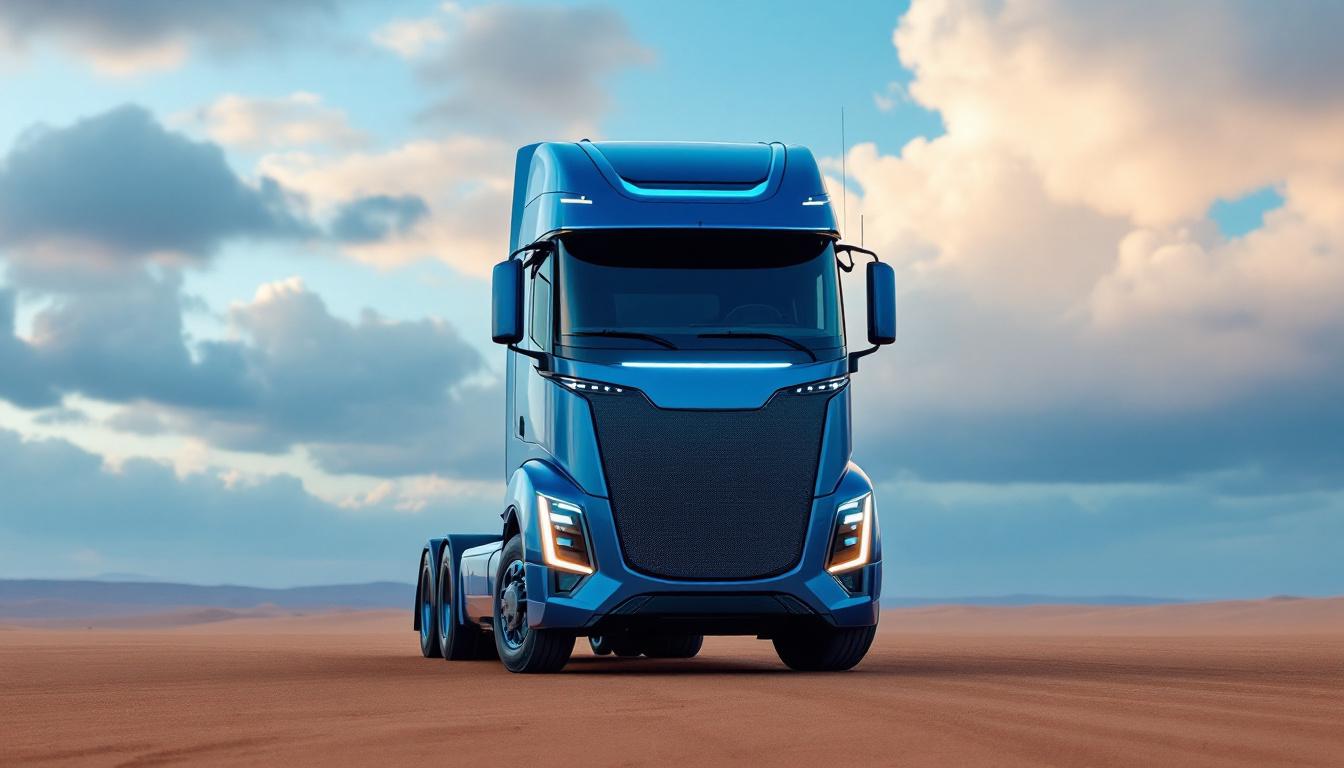
Al Sayegh Group has entered into a strategic partnership with Triton EV, a well-known manufacturer specializing in electric and hydrogen-powered vehicles, to set up a state-of-the-art electric truck manufacturing centre right in Abu Dhabi. This new facility is designed to serve as a regional hub, aiming to meet the rising demand across the GCC and Africa—reinforcing Abu Dhabi’s vision to become a leading global player in future-focused industries.
The formal agreement was signed during the Abu Dhabi economic delegation’s visit to the United States, marking an important milestone in the effort to integrate both national and family-run businesses into vital, value-added sectors. It underscores a shared commitment to the global transition toward sustainable transportation and supports long-term economic resilience in the region.
The Abu Dhabi Chamber of Commerce and Industry played a crucial role in making this partnership happen. Its involvement reflects a clear strategic focus on empowering private sector businesses, especially family-owned enterprises and SMEs, as outlined in its 2025–2028 Roadmap. By creating channels of communication between local companies and international industry players, the Chamber has helped foster new opportunities for collaboration and build trust among partners. The events organised by the Chamber have been instrumental in enabling family businesses and SMEs to connect with major international companies, learn about technological advancements, and boost the competitiveness of the UAE private sector on both regional and global fronts.
Al Sayegh Group pointed out that the manufacturing centre will incorporate cutting-edge electric vehicle production technologies, allowing global expertise to flow into Abu Dhabi. Mansour Al Sayegh, the Group CEO, expressed his enthusiasm for the agreement, calling it a significant step towards establishing Abu Dhabi as a key industrial hub for electric vehicles. He also praised the Abu Dhabi Chamber’s support, citing it as instrumental in creating opportunities for collaboration with international firms. This project aligns perfectly with Al Sayegh Group’s broader vision of fostering industrial innovation and encouraging investments in sectors that focus on the future.
Interestingly enough, this development takes place amid Abu Dhabi’s broader efforts to support the sustainability and growth of family businesses—an economic backbone of the emirate. Recently, the Abu Dhabi Chamber launched the Abu Dhabi Family Businesses Council, a strategic initiative aimed at ensuring the continuity, prosperity, and resilience of these family-owned enterprises. This initiative is fully aligned with Abu Dhabi’s ‘Falcon Economy’ vision, which aims to develop a sustainable, dynamic economy. Family companies currently employ around 80% of the workforce, and about 90% of private sector firms in the UAE are family-run—that’s a huge stake in the economy.
The Family Businesses Council provides extensive support, such as policy advice, regulatory advocacy, training programs on governance and succession planning, and platforms for networking and knowledge sharing. Notable figures like His Excellency Dr. Ali Bin Harmal Al Dhaheri and Shamis Ali Khalfan Al Dhaheri, members of the Abu Dhabi Chamber’s Board, are at the forefront of this initiative. Their goal is to prepare the next generation of family business leaders and encourage targeted investments, especially in emerging sectors like technology.
Overall, setting up the electric truck manufacturing centre—supported strongly by the Abu Dhabi Chamber—fits into a wider national strategy. This plan aims to diversify the economy by promoting innovation and sustainability, positioning Abu Dhabi as a regional leader in clean mobility and industry. It also complements efforts to make family-owned businesses more resilient, because they remain a fundamental part of the UAE’s socio-economic fabric.
Abu Dhabi’s non-oil sectors are already showing impressive growth, with industries like transportation, finance, insurance, and construction experiencing double-digit increases. Backed by policies and legislation—including the 2022 family business ownership governance law—the emirate is working toward a sustainable economic model that emphasizes heritage, continuity, and innovation. This creates a favorable environment for investments in green technologies and helps position Abu Dhabi as a hub for future industries, including electric vehicles.
All in all, the partnership between Al Sayegh Group and Triton EV, championed by the Abu Dhabi Chamber, clearly represents a concrete stride towards realizing the UAE’s ambitions in climate technology. By developing manufacturing capabilities for electric trucks locally, Abu Dhabi is not only addressing regional market demands but also showcasing leadership in clean transport solutions—an effort that aligns nicely with global sustainability goals.
Source: Noah Wire Services


