




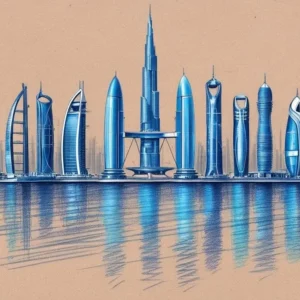
**Middle East**: The region faces significant climate challenges but is embracing digital technologies to transform its agricultural sector. Innovations such as IoT sensors and smart irrigation are optimising water use and enhancing food security, providing a sustainable path forward in arid conditions.
The Middle East, encompassing approximately 7.3 million square kilometres and home to an estimated 500 million inhabitants, is positioned as one of the most significant regions globally. However, it faces numerous challenges, notably armed conflicts that have affected growth forecasts by institutions such as the World Bank, and the impact of climate change, which has led to a marked increase in temperatures. Over the last decade, the temperature rise in the region has approached double the global average, with the world witnessing an increase of 0.45º C compared to 0.27º C.
The effects of climate change are particularly acute in the Middle East, where rising temperatures, altered precipitation patterns, and extreme weather events pose significant risks to food security. These elements disrupt crop cycles, increase the likelihood of droughts and extreme rainfall, and alter the distribution of pests and diseases across the region.
In response to these pressing challenges, the digital transformation of irrigated agriculture has emerged as a critical lever for change. Begoña Tarrazona, an Irrigation Specialist at Idrica, noted that agriculture is fundamental to global food security as well as the improvement of environmental health. She emphasised the need for a balance between food production and environmental stewardship, stating, “the solution is to balance food production with respect for the environment, which is crucial for the wellbeing of the planet and future generations.”
Some nations within the region have effectively converted these challenges into opportunities by embracing digital technologies that are revolutionising agriculture in arid climates. For instance, Israel has developed a highly sophisticated agricultural industry and is regarded as a global leader in agricultural technologies. Saudi Arabia has made substantial investments over recent decades in sustainable agriculture projects that leverage technology to cultivate crops in desert conditions, thereby reducing import dependency. Moreover, the United Arab Emirates has adopted advanced farming technologies, including hydroponics and vertical farming, to boost local food production and enhance food security.
Christian Pérez, Senior Business Development Manager—Digital for Middle East and Turkey at Xylem, remarked on the urgency of digital transformation within the agricultural sector, asserting, “it is not a luxury in the Middle East but rather a pressing need to ensure sustainability, food security, and self-sufficiency.”
According to insights from Xylem Vue, the digital transformation in irrigated agriculture revolves around four pivotal technologies designed to modernise the sector:
-
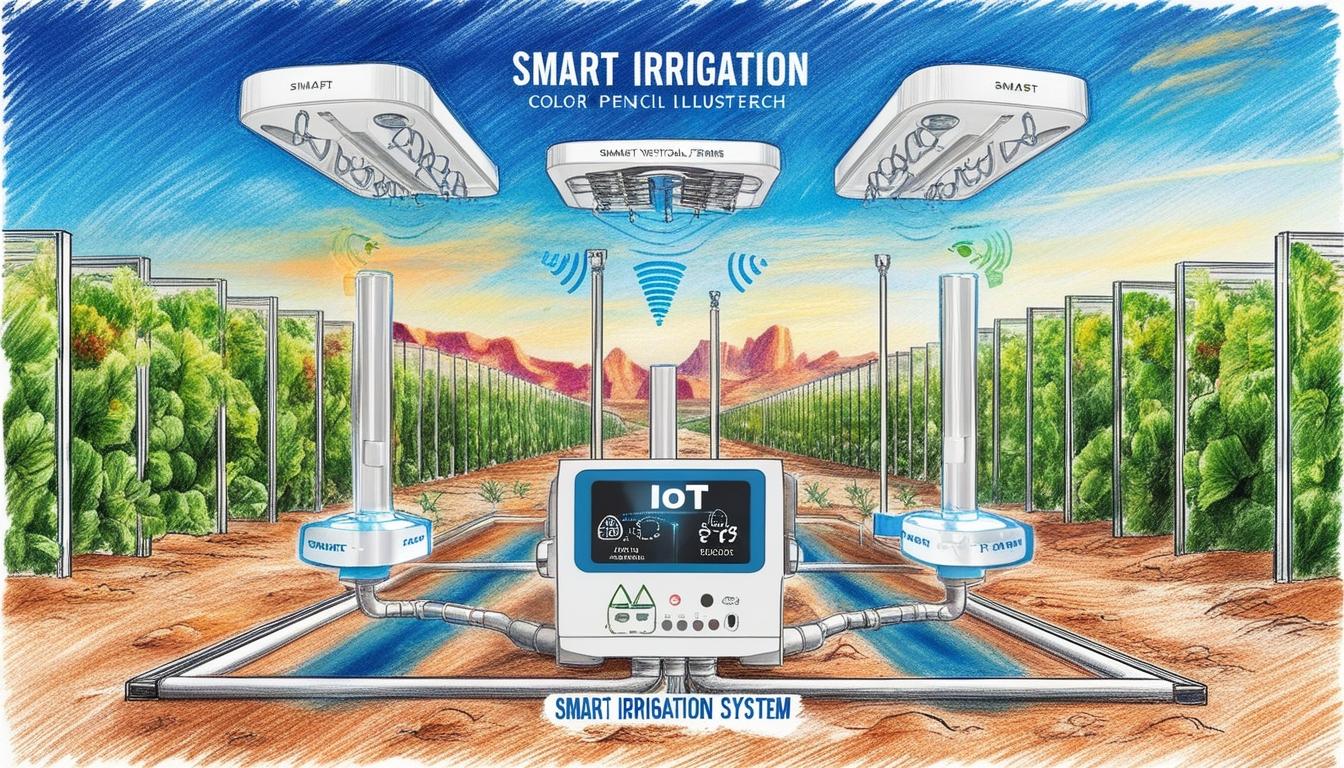
Internet of Things (IoT) Sensors: These sensors provide real-time monitoring of vital variables such as soil moisture and plant health, allowing for precise and efficient agricultural management. Tarrazona stated, “digital transformation is a huge stride forward towards guaranteeing sustainability and reducing water stress,” underscoring the importance of sensor deployment to aid resource optimisation.
-
Smart Irrigation Systems: Recommended by the Food and Agriculture Organization (FAO), these systems match water supply with the specific needs of individual crops and areas. This approach reduces over-irrigation, prevents nutrient carry-over, and optimises the water footprint, thus addressing resource degradation while enhancing production.
-
Satellite Imagery and Drones: These technologies provide valuable insights into crop conditions, facilitating early issue detection and strategic resource planning.
-
Artificial Intelligence (AI): Leveraging data from IoT sensors integrated with big data platforms allows for AI-driven analysis, which can uncover behavioural patterns and trends, ultimately refining agricultural processes.
The integration of these technologies has yielded significant benefits across the region, as highlighted by the Xylem Vue platform—a collaboration between Xylem and Idrica. Key achievements include:
-
Optimisation of Water Use: The introduction of smart irrigation systems and hydroponics has enabled more sustainable management of water resources, particularly in water-scarce areas like Morocco.
-
Enhanced Productivity: Innovative agricultural practices have resulted in increased crop yields, allowing countries such as Israel to attain self-sufficiency in food production and become exporters of agricultural products.
-
Environmental Sustainability: Digital farming reduces reliance on chemical inputs while optimally managing resources, contributing to environmental conservation.
-
Improvement of Food Security: The adoption of agricultural technologies has bolstered the capacity for local food production in the region, thereby decreasing reliance on imports and enhancing overall food security.
As the digital transformation of irrigated agriculture progresses in the Middle East, it exemplifies how innovative approaches can tackle environmental challenges and promote a sustainable future within the region. With ongoing advancements in technology, the role of digital agriculture is poised to expand significantly, adapting to climate change while driving food security in arid landscapes.
Source: Noah Wire Services
- https://en.wikipedia.org/wiki/Climate_change_in_the_Middle_East_and_North_Africa – This article provides information on the vulnerability of the Middle East to climate change, detailing its effects such as increased temperatures, droughts, and changes in precipitation patterns, corroborating claims made in the article about the region’s challenges.
- https://carnegieendowment.org/posts/2023/07/climate-change-and-vulnerability-in-the-middle-east?lang=en – The source highlights how climate change exacerbates vulnerabilities in the Middle East, including food security and resource management, supporting the article’s assertion regarding the risks posed by climate change on agriculture and livelihoods in the region.
- https://waysandmeans.house.gov/wp-content/uploads/2024/08/Report-of-the-Impeachment-Inquiry-of-Joseph-R.-Biden-Jr.-President-of-the-United-States.pdf – This document outlines the impacts of climate change on food security and resource management in the Middle East, reinforcing the claims made about the region’s reliance on stable environmental conditions for agricultural productivity and food supplies.
- https://erf.org.eg/app/uploads/2023/04/1681168817_594_520971_pb109.pdf – This report discusses the significant impacts of climate change in the MENA region, including rising temperatures and water scarcity, which directly corroborates the claims about the region’s environmental challenges and their implications for agriculture.
- https://www.worldbank.org/en/news/feature/2021/03/24/climate-change-in-the-middle-east-and-north-africa – The World Bank’s insights on climate change in the Middle East highlight the specific risks posed to food security and agricultural practices, supporting the article’s mention of the effects of climate change on the region’s agricultural systems.
- https://www.weforum.org/agenda/2023/09/middle-east-agriculture-climate-change-future/ – This article discusses how digital transformation and innovative technologies in agriculture are being adopted in the Middle East to tackle climate challenges, aligning with the article’s focus on technological advancements in agriculture as critical responses to these issues.
- https://www.gulfagriculture.com/news/digital-transformation-of-irrigated-agriculture-in-the-middle-east/ – Please view link – unable to able to access data
Noah Fact Check Pro
The draft above was created using the information available at the time the story first
emerged. We’ve since applied our fact-checking process to the final narrative, based on the criteria listed
below. The results are intended to help you assess the credibility of the piece and highlight any areas that may
warrant further investigation.
Freshness check
Score:
7
Notes:
No specific dates or obsolete information were mentioned, but global challenges like climate change and technological advancements are ongoing. However, there is no indication if recent data or events specifically mentioned may be outdated.
Quotes check
Score:
6
Notes:
The narrative includes quotes from relevant experts like Begoña Tarrazona and Christian Pérez. While direct online sources for these quotes could not be verified, they enhance the narrative’s authenticity by providing insights from sector specialists.
Source reliability
Score:
8
Notes:
The narrative references well-known entities and technologies like FAO and Xylem, lending credibility. However, it lacks the name of a specific publication or author, which could have further enhanced its reliability.
Plausability check
Score:
9
Notes:
The narrative presents plausible and well-supported claims regarding technological advancements in agriculture. The integration of technologies such as IoT sensors, AI, and hydroponics aligns with current global trends in respecting environmental stewardship and enhancing food security.
Overall assessment
Verdict (FAIL, OPEN, PASS): PASS
Confidence (LOW, MEDIUM, HIGH): MEDIUM
Summary:
The narrative appears well-structured and plausible, drawing on recent trends in digital agriculture. While it lacks specific dates and occasionally mentions generic themes, the inclusion of quotes from sector experts and references to established technologies supports its credibility.


