

 11:54 am - November 17, 2026

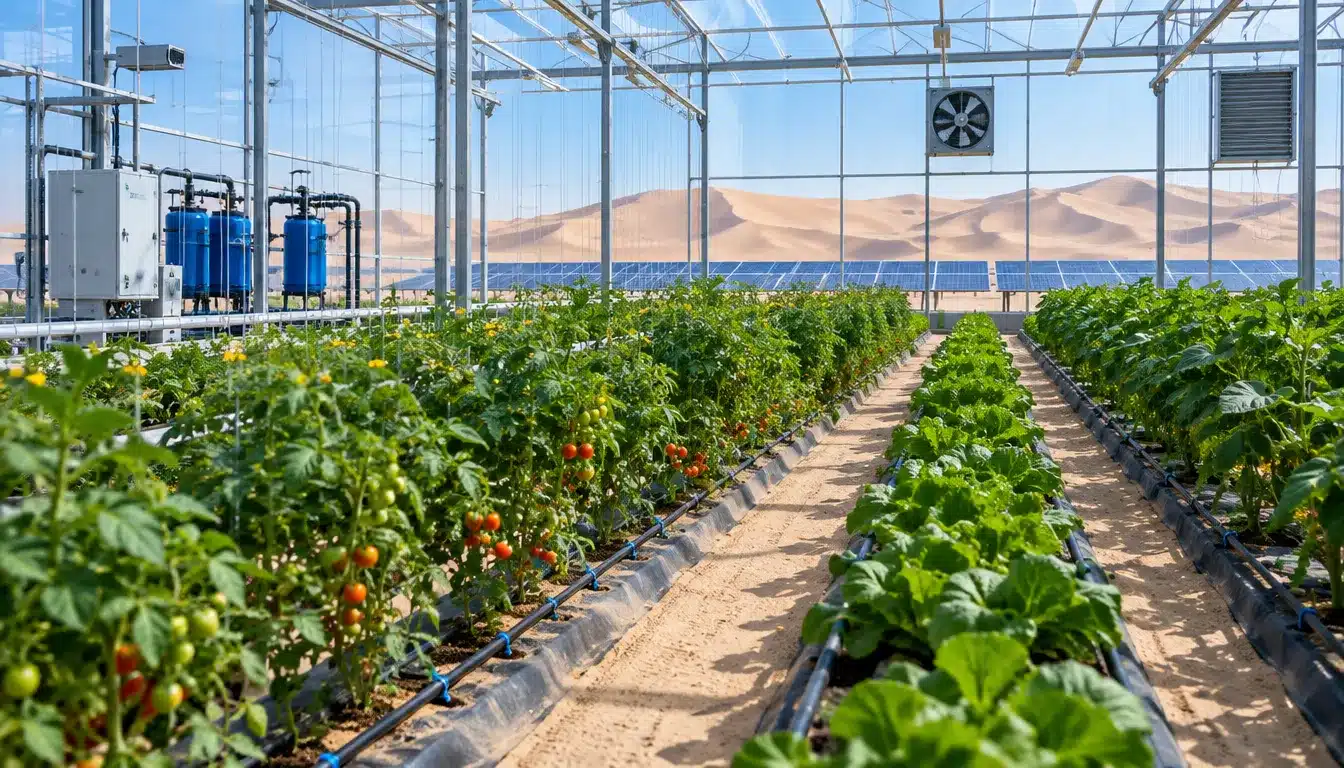
UAE climate-smart agriculture will reach 30% of farms by 2030, the National Agriculture Centre’s director general said as Growtech Middle East opened in Dubai on 26 October with technology and food resilience in focus.
The UAE National Agriculture Centre (NAC) targets 30 per cent of farms adopting climate-smart solutions by 2030, its Director General Sultan Salem Al Shamsi said at the opening of Growtech Middle East in Dubai. The goal places UAE climate-smart agriculture at the centre of the country’s food resilience plans.
Growtech Middle East, formerly Agra Middle East, opened on 26 October at Dubai World Trade Centre in its first edition under the new name. The three-day event runs until 28 October in Hall 8. NAC is its Strategic Government Partner, and Dubai Municipality helped lead the opening. Marwan Bin Ghalita, Director General of Dubai Municipality, and Al Shamsi opened the show and toured the exhibition floor.
The event follows the direction of the UAE National Food Security Strategy 2051. UAE climate-smart agriculture sits within that strategy, under which the country continues to invest in advanced farming technologies, sustainable production systems and resilient food supply chains.
Farmers first, with data and AI
Al Shamsi said NAC held more than 80 meetings with stakeholders across the sector and engaged over 400 farmers from across the UAE. “Farmers first – this is the principle that guides our work, shapes our partnerships, and defines our success,” he said.
He described artificial intelligence as a practical tool for farming rather than a technology of the future. “Data and smart technologies enable farmers to make more precise decisions, helping them improve the quality of their produce, increase productivity, and use resources, particularly water, more efficiently,” he said. The UAE has also begun resilient crop trials to test climate-smart methods.

The conference programme runs alongside the exhibition across three platforms: the Future of Food Resilience Summit, the MENA Regenerative Agriculture Summit and free technical seminars. Day one covered regional farming, farm data, agri-finance, AI-powered food systems and sustainable agriculture in arid regions. Al Shamsi joined a fireside chat with the director general of the International Center for Biosaline Agriculture and the group chief executive of Elite Agro Holding.
On the exhibition floor, suppliers are displaying greenhouse technologies, irrigation systems, plant nutrition, machinery, poultry, livestock and aquaculture products. The MENA Regenerative Agriculture Summit, focused on soil health, resource efficiency and climate resilience, closes the event on 28 October. The coverage reported no launches or deal values, so the 30 per cent target is the main commitment to follow. For growers, suppliers and investors, UAE climate-smart agriculture now has a measurable adoption goal and a 2030 deadline.

