

 11:54 am - November 17, 2026

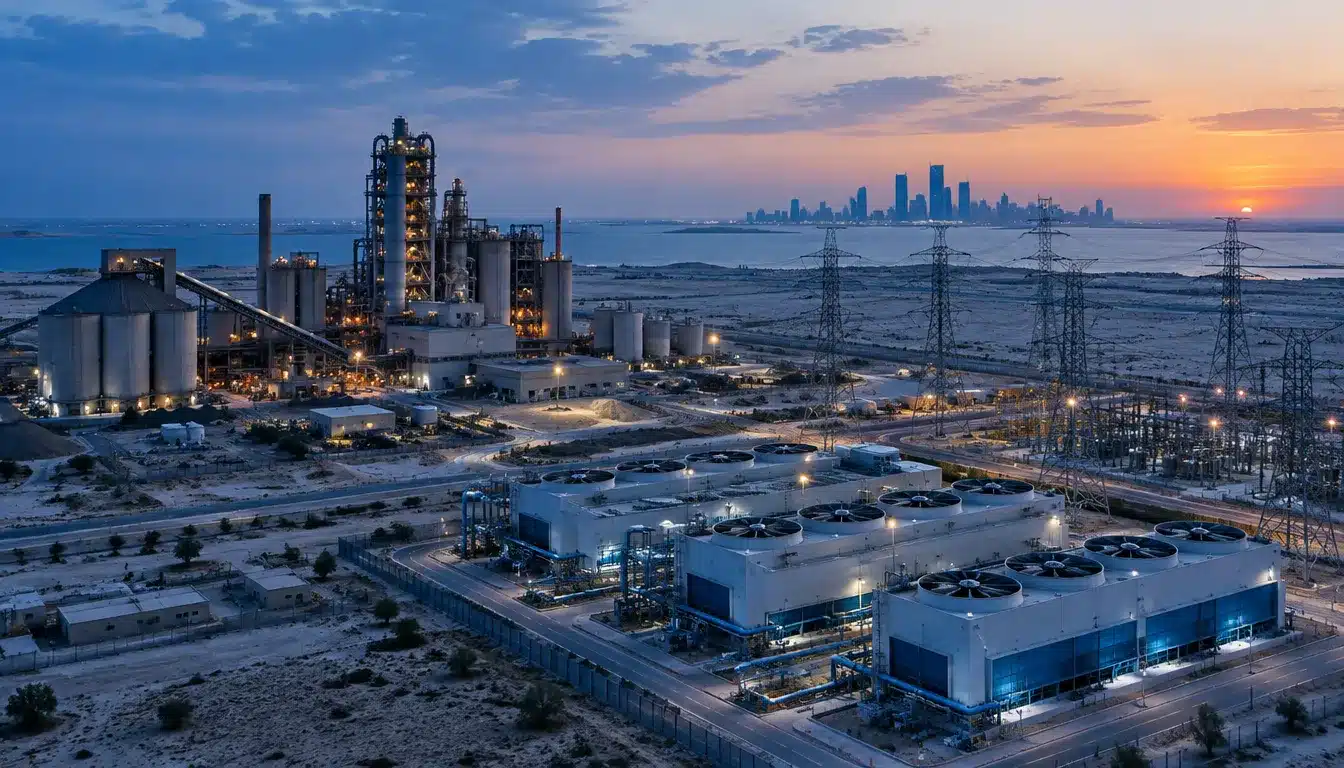
Abu Dhabi demand response participants cut average load by 251 MW, with a maximum reduction of 401 MW, in 2025 as the Department of Energy prepares a regulated aggregator licensing programme.
The Abu Dhabi Department of Energy (DoE) has announced results for its 2025 Demand Response Pilot Project. The pilot achieved an average electricity load reduction of 251 MW and a maximum reduction of 401 MW.
More than 30 entities from a range of economic sectors took part in the Abu Dhabi demand response pilot, together offering over 408 MW of flexible capacity. Peak-period electricity consumption fell by about 27 GWh, and the DoE estimates the project avoided 4,000 tonnes of carbon dioxide equivalent emissions.
Participants came from metals, refining, cement, industrial gases, logistics, commercial buildings and district cooling. The project also introduced the region’s first direct load control trials at industrial facilities, educational institutions and district cooling companies. Those trials looked at the response times and technologies used to adjust electricity consumption when required.
The pilot forms part of the Load Management Programme under the Abu Dhabi Energy and Water Efficiency Strategy 2030. Consumers adjust their electricity use during periods of peak demand. That reduces the need for additional high-cost, high-emission generation capacity and makes better use of existing infrastructure. Abu Dhabi demand response participants received financial incentives as credits on their electricity bills from TAQA Distribution.
The 2025 average reduction of 251 MW compares with 106 MW in 2024, a rise of 145 MW. The results follow plans to advance demand response capacity in the emirate during 2025. The DoE began building its framework with the launch of the Strategy 2030 in 2019 and introduced the Demand Response Policy and Regulatory Framework in 2022.

Abu Dhabi demand response rules now support the licensing and operation of energy aggregator companies. The rules are designed to protect consumers while creating commercial opportunities and economic returns. Ahmed Al Falasi, Executive Director of the Energy Efficiency Sector at the DoE, said: “For the first time in the region, a comprehensive, regulated energy aggregator licensing programme is being launched, opening new markets that attract investment and strengthen demand flexibility and security of supply.”
Al Falasi also said: “Abu Dhabi is developing an integrated energy system capable of supporting economic growth and rising electricity demand while maintaining reliability of supply and resource efficiency.”
The DoE is also exploring artificial intelligence and virtual power plants with Emirates Water and Electricity Company (EWEC) and other stakeholders. The work targets electricity demand flexibility and the long-term resilience of Abu Dhabi’s energy system. The DoE statement gives no launch date for the aggregator licensing programme, so the timing of those new markets remains open.

