

 6:38 am - November 17, 2026
UAE energy investment of Dh150bn to Dh200bn by 2030 targets generation, networks and storage, Energy Minister Suhail Al Mazrouei told ADIPEC 2026, as clean energy supplied 32.4% of 2025 power.
The UAE plans to invest between Dh150bn and Dh200bn in its energy system by 2030, Minister of Energy and Infrastructure Suhail bin Mohammed Al Mazrouei said during a ministerial panel at ADIPEC 2026. The energy investment targets generation capacity, electricity networks, storage and integrated system operations as demand grows.
The panel carried the theme “Energy Security Is National Security: Building Resilient Supply in an Uncertain World.” Al Mazrouei called energy security a fundamental national and economic priority. He cited geopolitical uncertainty, rising global demand and the growing needs of advanced industry, artificial intelligence and data centres. He described a secure, affordable and resilient energy system. Diversification, strategic investment, advanced infrastructure and closer public and private cooperation would build it.
The minister gave the energy investment range without a breakdown by project, year or sector. He also reported progress on clean power. Clean energy supplied 32.4% of UAE electricity generation in 2025, against a national target of 35% by 2031. That leaves a gap of 2.6 percentage points.
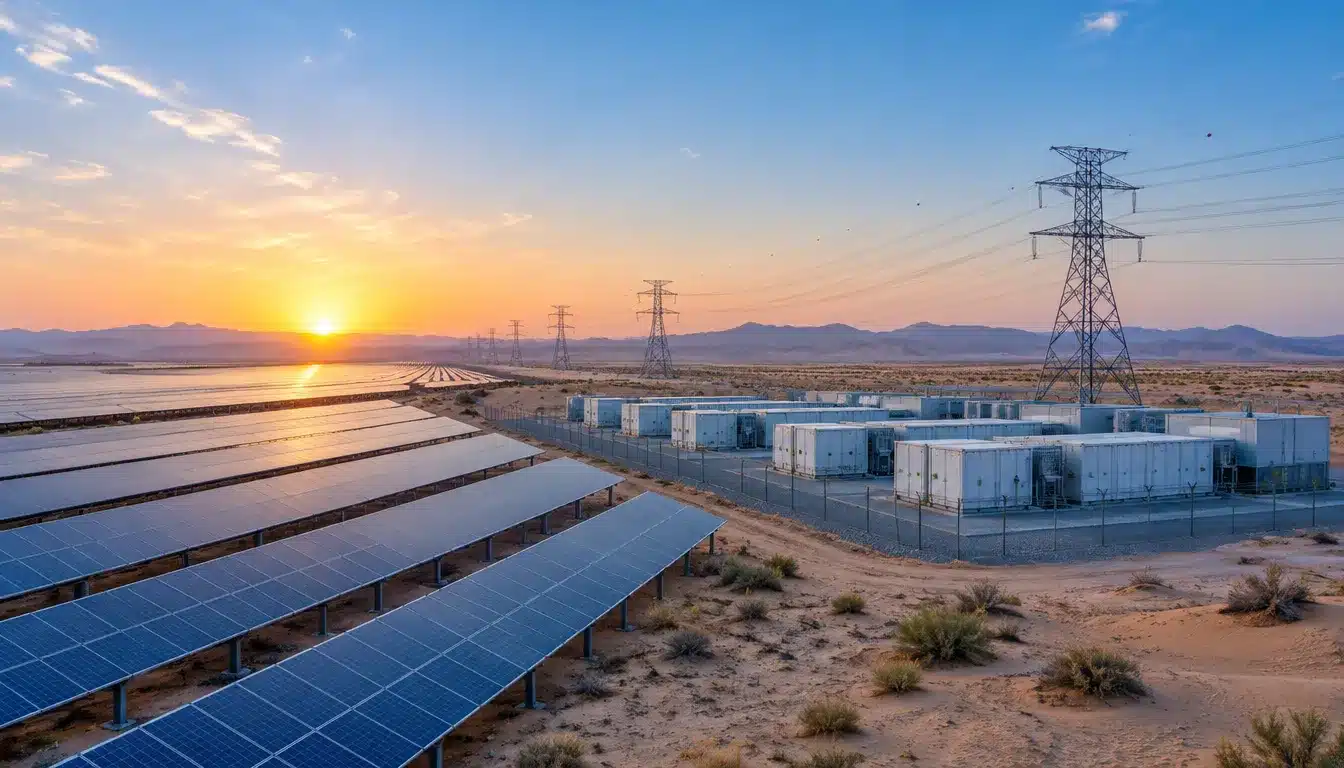
Diversification stays central to the strategy, Al Mazrouei said. Renewable energy, nuclear power and natural gas play complementary roles in reliable and competitive supply. Abu Dhabi has also outlined a $43.6 billion clean energy investment plan. Dubai has set a 2,000MW battery storage target to back round-the-clock solar power.
Al Mazrouei framed the spending as a competitiveness play. His stated priority is to make energy “a lasting competitive advantage for the UAE”, tied to industrial development, technological advancement and long-term sustainability.

He stressed the importance of building physical security, cybersecurity, climate resilience and business continuity into energy planning and investment decisions. He also stressed coordination between government entities and operators on emergency preparedness, critical assets and essential services. He called for local manufacturing capability, continued access to critical equipment and investment in specialised national talent.
Flexibility across supply and demand is becoming more important for energy security and industrial competitiveness, he said. Integrating generation, storage, networks and consumption patterns can help manage rising demand and improve efficiency. It can also reduce exposure to supply disruptions and price volatility. He added that clear national priorities and predictable regulatory frameworks are essential. So are partnerships between governments, producers, technology developers, investors and industrial consumers.
Al Mazrouei linked continued investment to the UAE Energy Strategy 2050 and the country’s Net Zero 2050 ambitions. For developers and investors, the Dh150bn to Dh200bn range sets the scale of expected UAE energy investment to 2030. The minister gave no project-level detail.

