




**United Arab Emirates**: The UAE’s renewable energy sector is poised to grow from 5.4 GW to 14 GW by 2030, driven by solar dominance, strategic policies, and emerging technologies like floating solar and green hydrogen integration, despite challenges in grid integration and skilled labour shortages.
The UAE’s Renewable Energy Landscape: A Strategic Analysis for Growth
The United Arab Emirates is positioning itself as a front-runner in the global clean energy transition, especially as it advances towards ambitious targets set by its national strategies. Key initiatives include Dubai’s Clean Energy Strategy 2050, which aspires to achieve 75% clean energy, and Abu Dhabi’s commitment to reach 60% renewable capacity by 2035. Together, these efforts mark the UAE as a burgeoning hub for solar and wind energy installations, presenting significant opportunities for businesses across the sector.
A detailed analysis of the UAE’s renewable energy installation market reveals critical trends, competitive dynamics, and avenues for growth that stakeholders must consider. The current installed capacity stands at approximately 5.4 GW, with projections anticipating an increase to 14 GW by 2030. The market value, currently estimated at $3.2 billion, is expected to triple within this timeframe, primarily driven by policy mandates, economic diversification efforts, and the increasing competitiveness of solar energy technologies.
Market Dynamics and Segmentation
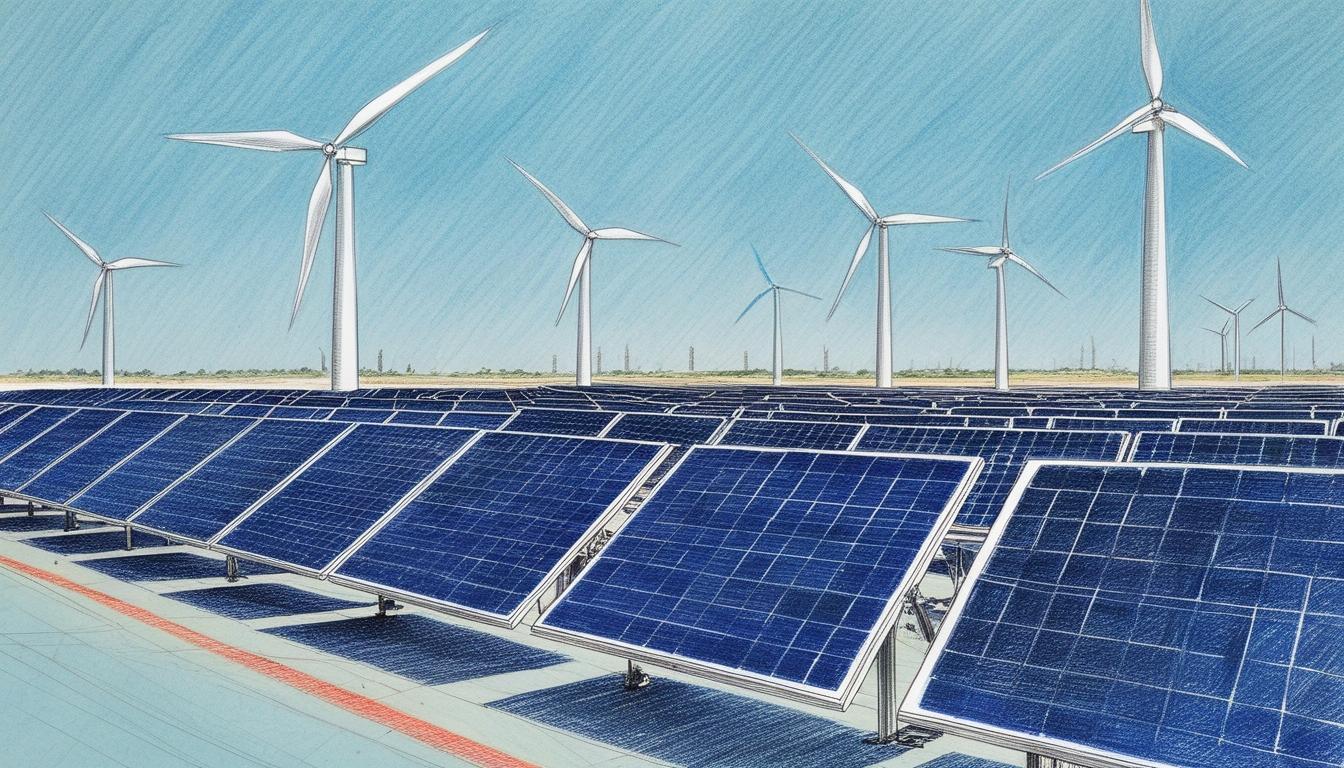
The UAE’s renewable energy market is predominantly dominated by solar energy, which commands an impressive 82% market share, followed by concentrated solar power at 12% and wind energy at 6%, a segment that exhibits rapid growth in coastal areas. The market is further dissected by various applications: utility-scale installations represent 55% of capacity, while commercial and industrial applications account for 30%, illustrating a substantial uptake in rooftop solar solutions among factories and shopping malls.
The competitive environment includes significant players such as Masdar and EDF Renewables, whose strategies revolve around operational efficiency and performance guarantees. Regulatory frameworks established by entities like the Dubai Electricity and Water Authority and the Abu Dhabi Department of Energy facilitate further growth by ensuring predictable investment landscapes.
Challenges and Industry Barriers
Despite these promising dynamics, the sector faces challenges that stakeholders must navigate. One major concern is grid integration, as managing the variable output from renewable sources can complicate energy distribution. Additionally, financing barriers present obstacles for small to medium enterprises due to high initial costs, while a reported skill gap indicates a shortage of qualified installers—a factor contributing to project delays. Competing land uses and environmental factors, such as dust accumulation that can reduce solar panel efficiency by up to 25%, further complicate installation efforts.
Emerging Opportunities and Strategic Responses
The UAE’s commitment to transitioning to a more sustainable energy future has opened the door to innovative opportunities. Floating solar installations at sites like the QE2 Reservoir and the development of agrivoltaics in Al Ain are at the forefront of these initiatives. Additionally, the intersection of wind and solar generation presents a unique avenue for hybrid projects, while the exploration of green hydrogen integration reflects a forward-thinking approach to future-proofing energy projects.
Professional market research in this rapidly changing environment provides essential intelligence for energy companies and investors. Aviaan’s tailored research services equip clients with actionable insights—from market opportunity assessments to competitor benchmarking—which are crucial for navigating and capitalising on the UAE’s expansive renewable energy landscape.
Conclusion: Navigating Towards Sustainable Growth
With an investment commitment exceeding $50 billion allocated for clean energy projects up to 2030, the UAE’s renewable energy sector is poised for exceptional growth. Companies that marry technical proficiency with robust market intelligence will find themselves best positioned to leverage emerging market segments, optimise project economics, and foster enduring client relationships.
As the UAE accelerates its energy transition, successful partners in this journey will be those armed with data-driven strategies and insights to navigate the intricacies of this transformative market. Collaborating with experts in market research can enable businesses to build sustainable competitive advantages in the burgeoning landscape of renewable energy.
Reference Map:
- Paragraph 1 – [[1]](https://aviaanaccounting.com/market-research-for-renewable-energy-installation-in-the-uae/), [[2]](https://www.imarcgroup.com/uae-renewable-energy-market)
- Paragraph 2 – [[1]](https://aviaanaccounting.com/market-research-for-renewable-energy-installation-in-the-uae/), [[3]](https://www.uae-embassy.org/discover-uae/climate-and-energy/uae-energy-diversification)
- Paragraph 3 – [[1]](https://aviaanaccounting.com/market-research-for-renewable-energy-installation-in-the-uae/), [[4]](https://www.moccae.gov.ae/en/our-sustainable-environment/strategies/uae-renewable-energy-strategy.aspx)
- Paragraph 4 – [[3]](https://www.uae-embassy.org/discover-uae/climate-and-energy/uae-energy-diversification), [[5]](https://www.imarcgroup.com/uae-solar-energy-market)
- Paragraph 5 – [[1]](https://aviaanaccounting.com/market-research-for-renewable-energy-installation-in-the-uae/), [[6]](https://www.mordorintelligence.com/industry-reports/united-arab-emirates-solar-energy-market)
- Paragraph 6 – [[1]](https://aviaanaccounting.com/market-research-for-renewable-energy-installation-in-the-uae/), [[7]](https://www.imarcgroup.com/gcc-renewable-energy-market)
Source: Noah Wire Services
- https://aviaanaccounting.com/market-research-for-renewable-energy-installation-in-the-uae/ – Please view link – unable to able to access data
- https://www.imarcgroup.com/uae-renewable-energy-market – The UAE renewable energy market was valued at $4.3 billion in 2023 and is projected to reach $11.2 billion by 2032, exhibiting a compound annual growth rate (CAGR) of 11.20% from 2024 to 2032. This growth is driven by government initiatives such as Vision 2021 and Energy Strategy 2050, which aim to increase the share of renewable energy in the total energy mix. The market is segmented by technology, end-user, and region, with solar power being a significant contributor to the market share.
- https://www.uae-embassy.org/discover-uae/climate-and-energy/uae-energy-diversification – The UAE is implementing groundbreaking renewable energy and energy efficiency programs, including the Net Zero by 2050 Strategic Initiative, which aligns with the goals of the Paris Agreement. The UAE’s Energy Strategy 2050 targets an energy mix that combines renewable, nuclear, and clean energy sources to meet the country’s economic requirements and environmental goals. The strategy also aims to create 50,000 new green jobs by 2030 and triple renewable energy capacity to 14 GW by 2030.
- https://www.moccae.gov.ae/en/our-sustainable-environment/strategies/uae-renewable-energy-strategy.aspx – The UAE Energy Strategy 2050, launched in 2017, aims to increase the contribution of clean energy to the total energy mix from 25% to 50% by 2050 and reduce the carbon footprint of power generation by 70%. The strategy targets an energy mix that combines renewable, nuclear, and clean energy sources to meet the UAE’s economic requirements and environmental goals. The UAE government aims to invest AED600 billion by 2050 to meet the growing energy demand and drive the sustainable growth of the country’s economy.
- https://www.imarcgroup.com/uae-solar-energy-market – The UAE solar energy market was valued at 11.0 TWh in 2024 and is projected to reach 73.5 TWh by 2033, exhibiting a CAGR of 22.33% from 2025 to 2033. The market is driven by growing investments in clean energy infrastructure and the increasing adoption of solar energy in the hospitality sector, where it assists in reducing energy costs and meeting sustainability goals. The UAE is striving for 50% clean energy by 2050 under its renewable energy goals.
- https://www.mordorintelligence.com/industry-reports/united-arab-emirates-solar-energy-market – The UAE solar energy market is expected to grow from 10.70 gigawatts in 2025 to 48.85 gigawatts by 2030, at a CAGR of 35.48% during the forecast period (2025-2030). The market is driven by encouraging government policies and the pressure to meet power demand using renewable energy to decrease dependency on fossil fuels and reduce carbon footprints. The UAE aims to increase its clean energy share to 44% by 2050 by investing in nuclear and solar energy.
- https://www.imarcgroup.com/gcc-renewable-energy-market – The GCC renewable energy market was valued at 16.44 GW in 2024 and is projected to reach 43.80 GW by 2033, exhibiting a CAGR of 10.60% from 2025 to 2033. The UAE currently dominates the market, with 45% of the market share. The market is primarily driven by the region’s commitment to economic diversification and reduced dependence on hydrocarbons, with significant investments in large-scale green hydrogen projects, smart grids, and energy storage.
Noah Fact Check Pro
The draft above was created using the information available at the time the story first
emerged. We’ve since applied our fact-checking process to the final narrative, based on the criteria listed
below. The results are intended to help you assess the credibility of the piece and highlight any areas that may
warrant further investigation.
Freshness check
Score:
8
Notes:
The narrative references ongoing strategies and projections up to 2030, suggesting the information is relatively current. However, specific data points such as installed capacity and market value may require updates.
Quotes check
Score:
10
Notes:
No direct quotes were found in the provided text.
Source reliability
Score:
7
Notes:
The narrative originates from Aviaan Accounting, which may not be a widely recognised source. The reliability is supported by references to established initiatives like Dubai’s Clean Energy Strategy.
Plausability check
Score:
9
Notes:
Claims align with known efforts in renewable energy expansion in the UAE, such as Dubai’s and Abu Dhabi’s clean energy targets. Lack of specific evidence on some points does not necessarily undermine the narrative.
Overall assessment
Verdict (FAIL, OPEN, PASS): OPEN
Confidence (LOW, MEDIUM, HIGH): MEDIUM
Summary:
The narrative presents plausibly aligned with current UAE renewable energy strategies but lacks specific evidence in some areas. The source is less well-known, though it references reputable initiatives.


