

 2:59 pm - September 29, 2026
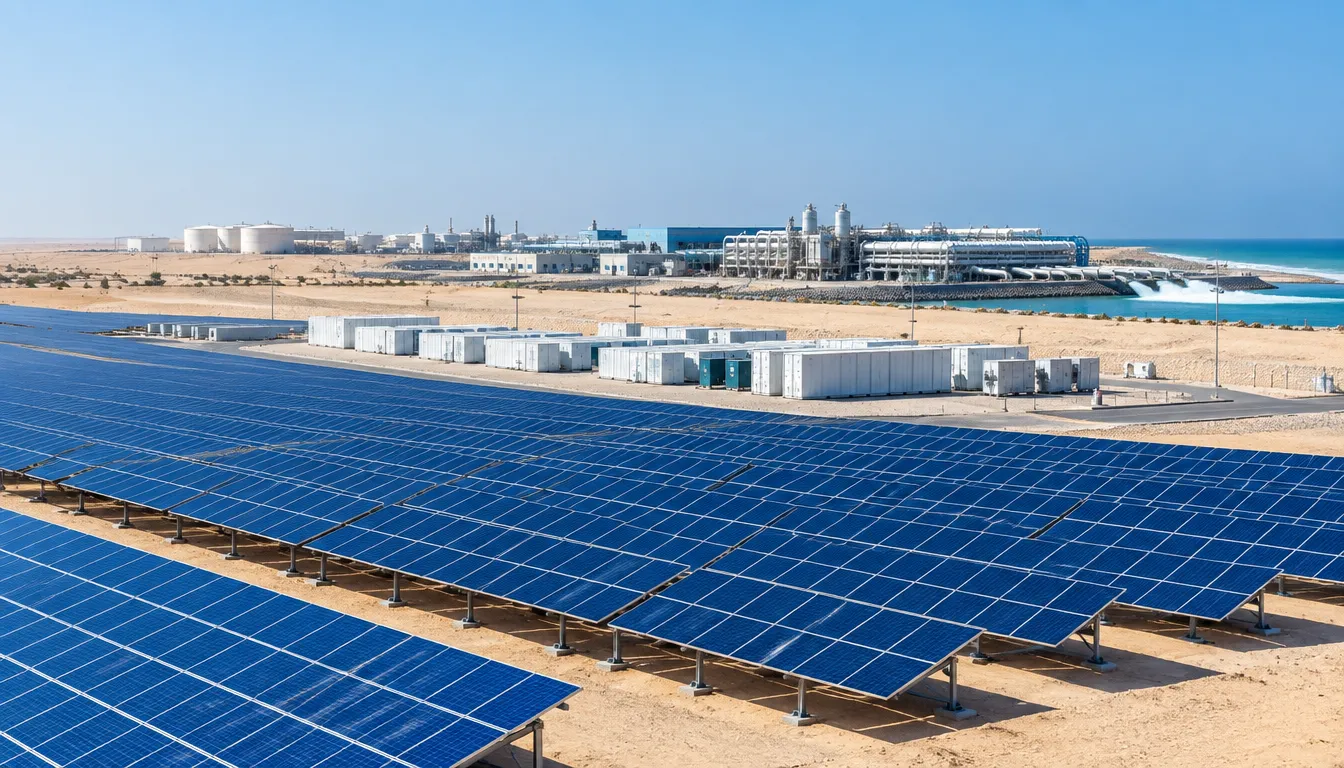
Abu Dhabi solar capacity is set to expand by 3GW a year, the emirate’s energy chief says, as its clean energy share hits 47% and desalination shifts to reverse osmosis by 2035.
Abu Dhabi’s Department of Energy has set out plans to add 3GW of solar capacity a year, backed by round-the-clock battery storage, as part of a decade-long shift that has already lifted the emirate’s clean energy share, including nuclear, from 1% to 47%. In a 17 September interview, department chairman Abdulla Humaid Al Jarwan said the emirate would keep expanding Abu Dhabi solar capacity while pushing almost all desalination onto reverse osmosis technology by 2035, up from about a quarter in 2022.
Electricity demand in Abu Dhabi reached a record in August, despite many residents being away for the summer, and the department expects power demand to nearly double between 2025 and 2035 as population, industry and AI infrastructure needs grow. To meet that growth while cutting emissions, the emirate plans to invest Dh300 billion ($81.7 billion) through 2035 in generation and grid capacity alongside the shift to cleaner sources. The investment figure was first disclosed in August; the annual solar target, the 47% clean energy share and the reverse osmosis deadline are the new detail from Al Jarwan’s latest comments.
The scale of the build-out puts Abu Dhabi alongside Dubai as one of the two main engines of UAE solar growth. DEWA’s Mohammed bin Rashid Al Maktoum Solar Park in Dubai is separately being expanded past 8,000MW, and growing Abu Dhabi solar capacity by 3GW a year would add a comparable amount of generation on the Abu Dhabi grid within a few years, assuming supply chains and land allocation keep pace.
The plans follow a period in which the UAE’s energy and water systems were tested directly. Iran targeted the UAE with drones and missiles during the recent conflict, and Al Jarwan said no service interruptions resulted. The Barakah nuclear plant, which supplies about a quarter of the country’s electricity, withstood a drone strike in May without leaks or major disruption. “I think it’s a privilege that we managed to test our system under real disruption in real time, and we performed,” Al Jarwan said.
Desalination remains the UAE’s primary source of fresh water, backed by strategic reserves, aquifers, recycled water and groundwater. The Liwa reserve alone can supply 1 million people for 90 days in an emergency. Abu Dhabi is now shifting from thermal desalination toward reverse osmosis, which can run on any electricity source rather than needing a co-located power plant. Reverse osmosis handled about a quarter of desalination in 2022 and is due to handle nearly all of it by 2035.

National installed solar capacity currently stands at 6.7GW, alongside Dubai’s own push toward round-the-clock solar backed by large-scale battery storage. Abu Dhabi’s 3GW-a-year target would add substantially to that base over the next decade, with battery storage designed to keep supply steady once the sun goes down.
Abu Dhabi will co-host the UN Water Conference with Senegal in December, alongside the Department of Energy’s first Water and Power Week, which organisers expect to draw more than 25,000 attendees. “If we create a sense of urgency, and Abu Dhabi manages to showcase the deliverables that are on the ground today, the world will learn a lesson that things are doable,” Al Jarwan said.
For a market already home to some of the world’s largest single-site solar plants, sustained growth in Abu Dhabi solar capacity would reinforce the UAE’s position as a proving ground for large-scale clean energy investment, and give developers and equipment suppliers a clearer pipeline to plan against over the next decade.

