

 10:44 am - October 15, 2026
An Abu Dhabi Chamber report projects the UAE will have among the world’s lowest hydrogen and ammonia production costs by 2030, with Abu Dhabi targeting 1.4 million tonnes of low-carbon hydrogen a year by 2031.
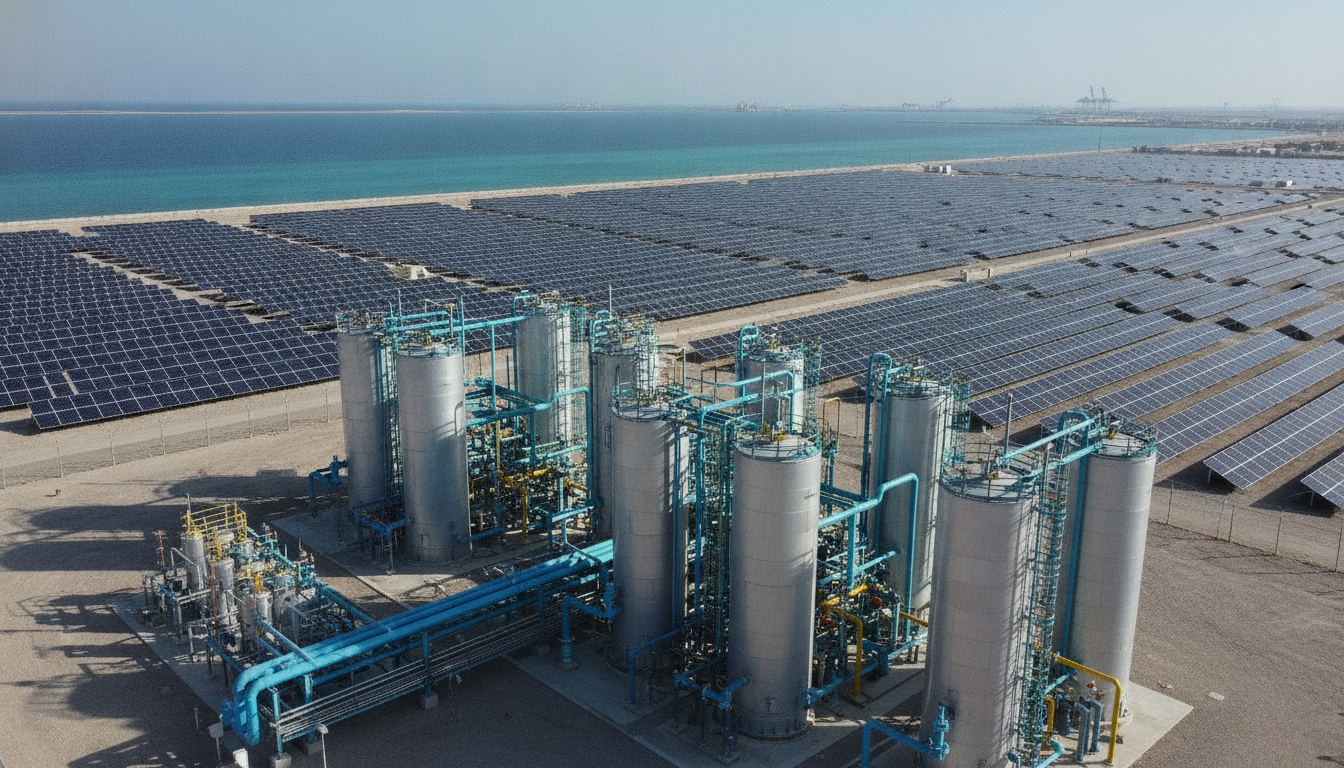
The UAE is on track to have among the world’s lowest hydrogen and ammonia production costs by 2030, according to a report from the Abu Dhabi Chamber of Commerce and Industry (ADCCI) released on 5 August. Abu Dhabi has set a target of producing 1.4 million tonnes a year of low-carbon hydrogen by 2031.
The report, Abu Dhabi’s Positioning in the Hydrogen Economy, was produced by the Chamber’s Business Intelligence Department. It finds the UAE benefits from abundant solar resources, efficient electricity infrastructure, strong industrial capabilities and a low cost of capital. That combination supports a role as a supplier to early demand centres including the European Union, Japan and South Korea.
The findings arrive as policy uncertainty slows hydrogen programmes in several markets. The Chamber argues Abu Dhabi is moving in the opposite direction, from policy commitments to operational projects.
The report identifies hydrogen derivatives, including green ammonia, methanol, synthetic fuels and sustainable aviation fuel, as the most commercially viable near-term opportunity. Abu Dhabi projects in development span methanol and sustainable aviation fuel made with green hydrogen and captured CO2, e-methane production and bunkering infrastructure, and green ammonia.
Securing customers remains the sector’s central constraint. Around 12% of low-carbon hydrogen projects worldwide have confirmed offtakers, the report notes. Abu Dhabi’s answer is customer-aligned projects: the EMSTEEL and Masdar green steel pilot, the first hydrogen-based steel project in the Middle East and North Africa, is already operational, with offtake agreements signed with Modon and Aldar to supply green steel to construction projects.

The Chamber also points to a near-term trade opening in hydrogen equipment. It estimates export potential by 2029 of around AED 2.3 billion in green hydrogen production equipment, AED 1.2 billion in port infrastructure components and AED 1.3 billion in blending projects, with KEZAD’s industrial zones and Khalifa Port serving as the manufacturing and re-export base. In 2023, ADNOC, John Cockerill Hydrogen and Strata Manufacturing agreed to produce electrolysers in the UAE for domestic use and export, a regional first.
For UAE climate tech investors, the report frames hydrogen less as a single export commodity and more as a value chain, with derivatives, equipment manufacturing and anchored domestic offtake carrying the sector until international demand matures.

