

 6:10 pm - November 22, 2026

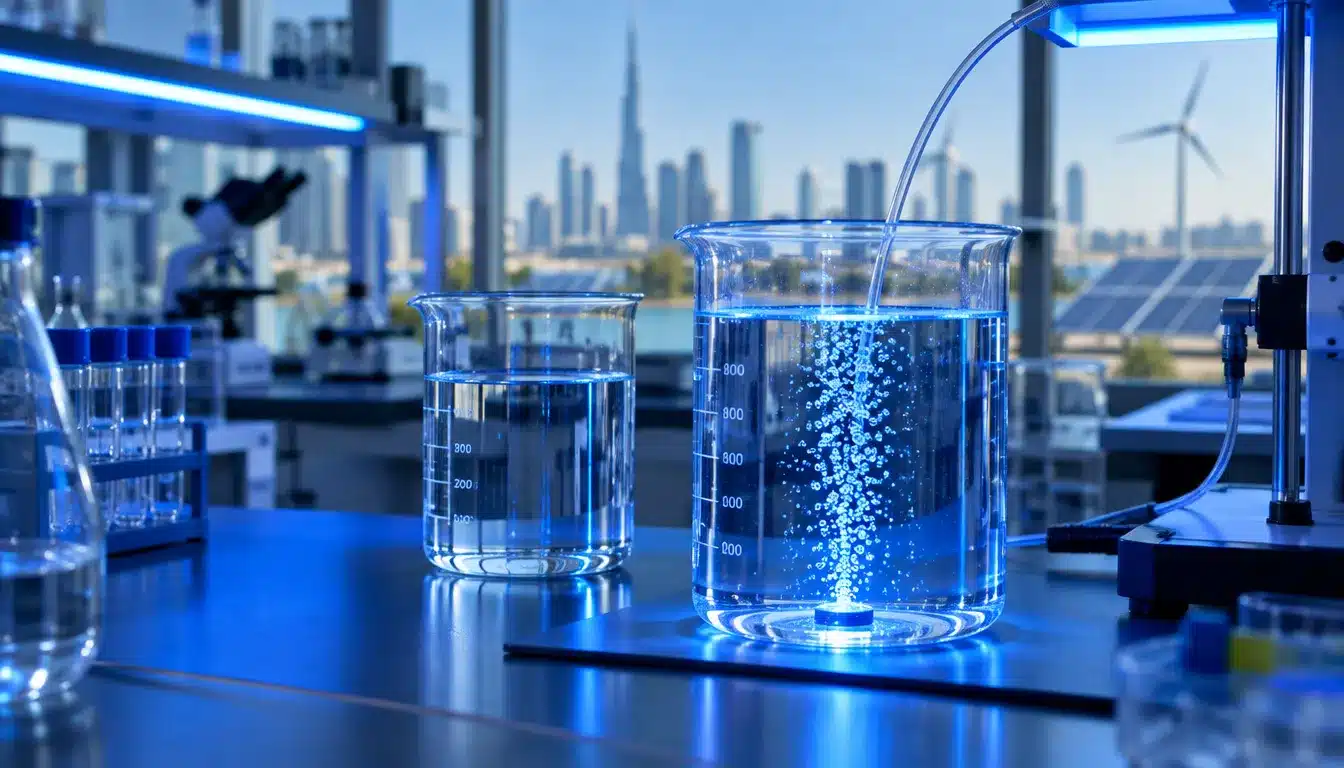
A UAE University photocatalyst removed more than 98% of an antibiotic from water in 90 minutes under LED light, while producing hydrogen at five times the rate of its separate components.
UAE University researchers have developed a light-activated catalyst that strips antibiotic residues from water and produces hydrogen, a clean fuel. The UAE University photocatalyst, reported this week, forms part of a project titled From Polluted Water to Clean Energy.
In experiments, the catalyst removed more than 98% of the antibiotic ciprofloxacin within 90 minutes under visible light from LED lamps. It converted 88% of the drug into harmless products. It also produced hydrogen at five times the rate recorded when either of its two main components works alone.
The project targets antibiotic residues that remain in wastewater. These residues cause environmental harm and add to the spread of antibiotic resistance in bacteria. The team uses light to break the pollutants down, and the same technology generates hydrogen.
The UAE University photocatalyst combines manganese dioxide with zinc sulfide and indium. The researchers then treated the surface of the first material with phosphate. That step improved how the photocatalyst responds to light and raised its efficiency at both removing pollutants and making hydrogen.
The catalyst works by using light to generate electrical charges that drive chemical reactions. These charges usually recombine quickly, which wastes them. The phosphate treatment keeps them apart for longer, so more of the charge goes into breaking down pollutants and producing fuel.

The team includes researchers from the College of Engineering at UAE University and from Abu Dhabi Polytechnic, along with a PhD student at the college who works under a supervising professor. All tests used visible-light lamps. The researchers describe the results as a step towards technology that could one day use sunlight to treat polluted water and produce renewable energy. No pilot plant or commercial partner has been reported.
The work adds to a growing body of UAE water research, including ceramic desalination membranes built to last 20 years. For utilities and wastewater operators, the result is early laboratory evidence that one UAE University photocatalyst could treat pollutants and generate clean fuel in the same process. The report gives no data on scale-up, durability or cost.

